
Orlando Anxiety Counseling & Therapy Services in Clermont, Southwest Orlando, East Orlando, Lake Mary, and Winter Park Florida
Anxiety or Trauma Healing is Just a Few Sessions Away
Our trauma therapists are specialists, offering a full range of anxiety counseling services for Children, Teenagers, Adolescents, and Adults and our patients often start feeling better right after the first session. Effective treatment for anxiety disorders includes Emotion Freedom Techniques (EFT), Eye Movement Desensitization Reprocessing (EMDR), Cognitive Behavioral Therapy (CBT), Dialectical Behavioral Therapy (DBT) and Exposure Based Behavioral Therapy. Our offices are conveniently located in the Central Florida area including: Southwest Orlando, East Orlando, Lake Mary, and Winter Park Florida.
Our TLC Experts on Anxiety
Orlando & Child Anxiety Counselor Back to School Tips
Tips if you are Anxious about Going to Counseling for the First Time?
Orlando Child Teen Therapist on 7 Test Anxiety Tips
Foods with Serotonin for Increased Mood & Motivation


In This Section
Explore Total Life’s Anxiety Counseling Services

Anxiety Disorders
Learn about Anxiety Disorders and their different forms.

Getting Help
Which Anxiety Therapy or Counseling is Right for Me?

Anxiety Symptoms
Symptoms & diagnostic criteria for generalized anxiety disorder.

Articles & Tips
Read Anxiety articles and tips written by Total Life Expert Counselors.

Meet Our Counselors
Meet Total Life’s Anxiety Stress Experts
Call for a Complimentary Phone Consultation with a Trauma Specialist
At TLC, we take the guesswork out of finding the right counselor. Our counselors are subject matter specialists and we link you to the therapist that best fits your concerns. Get started today with a complimentary 15 minute consult:
Anxiety
The Unseen Monster
by Evelyn Wenzel, LCSW
Does it seem like an unseen monster lurks around the corner? Does fear and worry weigh you down? Frustrated because you feeling like nothing will ever change? Everyone experiences anxiety as it is a normal response to threatening situations; however, for some people it becomes a disabling response to life. Irrational responses to everyday situations seem to cripple the 40 million Americans who suffer from anxiety disorder each year. In fact more people suffer from anxiety than depression! What differentiates everyday anxiety from an anxiety disorder? The key words with everyday anxiety are appropriate and reasonable. “Butterflies” in the stomach is a common physiological response when someone experiences anxiety before giving a speech or entering a competition. If a burglar tries to break into your house, fear is a normal response to the situation. So challenges in life that involve lose or failure, and unexpected or unknown situations all cause normative anxiety responses.
Anxiety disorders
Anxiety disorders involve a much more intense response, last a lot longer after the stress situation concludes, and disrupts normal functioning. Anxiety disorders often lead to secondary issues such as low self-esteem, impaired relationships, substance abuse, and depression.
Six anxiety disorders are as follows:
- Generalized Anxiety Disorder (GAD)
- Specific Phobia
- Social Anxiety Disorder
- Obsessive-Compulsive Disorder (OCD)
- Panic Disorder
- Post-Traumatic Stress Disorder (PTSD)
Despite their different forms, these disorders all are neurobiological in nature. Anxiety negatively impacts lives and involves persistent, intense, all-consuming fears or worries. People who suffer from anxiety look for emotional escape and avoidance, which leads them to become observers of their existence rather than participants in life. Specific phobias involve avoiding particular types of objects or situations. Heights, flying, driving, elevators, dental or medical procedures, and animals are all common objects or situations that can cause irrational fear and anxiety.
Obsessive Compulsive Disorder (OCD):
OCD is characterized by obsessions and compulsions that interrupt normal routines, relationships, and daily functioning. Obsessions are unwanted thoughts, impulses, or ideas that intrude upon a person’s thinking and create increased worry or anxiety. Compulsions are responses to those obsessive thoughts and are done to relieve or prevent the anxiety. PTSD often develops after a traumatic event where a person’s safety or life is threatened or where he/she has witnessed a traumatic event. Even months after the event occurred, people experiencing PTSD have trouble coping with the disabling psychological symptoms created by the event. Social anxiety is one of the most common types of anxiety and is marked by an extreme fear of being embarrassed in a social setting. People are often concerned with being judged or humiliated publicly. The most common type of social anxiety disorder is performance anxiety, such as public speaking. Panic disorder seems to occur without any apparent cause and is characterized by an episode of apprehension and intense fear.
Panic:
Often when someone first experiences Panic Disorder they believe that they are experiencing a heart attack! There physical response to fear is so intense that they experience chest pain, dizziness and shortness of breath. People who suffer from GAD worry excessively about everyday things, such as health issues, work, money, and relationship problems. Many people suffer in silence from this unseen monster and never seek treatment because they don’t believe their live can be any different. Despite the toll it takes on your life, the good news is that anxiety disorders are highly treatable!

Anxiety or Trauma healing is just a few sessions away. Our trauma therapists are specialists and you can start feeling better often right after the first session.
Getting Help
Which Anxiety Therapy or Counseling is Right for Me?
“Anxiety or Trauma healing is just a few sessions away.” Our trauma therapists are specialists and you can start feeling better often right after the first session. Effective treatment for anxiety disorders includes Emotion Freedom Techniques (EFT), Eye Movement Desensitization Reprocessing (EMDR), Cognitive Behavioral Therapy (CBT), Dialectical Behavioral Therapy (DBT) and Exposure Based Behavioral Therapy. Call for a Complimentary Phone Consultation with a Trauma Specialist to find out which of the below therapies is best for you!
- EFT – Emotion Freedom Techniques is a very effective short term therapy used in helping people be free from the intense feelings of trauma. This technique is used in addictions treatments as well and in many cases more effective than 12 step programs!
- EMDR – Eye Movement Desensitization Reprocessing is used also for Military Veterans and highly successful in freeing them from the intense trauma they have endured in war and used for auto accidents, dog bites, substance abuse, addictions and more! Read More
- CBT – Cognitive Behavioral Therapy helps people change their thinking patterns and the way they react to anxiety provoking situations.
- Rapid Resolution Trauma Therapy is a method of therapy that pinpoints and addresses an inner issue through clinical hypnosis. Similar to traditional hypnosis the counselor guides the client through their sub-conscious to find the root of their issues. Depending on the issue at hand the counselor will guide each client differently. Rapid Resolution Therapy is the quickest form of therapy for those trying to move on from traumatic events.
- DBT – Dialectical Behavioral Therapy targets skills deficits as well as the cognitive beliefs that maintain the avoidance. The ultimate goal is for you to learn more strategic behavior skills that once acceptance of those feelings occur. Both CBT and DBT incorporate relaxation and stress reduction techniques into their treatment of anxiety. Often they both make use of exposure therapy.
- Exposure Therapy gradually acclimates a person to situations that previously triggered anxiety. This desensitization process helps people confront their fears in a controlled environment. Once phobias are no longer “rewarded” by escape and avoidance, they tend to diminish and fade away.
- Wellness & Supplements: Interestingly, twenty minutes of aerobic exercise per day is thought to be an effective weapon against anxiety. Good nutrition is essential and adding supplements such as B Vitamins, calcium, amino acids, and Vitamin C may be important but the quality of the supplements are paramount. We can direct you to the right health food stores to get the right brands that often work immediately. Caffeine and cigarettes aggravate anxiety and should be eliminated or decreased. Often with your treatment for anxiety the cravings to smoke or drink caffeine are reduced considerably.
Don’t let anxiety rule your life. Get into therapy, exercise, eat right and experience life to its fullest!
Are you interested in learning how to modify your diet and learn more about supplements to help you overcome your anxiety? At TLC because we look at the whole person, clients experience symptom relief sooner by incorporating exercise, dietary adjustments, supplements along with cognitive behavioral therapy. Serving the Southwest, Metro West, East Orlando, Winter Park, Clermont and Central Florida area for anxiety disorder and anxiety therapy.
Breaking Free From Obsessions
“I don’t believe life can be any different. I’m ready to give up I’ve been fighting this thing so long. Do you really think things can change?”
OCD Therapy
Breaking Free From Obsessions
“I don’t believe life can be any different. I’m ready to give up I’ve been fighting this thing so long. Do you really think things can change?” These are statements that I often hear when a client first comes to talk about their Obsessive Compulsive Disorder (OCD). Change absolutely is possible!
Cognitive behavioral therapy or CBT
CBT is an extremely effective treatment against the brain tricks of OCD. In fact it is considered the “gold standard” for treating obsessive compulsive disorder, as well as other anxiety disorders. Despite the high success rate using this therapy method, very few therapists receive training in this method. Additionally, 2 studies showed Cognitive Behavioral Therapy more effective than anti-depressants like Prozac, Zoloft or Paxil!
Cognitive behavioral therapists
See children, teens, and adults emerge from their urgent needs to engage in compulsions and rituals to reduce their anxieties. In actively confronting and engaging their obsessions and compulsions as much as possible during therapy and then at home, people are able to free themselves from their previous thought patterns. However, it is not stopping the rituals, but learning how to restructure their thoughts and beliefs about their obsessions that makes the difference.
If you or someone you know struggles with Anxiety or (OCD), contact us at (407) 248-0030 for more information about cognitive behavioral treatment.

Anxiety Symptoms
Diagnostic Criteria for Generalized Anxiety Disorder
A. Excessive anxiety and worry (apprehensive expectation), occurring more days than not for at least 6 months, about a number of events or activities (such as work or school performance).
B. The person finds it difficult to control the worry.
C. The anxiety and worry are associated with three (or more) of the following six symptoms (with at least some symptoms present for more days than not for the past 6 months). Note: Only one item is required in children.
- restlessness or feeling keyed up or on edge
- being easily fatigued
- difficulty concentrating or mind going blank
- irritability
- muscle tension
- sleep disturbance (difficulty falling or staying asleep, or restless unsatisfying sleep)
D. The focus of the anxiety and worry is not confined to features of an Axis I disorder, e.g., the anxiety or worry is not about having a Panic Attack (as in a Panic Disorder), being embarrassed in public (as in Social Phobia), being contaminated (as in Obsessive-Compulsive Disorder), being away from home or close relatives (as in Separation Anxiety Disorder), gaining weight (as in Anorexia Nervosa), having multiple physical complaints (as in Somatization Disorder), or having a serious illness (as in Hypochondriasis), and the anxiety and worry do not occur exclusively during Post Traumatic Stress Disorder.
E. The anxiety, worry, or physical symptoms cause clinically significant distress or impairment in social, occupational, or other important areas of functioning.
F. The disturbance is not due to the direct physiological effects of a substance (e.g., a drug of abuse, a medication) or a general medical condition (e.g., hyperthyroidism) and does not occur exclusively during a Mood Disorder, a Psychotic Disorder, or a Pervasive Developmental Disorder.
Diagnostic Features
- The essential feature of Generalized Anxiety Disorder is excessive anxiety and worry (apprehensive expectation), occurring more days than not for a period of at least 6 months, about a number of events or activities (Criterion A).
- The individual finds it difficult to control the worry (Criterion B).
- The anxiety and worry are accompanied by at least three additional symptoms from a list that includes restlessness, being easily fatigued, difficulty concentrating, irritability, muscle tension, and disturbed sleep (only one additional symptom is required in children) (Criterion C).
- The focus of the anxiety and worry is not confined to features of another Axis I disorder such as having a Panic Attack (as in Panic Disorder), being embarrassed in public (as in Social Phobia), being contaminated (as in Obsessive-Compulsive Disorder), being away from home or close relatives (as in Separation Anxiety Disorder), gaining weight (as in Anorexia Nervosa), having multiple physical complaints (as in Somatization Disorder), or having a serious illness (as in Hypochondriasis), and the anxiety and worry do not occur exclusively during Post Traumatic Stress Disorder (Criterion D).
- Although individuals with Generalized Anxiety Disorder may not always identify the worries as “excessive,” they report subjective distress due to constant worry, have difficulty controlling the worry, or experience relatedimpairment in social, occupational, or other important areas of functioning (Criterion E).
- The disturbance is not due to the direct physiological effects of a substance (i.e., a drug of abuse, a medication, or toxin exposure) or a general medical condition and does not occur exclusively during a Mood Disorder, a Psychotic Disorder, or a Pervasive Developmental Disorder (Criterion F).
- The intensity, duration, or frequency of the anxiety and worry is far out of proportion to the actual likelihood or impact of the feared event. The person finds it difficult to keep worrisome thoughts from interfering with attention to tasks at hand and has difficulty stopping the worry. Adults with Generalized Anxiety Disorder often worry about everyday, routine life circumstances such aspossible job responsibilities, finances, the health of family members, misfortune to their children, or minor matters (such as household chores, car repairs, or being late for appointments). Children with Generalized Anxiety Disorder tend to worry excessively about their competence or the quality of their performance. During the course of the disorder, the focus of worry may shift from one concern to another.
Prevalence
In a community sample, the 1-year prevalence rate for Generalized Anxiety Disorder was approximately 3% and the lifetime prevalence rate was 5%. In anxiety disorder clinics, approximately 12% of the individuals present with Generalized Anxiety Disorder.
Course
Many individuals with Generalized Anxiety Disorder report that they have felt anxious and nervous all of their lives. Although over half of those presenting for treatment report onset in childhood or adolescence, onset occurring after age 20 years is not uncommon. The course is chronic but fluctuating and often worsens during times of stress.
Total Life Blog
Articles & Tips From TLC Anxiety Therapists






Licensed Anxiety Counselors & Therapists
Meet Our Team of Certified & Experienced Professionals
Total Life Counseling Center consists of Licensed Counselors, Masters Level Therapists, Espanol Counselors, Licensed Mental Health Counselors, Business Coaches, Image Enhancement Coaches who provide counseling for emotional, mental, physical and spiritual care including marriage, individual, family, substance abuse and more.

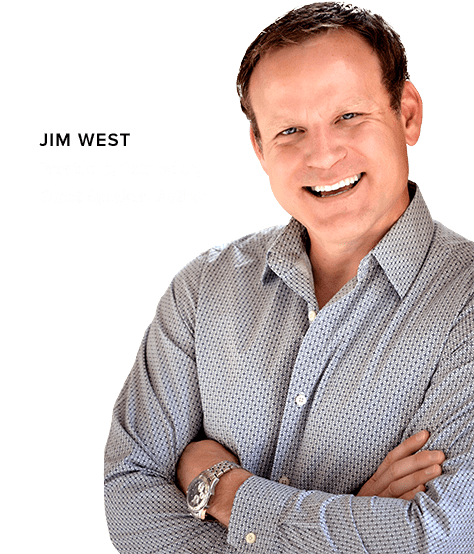
Jim West
MA, LMHC, NCC
President, Counselor, Guest Speaker, Author, Social Skills, ADHD, ODD, ASD, children, teens, more

Dana West
MSW, LCSW
Vice President, Counselor, Guest Speaker, Addictions, Trauma, Couples, Abuse, more

Dr. Jada Jackson
Ed.D, LMHC, NCC
Counselor, Coach, Guest Speaker, National TV Host, Self-Esteem, Sports Therapy, Teens, Couples.. more

Mathew Martin
MS, LMHCC
Counselor, Coach, Guest Speaker, Marriage, Individual Males, Substance Abuse.. more

Lyris Steuber
MS, LMFT
Counselor, Coach, Marriage & Family, Play Therapy, Divorce, Adolescent.. more