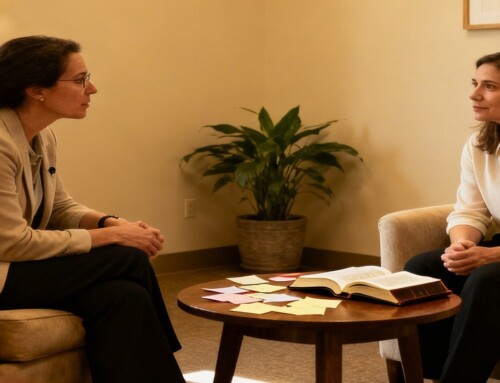

How Counseling for Life Transitions Can Help You Thrive?

Key Highlights
- Life transitions can disrupt routine, identity, and emotional balance, even when the change is positive or chosen
- Feeling overwhelmed during change is a normal response, not a personal failure
- Life transition therapy focuses on present challenges and practical adjustment, not just long-term emotional history
- Counseling helps process emotions, reduce stress, and build coping skills during periods of uncertainty
- Evidence-based techniques like CBT, mindfulness, and solution-focused therapy support healthier adaptation
- Seeking support early can prevent emotional strain from becoming long-term distress
- Total Life Counseling offers experienced, compassionate support to help individuals, couples, and families navigate life transitions with clarity and confidence
Change can be hard, even when it is something you chose. Career shifts, relationship changes, relocation, loss, or new responsibilities can leave you feeling unsteady, overwhelmed, or unsure of yourself. It is common to wonder why something that feels normal can also feel so emotionally heavy.
You do not have to work through these feelings alone. Therapy offers a supportive space to slow down, understand what you are experiencing, and regain a sense of stability during uncertain times. With compassionate guidance, transitions can become moments of reflection and growth instead of pressure to cope perfectly.
In this blog, we will explore why life changes affect us so deeply and how professional support can help you move forward with care and confidence.
What Are Life Transitions and the Most Common Types People Experience?
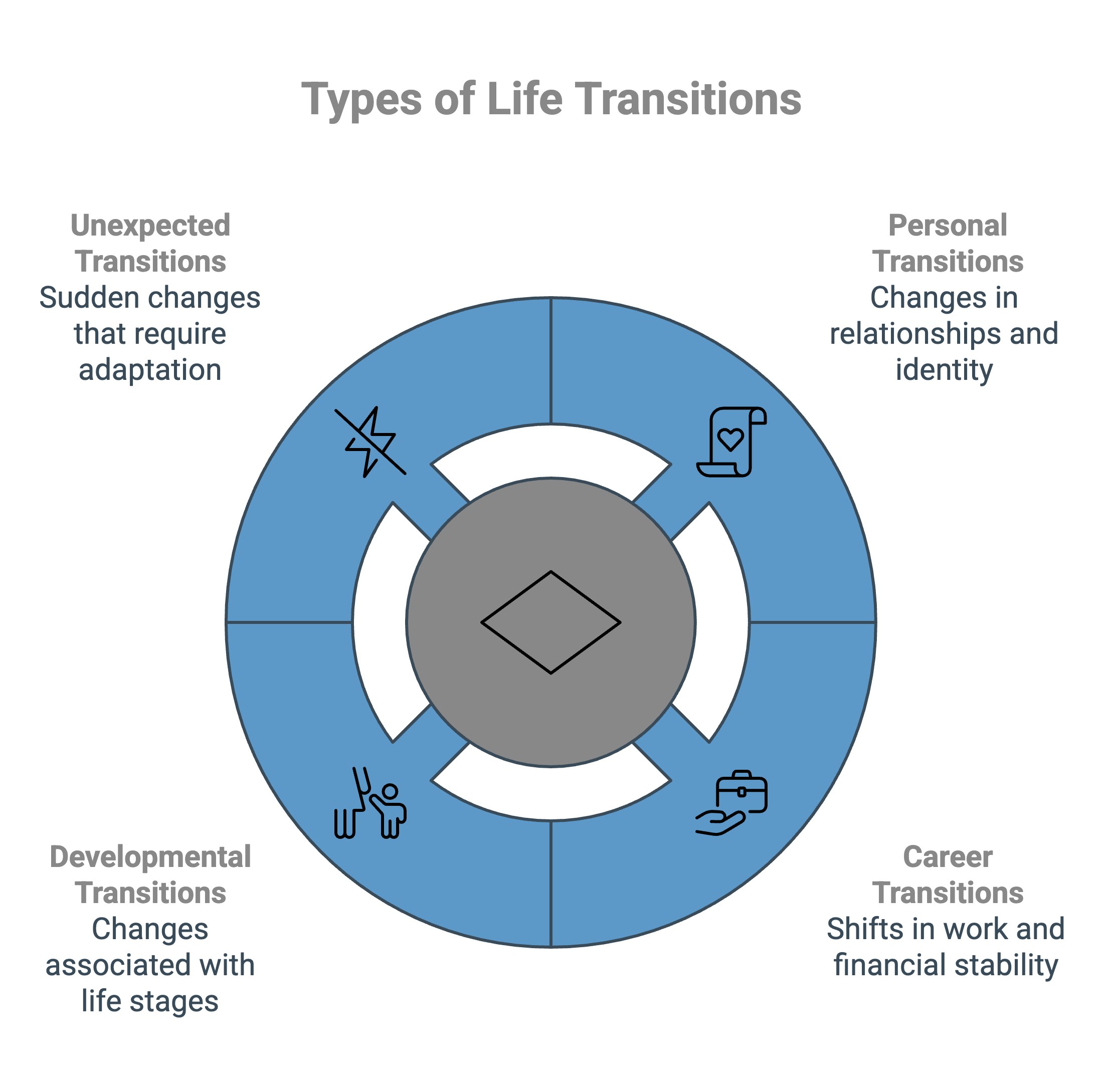
Life transitions are significant changes that affect your routine, roles, or sense of identity. They can be personal, like marriage or loss, or professional, such as starting a new job or changing careers.
Some transitions happen gradually, while others arrive unexpectedly. Either way, they require emotional and practical adjustment. Recognizing these changes as a normal part of life can help you respond with greater clarity, build coping skills, and move through uncertainty with more confidence. Here are some common types of life transitions people experience:
- Personal life transitions such as marriage, divorce, parenthood, children leaving home, or loss, which often affect identity and relationships
- Career and financial transitions, including job changes, career shifts, retirement, or financial uncertainty, can impact confidence and routine
- Developmental transitions tied to life stages like early adulthood, midlife changes, or aging, even when these shifts are expected
- Unexpected or situational transitions, such as relocation, health changes, or caregiving responsibilities, that may feel overwhelming due toa lack of preparation
Each type of transition brings its own challenges, and recognizing what you are going through is an important step toward responding with clarity and support rather than self-judgment.
What Are the Positive and Negative Impacts of Life Transitions?
Life transitions can bring a mix of emotional challenges and personal growth. While change often feels uncomfortable, it can also open the door to new perspectives and opportunities. Understanding both sides helps you approach transitions with balance and self-awareness.
| Negative Impacts of Life Transitions | Positive Impacts of Life Transitions |
|---|---|
| Increased stress, anxiety, or emotional overwhelm due to uncertainty | Personal growth through greater self-awareness and emotional resilience |
| Feelings of loss, grief, or instability as routines and roles change | Opportunities to redefine goals, values, and priorities |
| Self-doubt or fear of the unknown, especially during major life decisions | Stronger emotional coping skills developed through adaptation |
| Temporary disruption to sleep, focus, or emotional regulation | A renewed sense of purpose or direction once the transition stabilizes |
Acknowledging both the positive and negative effects of life transitions allows you to respond with realism and compassion. Change does not have to be viewed as only difficult or only rewarding; it is often both at the same time.
How Can You Overcome Life Transitions More Effectively?
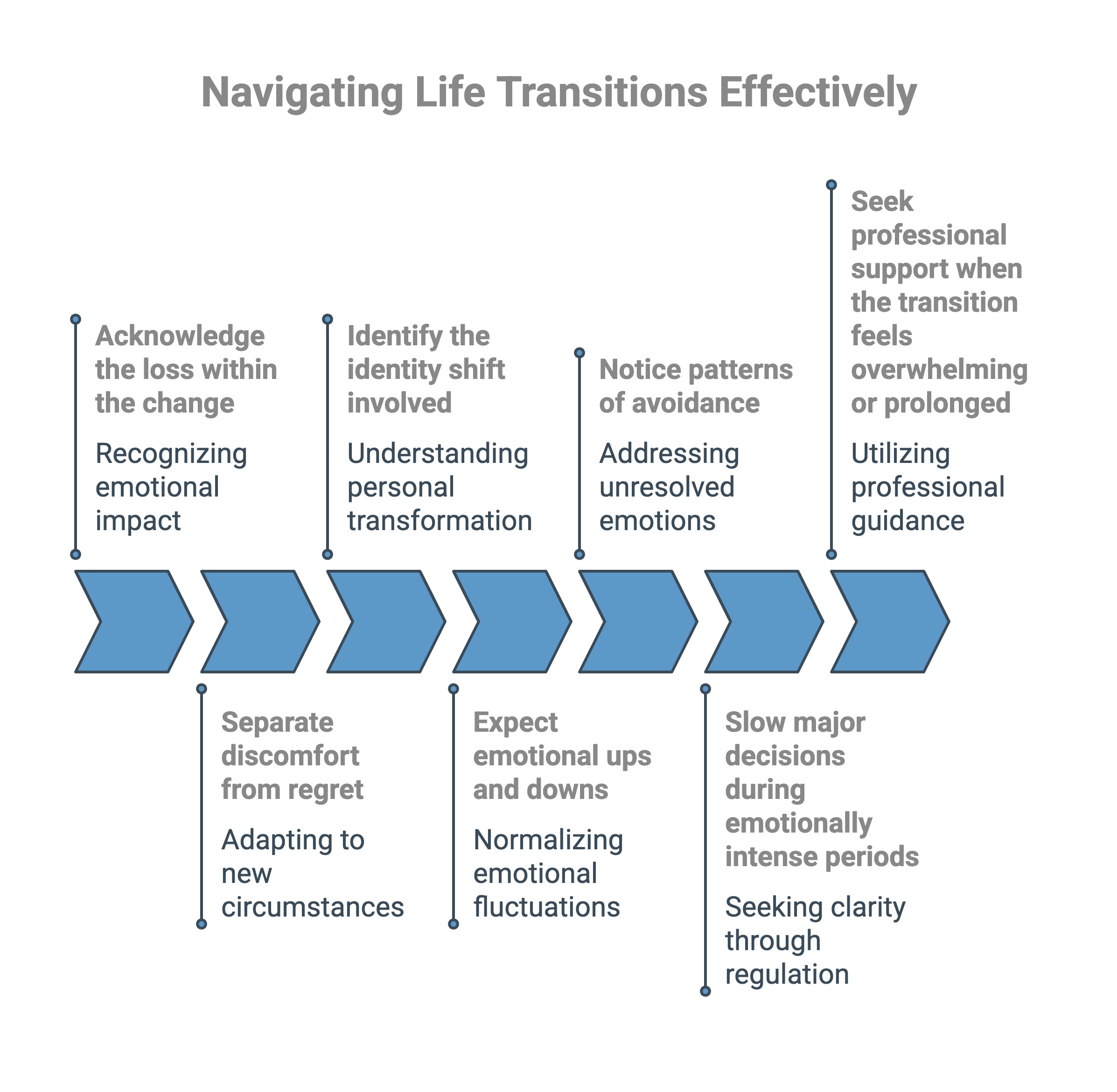
When life changes, the hardest part is often what happens internally. These strategies focus on understanding and working through transition, not just pushing past it.
- Acknowledge the loss within the change, even when the transition is positive. Unprocessed loss often keeps people emotionally stuck.
- Separate discomfort from regret. Feeling unsettled does not mean you made the wrong decision; it often means you are adapting.
- Identify the identity shift involved. Many transitions challenge who you are, not just your circumstances. Naming this reduces confusion and self-doubt.
- Expect emotional ups and downs. Mixed emotions are a normal part of adjustment, not a sign of failure.
- Notice patterns of avoidance. Overworking, withdrawing, or constant distraction often signal unresolved emotions.
- Slow major decisions during emotionally intense periods. Clarity tends to follow regulation, not urgency.
- Seek professional support when the transition feels overwhelming or prolonged. Total Life Counseling provides structured support, perspective, and therapeutic tools that help you move through life transitions with clarity rather than just short-term coping.
Now, let’s look at what life transition counseling is and how it supports people through periods of change.
What Is Life Transition Therapy?
Life transition therapy is a focused form of therapy designed to support you through specific, meaningful life changes. Rather than addressing long-standing concerns alone, it concentrates on the emotional and practical challenges that arise during new situations such as relocation, career changes, divorce, or major role shifts.
This approach provides a safe, supportive space to process change while offering clear guidance on how to navigate major life transitions with therapy.
Through targeted therapeutic techniques, a counselor helps you reduce stress, build resilience, and adapt to new circumstances with greater confidence and emotional stability.
Who Can Benefit from Life Transition Therapy?
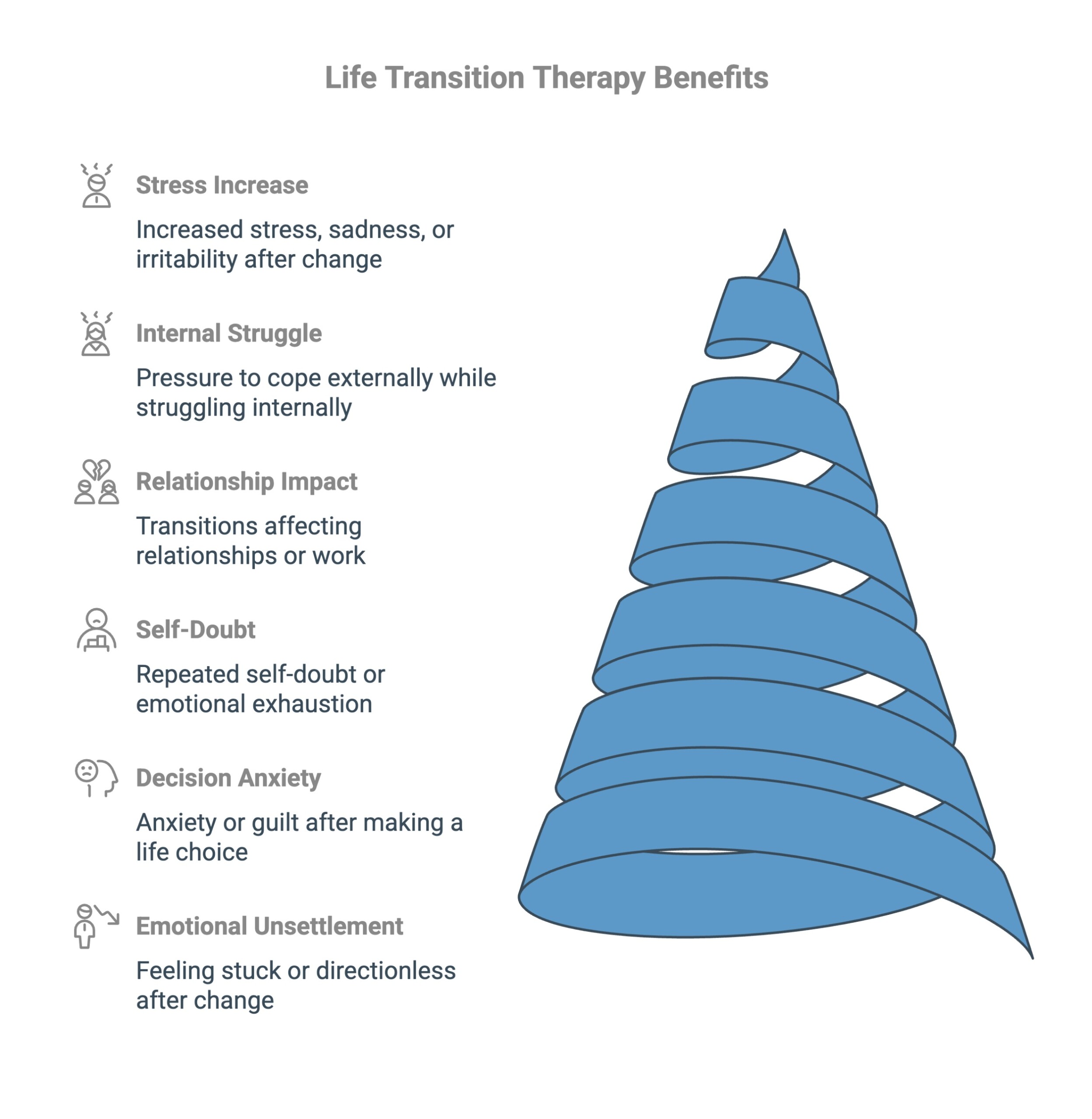
Life transition counseling is especially helpful when change feels emotionally heavier than expected or when adjustment is not happening on its own. It is not about the size of the event, but about how deeply it is affecting you.
Life transition counseling may be especially supportive if you are experiencing any of the following:
- Feeling stuck or emotionally unsettled long after a change
You may feel unable to move forward even months after a transition, with a lingering sense of uncertainty, restlessness, or emotional heaviness that does not resolve on its own.
- Lingering anxiety after making the “right” decision
Even when a decision makes logical sense, you may still feel guilt, fear, or second-guessing. Counseling helps untangle emotional responses from rational choices.
- Chronic overthinking and emotional exhaustion
Replaying scenarios, questioning yourself repeatedly, or feeling mentally drained are signs that your nervous system may be struggling to adapt to change.
- Impact on relationships, work, or daily functioning
Transitions often spill into other areas of life, affecting communication, focus, motivation, or performance. Counseling helps restore balance across these areas.
- Pressure to appear fine while struggling internally
Many people feel the need to “handle it well” externally while experiencing inner distress. Counseling provides a private space to process what you are really feeling.
- Noticeable shifts in mood or emotional regulation
Increased stress, irritability, sadness, or emotional reactivity after a change can indicate that the transition is affecting your sense of stability or identity.
If a life transition is disrupting your emotional balance, reach out for support. Total Life Counseling can help you regain clarity, stability, and confidence through compassionate, professional counseling.
How Is Life Transition Counseling Different From Traditional Therapy?
Before choosing support, it helps to understand how different therapeutic approaches work during times of change. Both counseling and traditional therapy offer emotional guidance, but they differ in focus, structure, and goals, especially when navigating life changes.
| Aspect | Life Transition Counseling | Traditional Therapy |
|---|---|---|
| Primary focus | Supporting adjustment to a specific life change or transition | Addressing broader emotional or psychological concerns |
| Time frame | Typically short to medium term | Can be short-term or long-term |
| Focus of sessions | Present challenges, emotional responses, and coping strategies | Past experiences, emotional patterns, and deeper issues |
| Goal orientation | Practical, goal-focused, and solution-oriented | Insight-driven with gradual emotional processing |
| Best suited for | Career shifts, relationship changes, relocation, or major life decisions | Ongoing mental health concerns or long-standing emotional challenges |
| Outcome emphasis | Regaining clarity, stability, and confidence during change | Long-term emotional growth and healing |
Both approaches offer valuable support. The right choice depends on whether your primary need is help navigating a current transition or addressing deeper emotional concerns alongside life changes.
What Are the Benefits of Counseling for Life Transitions?
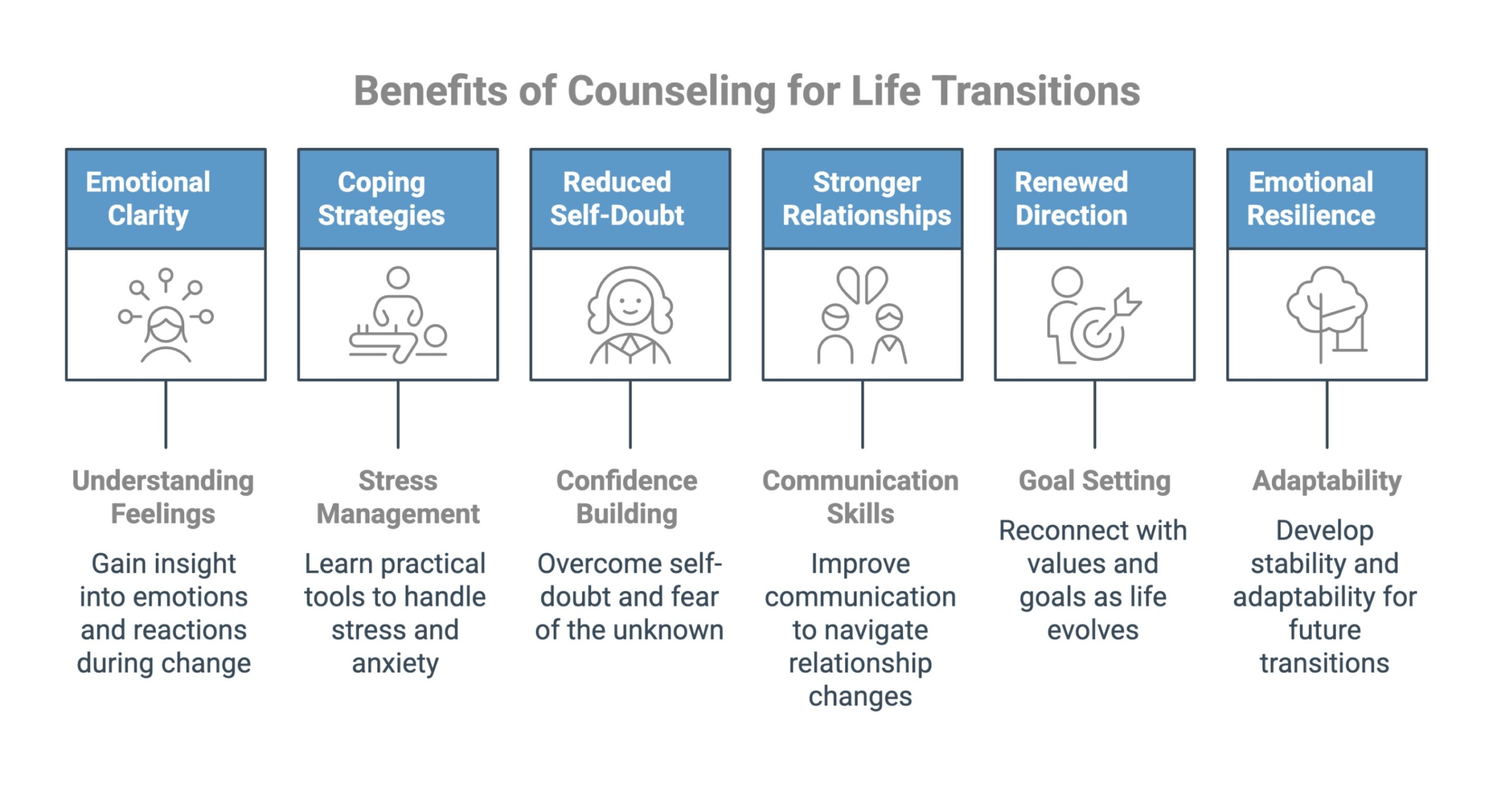
Life changes can leave you feeling uncertain, emotionally overwhelmed, or disconnected from your sense of direction. Counseling offers a supportive space to process these shifts and regain balance. Here are some key benefits of counseling for life transitions:
- Greater emotional clarity: Understand your emotions and reactions instead of feeling stuck in confusion or overwhelm.
- Healthier coping strategies: Learn practical tools to manage stress, anxiety, and emotional ups and downs during change.
- Reduced self-doubt and overthinking: Build confidence in your decisions and ease the fear of the unknown.
- Stronger relationships: Navigate transitions that affect family, partners, or work dynamics with better communication.
- Renewed sense of direction: Reconnect with your values and goals as your life circumstances evolve.
- Long-term emotional resilience: Develop stability and adaptability so future transitions feel more manageable.
Counseling does not rush the process. It supports you in moving through change with awareness, clarity, and emotional balance.
What Counseling Techniques Help During Life Transitions?
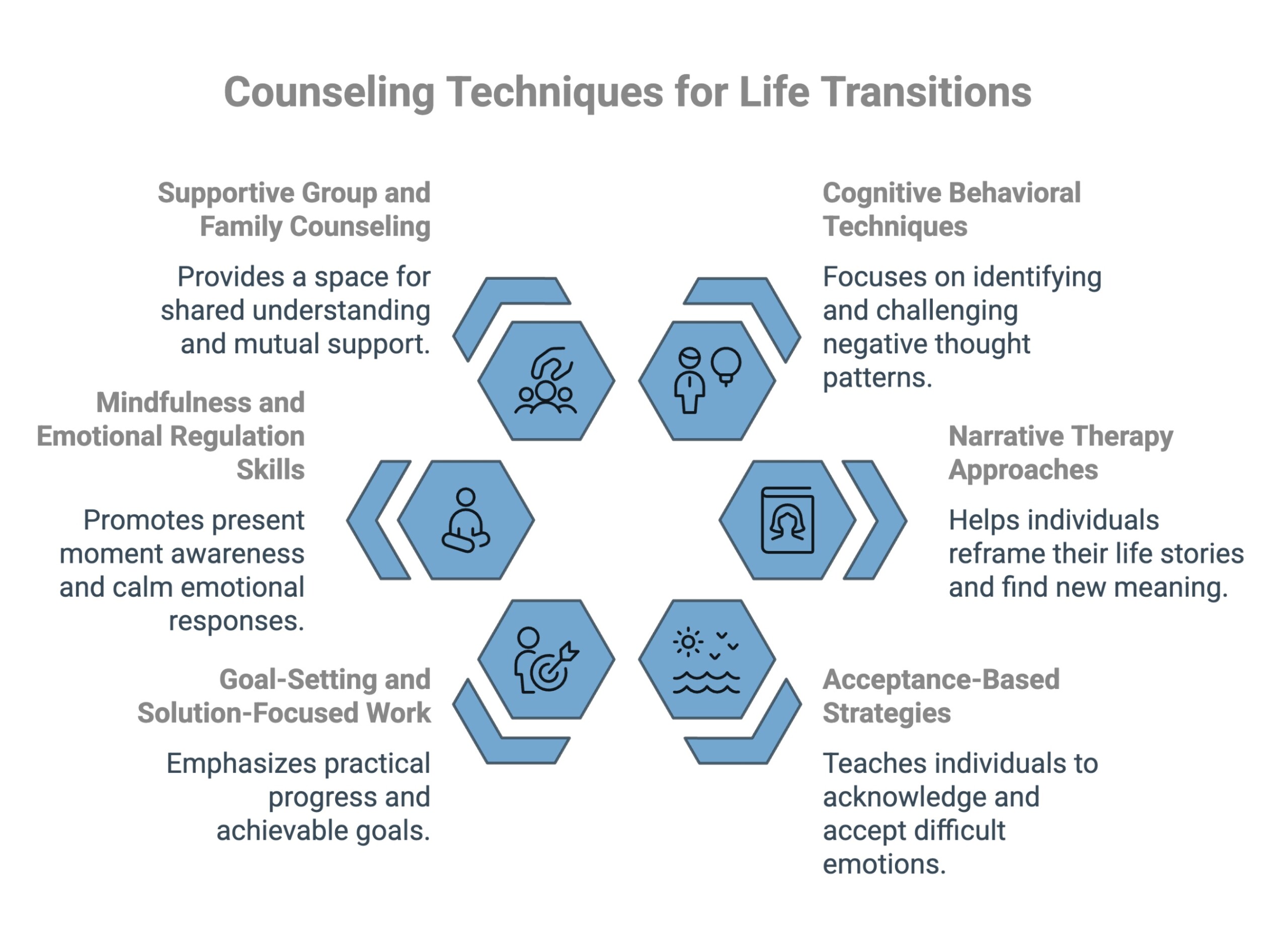
As life changes unfold, having the right tools can make a meaningful difference in how you cope and move forward. Counseling for life transitions focuses on practical, supportive techniques to help you understand your emotions, adapt to new circumstances, and regain stability.
The following approaches are commonly used to support individuals during periods of change.
1. Cognitive Behavioral Techniques
Cognitive Behavioral techniques focus on the connection between thoughts, emotions, and behavior. During life transitions, people often develop negative or fear-based thinking that increases stress and self-doubt.
This approach helps identify those patterns, challenge them, and replace them with more balanced thoughts, leading to improved emotional control and healthier responses to change.
2. Narrative Therapy Approaches
Narrative therapy helps individuals explore how they interpret and describe their life experiences. During transitions, people may feel defined by loss, failure, or uncertainty.
This approach encourages separating personal identity from the problem and reframing the transition as one chapter in a larger life story, allowing for renewed meaning and confidence.
3. Acceptance-Based Strategies
Acceptance-based strategies teach individuals to acknowledge difficult emotions without suppressing or avoiding them. Life transitions often bring discomfort, and resisting those feelings can increase distress. Learning to accept emotional experiences helps reduce internal conflict and builds emotional resilience over time.
4. Goal-Setting and Solution-Focused Work
This technique emphasizes practical progress during times of change. Rather than focusing only on what feels wrong, clients work with a therapist to identify achievable goals and concrete steps forward. Breaking large transitions into smaller actions restores a sense of control and direction.
5. Mindfulness and Emotional Regulation Skills
Mindfulness techniques help individuals stay grounded in the present moment instead of becoming overwhelmed by future uncertainty or past regret. Emotional regulation skills support calmer reactions, improved focus, and better stress management during emotionally intense transitions.
6. Supportive Group and Family Counseling
Group and family counseling recognize that life transitions often affect relationships, not just individuals. These sessions provide a space for shared understanding, open communication, and mutual support. Working together helps strengthen connections and reduces feelings of isolation during periods of change.
If your transition is straining family or close relationships, schedule a family or group counseling session with Total Life Counseling.
What to Expect in a Life Transition Counseling Session?
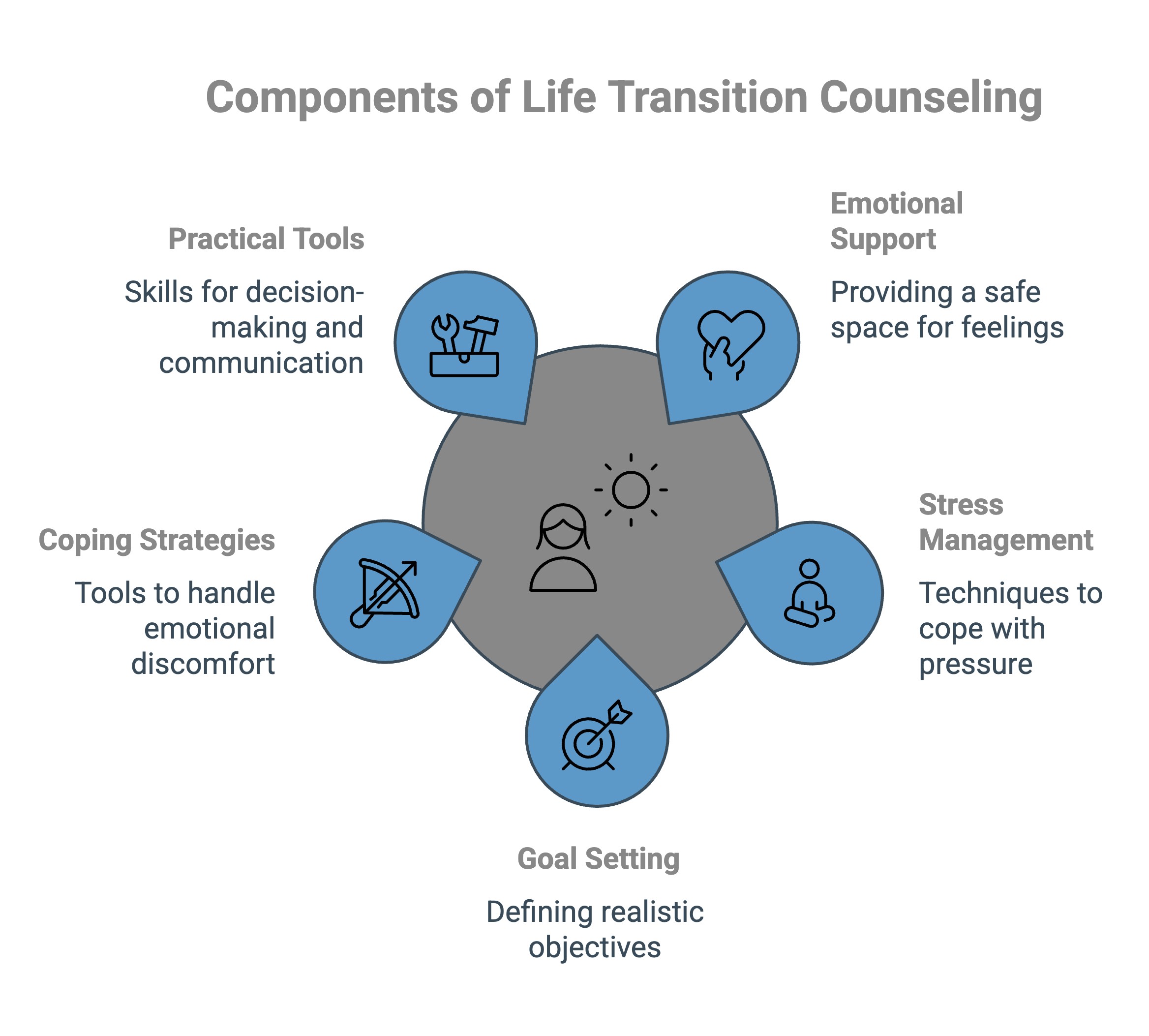
Life transition counseling sessions are supportive and focused on helping you make sense of change without feeling rushed or judged. The goal is to understand your experience, reduce emotional overwhelm, and help you move forward with greater clarity.
- Discussing the life change you are experiencing and how it is affecting your emotions, relationships, and daily routine
- Identifying current stressors, emotional patterns, and areas where you feel stuck or uncertain
- Setting clear, realistic goals based on what you want to improve or understand
- Learning coping strategies to manage stress, anxiety, or emotional discomfort
- Developing practical tools to support decision-making, communication, and adjustment
Each session is collaborative and tailored to your needs. Over time, counseling helps you feel more grounded, confident, and better equipped to navigate the transition at your own pace.
Why Choose Total Life Counseling for Life Transition Counseling?
Navigating a major life change is easier with the right professional support. Total Life Counseling provides experienced, compassionate care to individuals, couples, and families struggling with emotional stress, uncertainty, or adjustment during life transitions.
We offer practical, personalized counseling focused on real-life challenges. Licensed therapists support clients through changes involving relationships, career shifts, family dynamics, anxiety, grief, and identity concerns, helping them regain emotional balance and clarity rather than simply coping.
With multiple locations, flexible in-person and online therapy options, and a broad range of evidence-based approaches, we make professional support accessible and consistent during periods of change. The focus remains on helping clients feel understood, supported, and confident as they move forward.
Final Words
If a life transition feels heavier than you expected, you are not alone. Many people struggle quietly during change, questioning themselves or wondering why moving forward feels so hard. These moments can be isolating, even when everything appears “fine” on the outside.
You deserve support during these periods. Life transition therapy offers a calm, understanding space to sort through emotions, regain clarity, and find your footing again. With guidance and time, transitions become less about simply getting through and more about understanding yourself and moving forward with confidence and intention.
Frequently Asked Questions
What are life transitions, and why do they feel overwhelming?
Life transitions are major changes like job loss, a new career, or moving to a different city. They disrupt daily life, affect sense of identity, and trigger a range of emotions, creating emotional turmoil during challenging times.
What is life transition counseling?
Life transition counseling is a form of therapy service that provides emotional support and a safe space during life’s transitions. It helps people process major life events and adapt to new roles, environments, and responsibilities.
How does counseling specifically help during major life changes?
Counseling offers a supportive environment to build coping mechanisms, address negative thought patterns, and create actionable plans. It plays a crucial role in helping clients move through major change with greater ease.
What therapy techniques work best for coping with life transitions?
Techniques like cognitive behavioral therapy, mindfulness practices, and deep breathing help manage panic attacks, strengthen coping skills, and support emotional regulation, making life transitions therapy a valuable resource during change.
Where can I find a qualified counselor for support with life transitions?
You can search for licensed therapists through reputable mental health clinics, professional directories, or trusted counseling centers. Many people start by looking for life transitions counseling near me to find local or online support that fits their needs.
Which strategic therapy model is about life transitions?
There is no single model only for transitions, but strategic approaches like Cognitive Behavioral Therapy, Acceptance and Commitment Therapy, and solution-focused therapy are commonly used to support adjustment during major life changes.
How does life transition therapy help?
Life transition therapy helps people process emotions, reduce stress, and develop practical coping skills. It supports clarity, resilience, and confidence while adapting to major changes affecting daily life and sense of identity.
What does life transitions mean in therapy?
In therapy, life transitions refer to periods of adjustment following significant changes. The focus is on understanding emotional responses, managing stress, and developing healthier ways to adapt to new circumstances.
What is the FFT model of therapy?
Functional Family Therapy is a short-term, evidence-based model that improves family communication, strengthens relationships, and reduces conflict by addressing interaction patterns rather than focusing on individual problems alone.
Filed in: Counseling
Share This Story, Choose Your Platform!
Total Life Counseling Center consists of Licensed Counselors, masters level therapists, Español counselors, Licensed Mental Health Counselors, business coaches, and image enhancement coaches who provide counseling for emotional, mental, physical and spiritual care including marriage, individual, family, substance abuse and more. TLC’s family, trauma and marriage experts have been interviewed on National and Local TV/Radio over 200 times for their expert advice on Fox News, OWN, WETV, ABC’s Medical Minute and more. Our skilled counselors are relational, approachable and specialists providing therapy services in the Central Florida area including: Orlando, Winter Park, MetroWest, Windermere, Dr. Phillips, East Orlando, Lake Mary, and Clermont, Boca Raton Florida, and Dallas, TX.
About the Author: Jim West