

CBT vs DBT Therapy: Which Method Fits Your Needs?

Key Highlights
- CBT vs. DBT therapy compares two evidence-based approaches that help individuals manage thoughts, emotions, and behaviors affecting daily life and mental well-being.
- Understanding the difference between CBT and DBT can help individuals choose the type of therapy that best supports their emotional needs and treatment goals.
- CBT focuses on identifying negative thought patterns and changing behaviors that contribute to anxiety, depression, and other mental health challenges.
- DBT emphasizes emotional regulation, mindfulness skills, and distress tolerance to help individuals manage strong emotions and improve relationships.
- Both DBT and CBT are effective treatments for a range of mental health conditions and may sometimes be combined in an integrated therapy plan.
- In discussions about DBT vs. CBT for ADHD, CBT often helps with focus and organization, while DBT may support emotional regulation and impulsivity.
- Licensed therapists at Total Life Counseling (TLC) can help determine whether CBT, DBT, or a combination of both approaches is the most supportive treatment option.
Many people begin therapy hoping to better manage their emotions, improve their relationships, or cope with stress, anxiety, or other mental health challenges. However, choosing the right type of therapy can feel confusing when different approaches are recommended.
Two commonly used therapies are Cognitive Behavioral Therapy (CBT) and Dialectical Behavior Therapy (DBT). While these approaches share similar foundations, they focus on different strategies for addressing thoughts, behaviors, and emotional regulation.
This blog explains CBT vs. DBT therapy, including how each approach works, the difference between CBT and DBT, the conditions they commonly treat, and how therapists decide which option may best support an individual’s mental health goals.
What Is Cognitive Behavioral Therapy (CBT)?
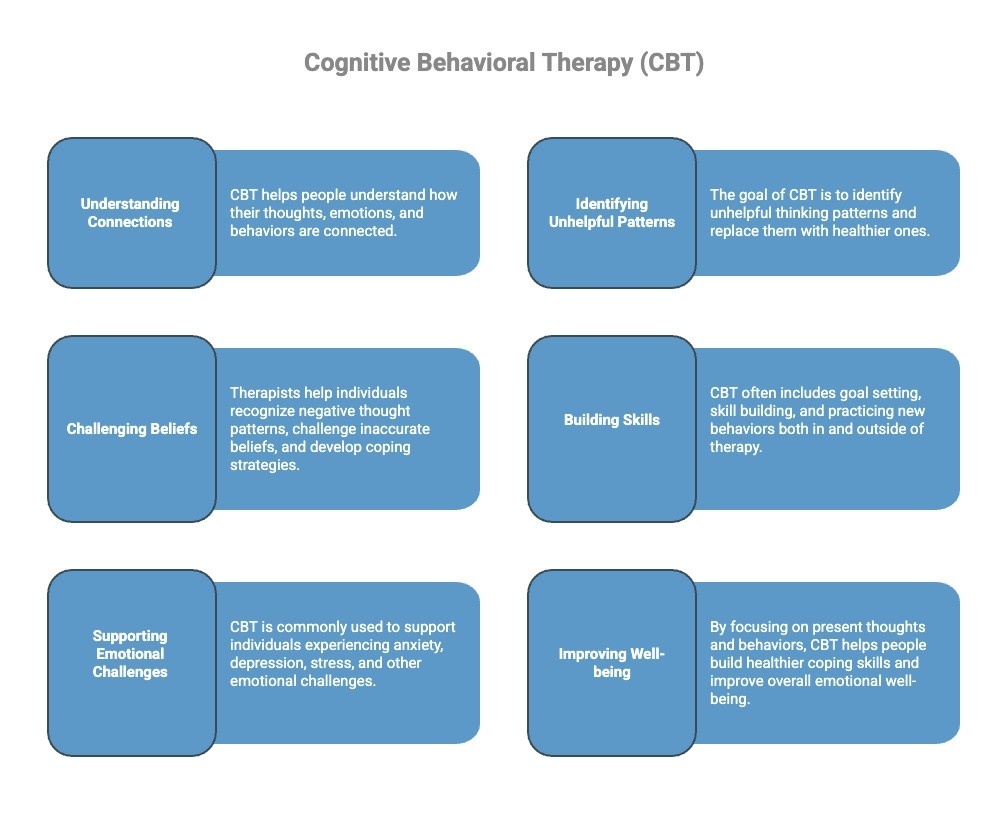
Cognitive Behavioral Therapy, commonly known as CBT, is a widely used form of talk therapy that helps people understand how their thoughts, emotions, and behaviors are connected. The goal of CBT is to identify unhelpful thinking patterns and replace them with healthier, more balanced ways of thinking.
During CBT sessions, therapists work with individuals to recognize negative thought patterns, challenge inaccurate beliefs, and develop practical strategies for coping with difficult situations. This structured approach often includes goal setting, skill building, and practicing new behaviors both in and outside of therapy sessions.
CBT is commonly used to support individuals experiencing anxiety, depression, stress, and other emotional challenges. By focusing on present thoughts and behaviors, CBT helps people build healthier coping skills and improve overall emotional well-being.
Curious about how therapy conversations can improve mental health? Learn what talk therapy is and how it supports emotional well-being, including how it helps people manage stress, thoughts, and everyday challenges.
What Is Dialectical Behavior Therapy (DBT)?
Dialectical Behavior Therapy, commonly known as DBT, is a type of psychotherapy that helps individuals manage intense emotions, develop healthy coping skills, and improve relationships. It was originally developed as an extension of cognitive behavioral therapy but places a stronger focus on emotional regulation and mindfulness.
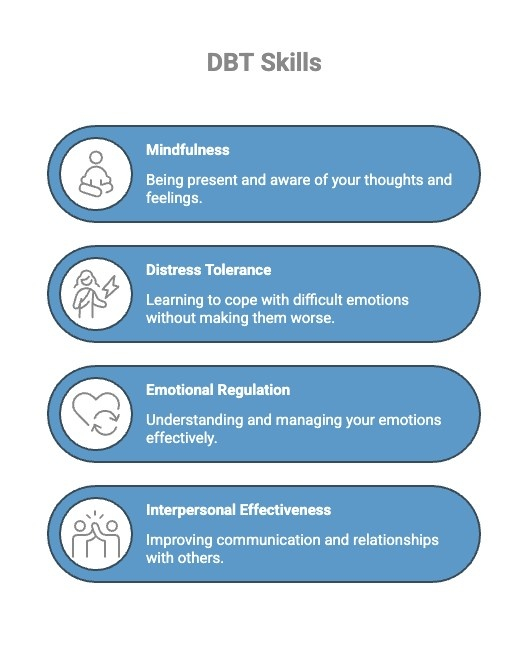
DBT teaches practical skills that help people respond to stressful situations in healthier ways. These skills typically include mindfulness, distress tolerance, emotional regulation, and interpersonal effectiveness. Together, they help individuals understand their emotions while learning how to handle challenges without becoming overwhelmed.
DBT is often used to support people who experience strong emotional reactions, mood instability, or difficulty managing stress. By combining acceptance with change-oriented strategies, DBT helps individuals build resilience, improve emotional balance, and strengthen communication and relationship skills.
What Is the Difference Between CBT and DBT?
Cognitive Behavioral Therapy and Dialectical Behavior Therapy are both evidence-based approaches used to support mental health and emotional well-being. While they share some similarities, they differ in their focus, techniques, and the types of challenges they are designed to address.
Below are the key differences between CBT and DBT:
| Aspect | CBT (Cognitive Behavioral Therapy) | DBT (Dialectical Behavior Therapy) |
|---|---|---|
| Primary Focus | Focuses on identifying and changing negative thought patterns that influence behavior and emotions. | Focuses on managing intense emotions while developing acceptance and coping strategies. |
| Core Approach | Helps individuals recognize and restructure unhelpful thinking patterns that affect behavior. | Combines acceptance-based strategies with techniques that encourage emotional regulation and behavioral change. |
| Treatment Goals | Aims to reduce psychological distress by changing patterns of thinking and behavior. | Aims to help individuals regulate emotions, tolerate distress, and build healthier relationships. |
| Emotional Regulation Focus | Addresses emotional responses by changing underlying thought patterns. | Strong emphasis on teaching emotional regulation skills and distress tolerance techniques. |
| Origin and Development | Developed by Dr. Aaron Beck in the 1960s to treat depression and related conditions. | Developed by Dr. Marsha Linehan in the 1980s to support individuals with severe emotional dysregulation and borderline personality disorder. |
| Session Format | Typically involves structured one-on-one therapy sessions focused on thoughts, beliefs, and behaviors. | Often includes individual therapy, structured skills training sessions, and practice of coping strategies. |
| Skills Taught | Cognitive restructuring, behavioral activation, and problem-solving strategies. | Mindfulness, distress tolerance, emotional regulation, and interpersonal effectiveness. |
| Target Conditions | Commonly used to treat anxiety, depression, phobias, obsessive-compulsive disorder, and stress-related concerns. | Often used for emotional regulation difficulties, trauma-related stress, personality disorders, and situations involving self-harming behavior or suicidal ideation. |
| Typical Use in Practice | Often recommended when thought patterns are the main driver of emotional distress. | Often recommended when individuals struggle with intense emotions, impulsive behaviors, or difficulty tolerating distress. |
Both CBT and DBT offer valuable tools for improving emotional health. A licensed therapist can help determine which approach may best support an individual’s needs, symptoms, and personal treatment goals.
Which Mental Health Conditions Are Treated with CBT vs. DBT Therapy?
Both cognitive behavioral therapy and dialectical behavior therapy are effective approaches used to treat a variety of mental health conditions. While they share similar foundations, each therapy is often used to address different emotional and behavioral challenges.
Below are common conditions treated with CBT vs. DBT therapy:
| Mental Health Condition | CBT (Cognitive Behavioral Therapy) | DBT (Dialectical Behavior Therapy) |
|---|---|---|
| Anxiety Disorders | Commonly used to help identify and change anxious thought patterns. | May help individuals manage emotional reactions linked to anxiety. |
| Depression | Focuses on reshaping negative thinking patterns and improving behavior. | Helps individuals manage emotional distress and build coping skills. |
| Obsessive Compulsive Disorder (OCD) | Frequently used with exposure and response prevention techniques. | Less commonly used, but may support emotional regulation. |
| Phobias | Helps individuals challenge fear-based thoughts and gradually face triggers. | Typically not the primary therapy for phobias. |
| Emotional Regulation Difficulties | May help identify thought patterns affecting emotions. | The core focus of DBT is on emotional regulation and distress tolerance skills. |
| Borderline Personality Disorder | Sometimes used as supportive therapy. | One of the primary treatments developed for this condition. |
| Trauma-Related Stress | Helps individuals process thoughts related to traumatic experiences. | Helps manage strong emotional responses and distress related to trauma. |
Both therapies can be effective depending on a person’s symptoms and treatment goals. Mental health professionals may recommend CBT, DBT, or a combination of both approaches to provide the most supportive care.
How Do Therapists Decide Between CBT Therapy vs DBT?
Choosing between CBT therapy vs. DBT depends on a person’s emotional needs, symptoms, and therapy goals. Therapists typically conduct a clinical assessment to understand the individual’s challenges before recommending the most appropriate therapeutic approach.
During this process, therapists may evaluate factors such as the severity of emotional dysregulation, history of self-harming behavior, suicidal ideation, trauma history, personality disorders, and the individual’s ability to tolerate distress. These factors help determine whether a cognitive-focused approach like CBT or an emotion-regulation-focused approach like DBT would provide the most benefit.
Below are some common ways therapists distinguish when CBT or DBT may be more suitable:
| Factor Considered | CBT Therapy | DBT Therapy |
|---|---|---|
| Primary Concern | Often recommended when negative thought patterns contribute to anxiety, depression, or stress. | Often recommended when individuals struggle with intense emotions or severe emotional dysregulation. |
| Emotional Regulation Needs | Focuses on identifying and changing thought patterns that influence behavior and emotional responses. | Specifically designed to teach skills for managing overwhelming emotions and improving emotional regulation. |
| Behavioral Challenges | Helps individuals change unhelpful behaviors by addressing underlying thinking patterns. | Often recommended when there is a history of self-harming behavior or difficulty controlling impulsive reactions. |
| Safety Concerns | Typically used when individuals are able to manage distress without immediate safety risks. | Frequently used when individuals experience suicidal ideation or high emotional distress that requires structured coping skills. |
| Trauma or Personality Factors | Can support individuals managing anxiety, depression, or trauma-related thoughts. | Often used for individuals with complex trauma histories or personality disorders that involve intense emotional responses. |
| Distress Tolerance | Focuses on reframing thoughts and building practical coping strategies. | Strong emphasis on distress tolerance skills that help individuals manage emotional crises without harmful behaviors. |
| Therapy Goals | Focuses on problem-solving, cognitive restructuring, and practical coping strategies. | Focuses on mindfulness, distress tolerance, emotional regulation, and interpersonal effectiveness. |
Ultimately, therapists consider each person’s experiences, emotional patterns, and safety needs before recommending CBT, DBT, or sometimes a combination of both approaches to provide the most supportive care.
How Can Therapy Help Improve Emotional Well-Being?
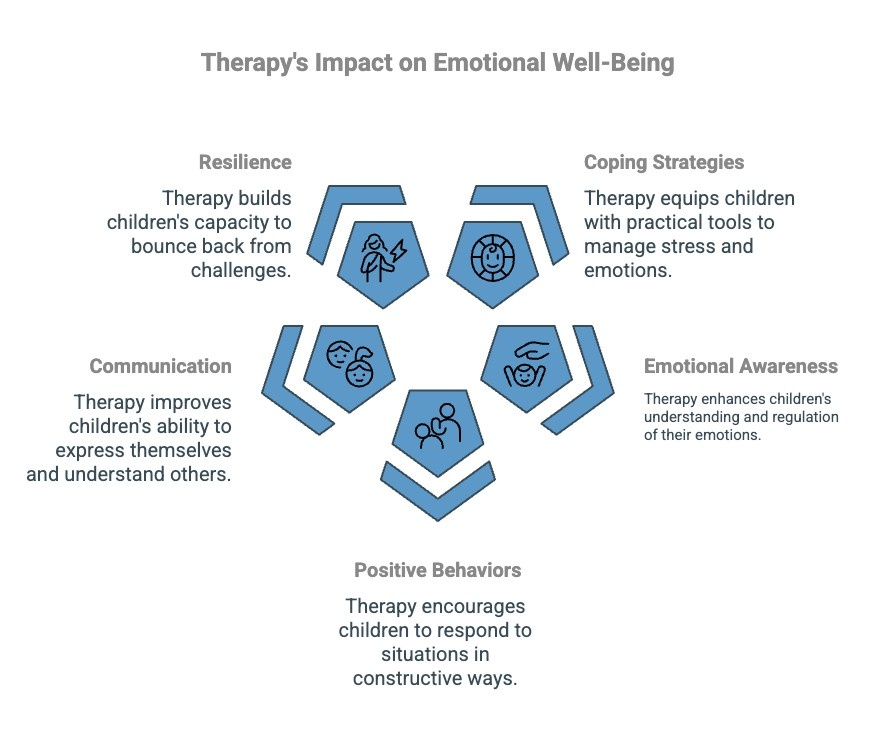
Therapy provides a supportive space where autistic individuals can better understand their thoughts, emotions, and behaviors. With guidance from trained professionals, therapy can help develop practical coping strategies, improve emotional regulation, and support everyday functioning.
Below are some ways therapy can support emotional well-being for autistic individuals:
- Develops practical coping strategies: Therapy helps autistic individuals learn structured techniques to manage overwhelming situations, sensory stress, and emotional overload in daily life.
- Improves emotional awareness and regulation: Many autistic individuals find it difficult to identify or express emotions. Therapy helps build awareness of emotional patterns and provides tools to respond to feelings in healthier ways.
- Encourages positive behavioral responses: Through guided strategies, individuals can learn how to replace distress-driven reactions with more constructive responses to challenging situations.
- Strengthens communication and social understanding: Therapy can support the development of clearer communication skills and help individuals navigate social interactions with greater confidence.
- Supports long-term emotional resilience: Over time, therapy equips individuals with tools they can use independently to manage stress, regulate emotions, and maintain mental well-being.
Wondering how relationships affect your emotional health? Discover what interpersonal therapy is and how it works, and how it helps improve communication, resolve conflicts, and strengthen supportive connections.
How Can Total Life Counseling Help with CBT or DBT Therapy?
Total Life Counseling (TLC) offers compassionate, personalized therapy designed to support individuals working through emotional, behavioral, and mental health challenges. Their licensed therapists are trained in evidence-based approaches such as Cognitive Behavioral Therapy (CBT) and Dialectical Behavior Therapy (DBT), helping clients develop practical skills for managing thoughts, emotions, and daily stress.
At TLC, therapists take time to understand each client’s goals, concerns, and unique experiences before recommending the most appropriate therapy approach. Whether someone is seeking support for anxiety, emotional regulation, relationship challenges, or stress management, CBT or DBT techniques may be integrated into a personalized treatment plan.
If you are exploring CBT vs. DBT therapy and want professional guidance, contact Total Life Counseling to learn how their therapists can support your mental health journey.
Conclusion
Understanding CBT vs. DBT therapy can help individuals choose a type of talk therapy that best supports their emotional needs and goals. Both approaches are recognized in clinical psychology as effective treatment options for a range of mental health conditions, including anxiety, depression, and other challenges that affect daily life and overall quality of life.
CBT focuses on identifying thought patterns and behaviors that may contribute to distress, while dialectical behavior therapy, developed by Marsha Linehan, emphasizes mindfulness skills, emotional regulation, and techniques such as radical acceptance to manage strong emotions.
Working with the right therapist can help determine which form of therapy may be most beneficial. With the right guidance, therapy can support meaningful emotional growth and healthier coping strategies.
Frequently Asked Questions
Are there situations where both CBT and DBT are used together?
Yes. Many therapists combine DBT and CBT when someone needs support with both thinking patterns and emotional regulation. This integrated approach can address anxiety, relationship stress, and strong emotions, helping individuals build balanced coping skills and healthier behaviors.
Is DBT vs. CBT better for ADHD?
When considering DBT vs. CBT for ADHD, CBT often helps improve focus, planning, and organization skills. However, DBT may be helpful when ADHD also involves intense emotions or impulsivity, teaching mindfulness skills and strategies for managing frustration.
Does insurance typically cover CBT and DBT the same way?
In many cases, insurance plans cover both DBT and CBT because they are recognized as evidence-based treatments for a range of mental health conditions. Coverage may vary by provider, so it is helpful to check benefits, therapy limits, and provider networks.
What are the core techniques used in CBT compared to DBT?
CBT often uses techniques such as cognitive restructuring, the Socratic method, and exposure therapy to change harmful thinking patterns. DBT focuses on mindfulness skills, distress tolerance, emotional regulation, and interpersonal effectiveness to help manage strong emotions.
When should someone consider choosing DBT for their mental health recovery?
DBT may be helpful when someone struggles with intense emotions, relationship challenges, or suicidal thoughts. This structured type of talk therapy teaches mindfulness skills, distress tolerance, and emotional regulation techniques to help individuals respond to difficult situations more safely.
Who is an ideal candidate for CBT, and what benefits does it offer?
CBT can benefit individuals experiencing anxiety, depression, panic disorder, or other challenges affecting daily life. This type of talk therapy helps people identify unhelpful thinking patterns and develop practical strategies that improve coping skills and overall quality of life.
Filed in: Therapy
Share This Story, Choose Your Platform!
Total Life Counseling Center consists of Licensed Counselors, masters level therapists, Español counselors, Licensed Mental Health Counselors, business coaches, and image enhancement coaches who provide counseling for emotional, mental, physical and spiritual care including marriage, individual, family, substance abuse and more. TLC’s family, trauma and marriage experts have been interviewed on National and Local TV/Radio over 200 times for their expert advice on Fox News, OWN, WETV, ABC’s Medical Minute and more. Our skilled counselors are relational, approachable and specialists providing therapy services in the Central Florida area including: Orlando, Winter Park, MetroWest, Windermere, Dr. Phillips, East Orlando, Lake Mary, and Clermont, Boca Raton Florida, and Dallas, TX.
About the Author: SeoSurge

Related Posts