

What Are The 15 Best Emotional Goals for New Year?

Key Highlights
- Emotional goals focus on how you feel, respond, and grow internally, not just what you achieve externally
- Small, consistent emotional habits are more effective than big, short-lived resolutions
- Emotional goals support emotional regulation, resilience, and long-term mental well-being
- Clear emotional goals help improve relationships, self-esteem, and stress management
- Tracking progress and celebrating small wins make emotional growth sustainable
- Emotional goals can be adapted for adults, children, schools, and IEP plans
- Total Life Counseling provides professional support to help individuals, families, and children turn emotional goals into lasting, meaningful change
As a New Year approaches, you might be thinking about resolutions. While many focus on external achievements, turning your attention inward can be truly transformative.
Setting intentional emotional goals is a powerful step toward improving your mental health and building lasting emotional resilience. This journey of personal growth isn’t about grand gestures but about taking small, consistent steps to create a life that feels more balanced and fulfilling.
Let’s explore emotional goals that can support your well-being in the coming year.
What Is an Emotional Goal and Why Does It Matter for the New Year?
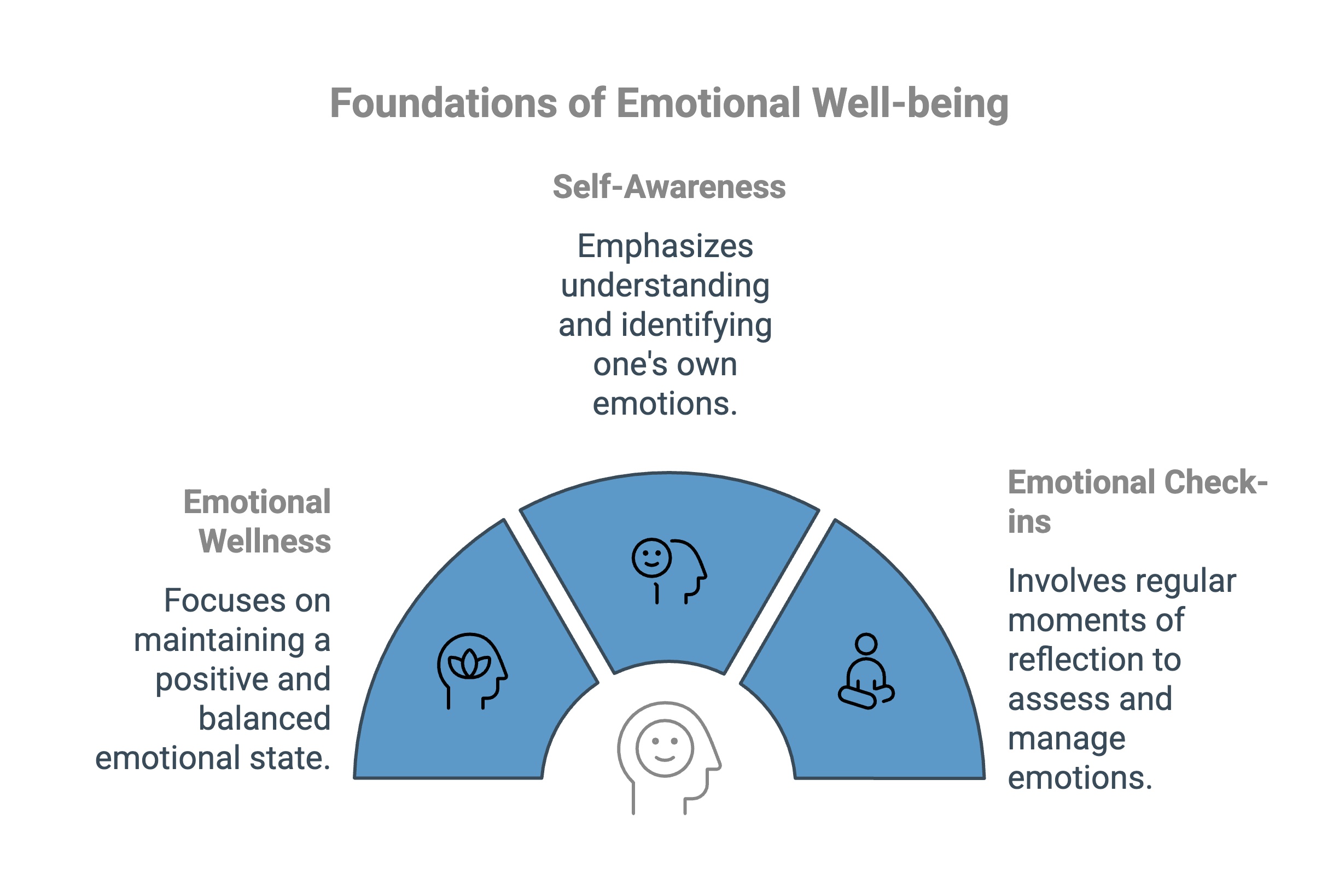
An emotional goal is an intention focused on understanding, managing, and responding to your emotions in healthier ways. This emotional goal definition centers on your inner life, not external achievements. Emotional goals shape how you handle stress, relationships, and everyday challenges.
Clear emotional goals examples include:
- Practicing daily gratitude to support emotional wellness
- Naming your emotions to build self-awareness
- Taking a few minutes each day for emotional check-ins
Each example of an emotional goal may feel simple, but these habits strengthen emotional regulation and support long-term goals for emotional health.
The New Year is the right time for emotional goal setting because it creates space for reflection and reset. Setting emotional goals for the New Year helps you release draining patterns, focus on emotional wellness, and build a more balanced, fulfilling life.
If post-holiday emotions feel heavy, this guide on how to overcome post-holiday depression and feel joyful offers helpful insight and support.
Emotional Goals vs. Mental Health Goals: What’s the Difference?
If you have ever felt unsure about whether to focus on emotional goals or mental health goals, you are not alone. Many people mix the two because they are closely connected. Understanding the difference can help you set goals that feel more supportive, realistic, and kind to yourself as you move into the new year.
| Aspect | Emotional Goals | Mental Health Goals |
|---|---|---|
| Primary focus | Daily emotions, reactions, and emotional regulation | Overall mental well-being and psychological health |
| Scope | Narrow and action-based | Broader and long-term |
| Purpose | Improve how you respond to feelings in everyday situations | Improve overall mental health or manage conditions |
| Typical approach | Small, consistent emotional practices | Structured plans, routines, or professional support |
| Examples | Practicing deep breathing when overwhelmed, reframing negative self-talk | Attending therapy regularly, improving sleep habits |
| Time frame | Immediate and ongoing | Medium to long term |
| Role in well-being | Acts as a building block for emotional health | Represents larger mental wellness outcomes |
When you work on emotional goals alongside mental health goals, you give yourself daily tools to cope, grow, and feel more balanced, creating a gentler and more sustainable path toward emotional well-being throughout the year.
Want 2026 to Feel More Balanced and Fulfilling? Start With These 15 Emotional Goals
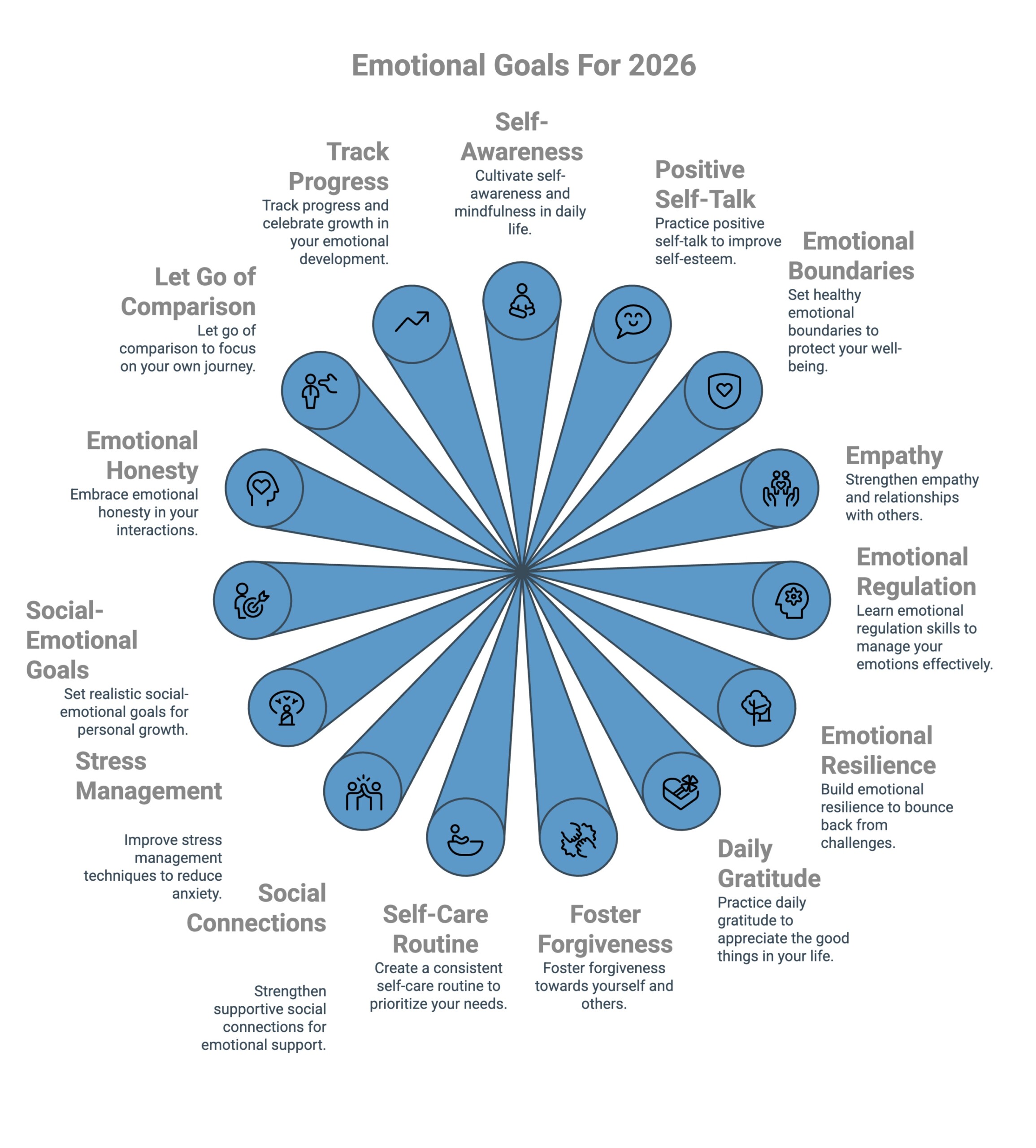
Ready to make a real change next year? Setting specific emotional goals is one of the most effective ways to support your mental health journey. Instead of broad resolutions, focus on small, intentional practices that build emotional strength and self-awareness over time.
Here is a list of 15 emotional goals you can set for 2026 to help you create a life that feels more balanced, connected, and fulfilling.
1. Cultivate Self-Awareness and Mindfulness Daily
Self-awareness is a core emotional goal that helps you stay present and grounded. Mindfulness reduces stress and supports goals for emotional regulation through small daily actions.
You can practice this by:
- Spending a few minutes focusing on your breath
- Naming your emotions once a day
- Noticing thoughts and feelings without judgment
These simple habits build emotional clarity and support long-term emotional health.
2. Practice Positive Self-Talk and Build Self-Esteem
How you speak to yourself has a powerful impact on your emotional health. A key emotional goal is replacing harsh self-criticism with supportive, compassionate self-talk to strengthen self-esteem.
You can work on this by:
- Noticing negative inner dialogue as it happens
- Pausing to question whether the thought is fair or helpful
- Reframing it with a kinder, more realistic perspective
This emotional wellness goal helps you build resilience, improve confidence, and develop a healthier relationship with yourself over time.
3. Set Healthy Boundaries for Emotional Wellness
Healthy boundaries protect your emotional energy and support emotional wellness. They are not about pushing people away but about respecting your limits and creating balance.
You can start by:
- Noticing situations that leave you feeling drained
- Practicing saying no to small requests without over-explaining
- Setting simple digital boundaries, like limiting notifications
This emotional goal helps you preserve emotional health, reduce burnout, and show yourself that your well-being matters.
4. Enhance Empathy and Strengthen Relationships
Empathy helps you connect more deeply with others and build stronger relationships. Making empathy an emotional goal encourages understanding, patience, and emotional awareness in everyday interactions.
You can practice this by:
- Listening fully without interrupting or planning a response
- Trying to see situations from another person’s perspective
- Responding with understanding, especially during disagreements
This goal strengthens emotional intelligence and leads to more supportive, meaningful connections with others.
5. Learn Emotional Regulation Strategies to Stay Centered
Emotional regulation helps you manage feelings without becoming overwhelmed. This emotional goal focuses on staying grounded during stress rather than suppressing emotions.
You can build this skill by:
- Using slow, deep breathing when emotions rise
- Practicing grounding techniques like noticing sights or sensations
- Pausing to reflect before reacting
These simple strategies support emotional balance and help you stay calm and centered during challenging moments.
6. Develop Resilience by Facing Challenges Positively
Emotional resilience helps you adapt and recover when life feels difficult. This emotional goal is about learning how to move through challenges without being overwhelmed.
You can strengthen resilience by:
- Reframing setbacks as learning experiences
- Asking what a difficult situation can teach you
- Practicing self-compassion instead of self-criticism
These habits help you cope with adversity, build confidence, and recover more quickly from emotional setbacks.
7. Practice Daily Gratitude for a Fulfilling Life
Gratitude is a simple emotional goal that helps shift your focus toward what is going well. Practicing gratitude regularly trains your mind to notice positivity and feel more fulfilled.
You can start by:
- Writing down three things you are grateful for each day
- Noticing small moments of joy or kindness
- Reflecting on the positives, even during difficult days
This daily habit supports emotional wellness and helps you build a more optimistic, balanced outlook over time.
8. Foster Forgiveness Toward Yourself and Others
Forgiveness is an emotional goal that helps release resentment, guilt, and emotional weight. It is not about excusing harm but about freeing yourself to move forward.
You can begin by:
- Practicing self-forgiveness after mistakes
- Replacing self-blame with compassion
- Acknowledging hurt and choosing to let go of anger
This goal supports emotional healing, reduces emotional burden, and creates space for growth and inner peace.
9. Create a Consistent Self-Care Routine
Self-care works best when it is consistent, not occasional. This emotional goal focuses on supporting your physical, mental, and emotional needs through daily habits.
You can build a routine by:
- Maintaining a regular sleep schedule
- Adding gentle movement to reduce stress
- Making time for activities that recharge you
Small, repeatable actions create balance, improve emotional regulation, and strengthen overall emotional well-being.
10. Strengthen Social Connections with Supportive People
Strong social connections are essential for emotional health. This emotional goal focuses on nurturing relationships that make you feel supported and valued.
You can work on this by:
- Spending more quality time with positive, uplifting people
- Letting go of connections that drain your energy
- Reaching out regularly through a call, message, or meetup
Building a supportive circle reduces loneliness and strengthens long-term emotional well-being.
11. Improve Stress Management Techniques for Well-Being
Managing stress is a vital emotional goal for protecting your mental and physical health. The focus is on responding to stress early, before it becomes overwhelming.
You can support this by:
- Using deep breathing to calm your nervous system
- Adding regular movement to release tension
- Identifying stress triggers and adjusting boundaries
These strategies help you preserve energy, reduce overwhelm, and support long-term emotional well-being.
12. Set Realistic Social Emotional Goals for Growth
Setting realistic social-emotional goals helps you stay motivated and avoid burnout. Small, specific goals are more effective than broad or overwhelming intentions.
You can approach this by:
- Focusing on one manageable social action at a time
- Setting clear and achievable goals that you can measure
- Breaking larger ambitions into simple steps
This approach makes emotional growth feel attainable and supports steady, meaningful progress.
13. Embrace Emotional Honesty and Healthy Expression
Being honest about your emotions is a powerful emotional goal that supports clarity and connection. Suppressing feelings often leads to stress and misunderstandings, while healthy expression builds trust with yourself and others.
You can practice this by:
- Naming your feelings instead of ignoring them
- Expressing emotions calmly and respectfully
- Sharing how you feel with someone you trust
This goal strengthens emotional awareness, improves communication, and supports long-term emotional health.
14. Let Go of Comparison and Focus on Your Own Journey
Constant comparison can drain emotional energy and affect self-esteem. This emotional goal is about shifting attention back to your own progress and values.
You can work on this by:
- Limiting social media when comparison shows up
- Noticing your personal growth instead of others’ milestones
- Reminding yourself that everyone moves at a different pace
Letting go of comparison supports emotional balance and helps you feel more confident and content in your own path.
15. Track Your Progress and Celebrate Achievements
Tracking progress helps you stay motivated and recognize how far you have come. This emotional goal reinforces growth by highlighting small wins.
You can do this by:
- Reflecting weekly through journaling
- Noticing patterns, challenges, and improvements
- Celebrating even small emotional victories
Acknowledging progress builds confidence and makes emotional growth more sustainable over time.
How Can Total Life Counseling Support Your Emotional Growth Journey?
If you are looking for professional guidance while working on emotional goals, Total Life Counseling offers compassionate, experienced support for individuals, couples, families, and children. Our counselors focus on helping clients build emotional regulation, resilience, and healthier relationships in a safe, supportive setting.
We support emotional wellness through:
- Individual, couples, and family counseling
- Child and teen therapy for emotional and school-related challenges
- Group therapy for social skills, anger management, and emotional regulation
- Flexible in-person and online counseling options
With a broad range of services and a client-centered approach, Total Life Counseling helps you develop practical emotional tools that support lasting growth and well-being.
Your Emotional Growth Starts With One Small Step
You do not need to change everything at once to create meaningful emotional growth. One small, intentional shift can set the tone for lasting change. Choose the emotional goals that matter most to you and let progress happen naturally, not perfectly.
As the year unfolds, stay curious, kind, and patient with yourself. When you invest in your emotional well-being, you build a stronger foundation for balance, resilience, and a more fulfilling life.
Frequently Asked Questions
What is an emotional goal, and how do you set one?
An emotional goal is a specific intention to better understand or manage your emotional life for improved mental wellness. To set one, reflect on a feeling you want to address, then create small, actionable steps.
Can you give me emotional wellness goal examples I can set for the New Year?
For the next year, you can set realistic goals like practicing mindfulness for five minutes a day, limiting negative self-talk, or setting one healthy boundary with a loved one.
What makes a strong emotional wellness goal?
A strong emotional wellness goal is specific, measurable, and achievable. The importance of setting goals this way is that it provides clarity and motivation.
What is an example of an emotional regulation goal?
An example is pausing to take deep breaths before responding when feeling stressed or frustrated. This goal focuses on managing reactions calmly rather than acting impulsively in emotional situations.
What are the 5 social-emotional competencies?
The five social-emotional competencies are self-awareness, self-management, social awareness, relationship skills, and responsible decision-making. Together, they support emotional regulation, empathy, and healthy interactions.
What are the 5 C’s of goal setting?
The 5 C’s of goal setting are clarity, commitment, consistency, challenge, and control. These elements help ensure goals are realistic, motivating, and achievable over time.
How to regulate emotions in an adult?
Adults can regulate emotions by practicing mindfulness, identifying triggers, using calming techniques like deep breathing, reframing negative thoughts, and responding intentionally rather than reacting impulsively.
Can you list emotional goal examples that fit into a SMART goal format?
Examples include practicing deep breathing for five minutes daily, journaling emotions three times a week, or pausing before reacting in stressful situations at least four times per week.
Are there any tools or resources to help set and track emotional wellness goals?
Helpful tools include journaling apps, mood and habit trackers, mindfulness apps, and support from therapists or counselors to monitor progress in emotional wellness.
Filed in: Emotions
Share This Story, Choose Your Platform!
Total Life Counseling Center consists of Licensed Counselors, masters level therapists, Español counselors, Licensed Mental Health Counselors, business coaches, and image enhancement coaches who provide counseling for emotional, mental, physical and spiritual care including marriage, individual, family, substance abuse and more. TLC’s family, trauma and marriage experts have been interviewed on National and Local TV/Radio over 200 times for their expert advice on Fox News, OWN, WETV, ABC’s Medical Minute and more. Our skilled counselors are relational, approachable and specialists providing therapy services in the Central Florida area including: Orlando, Winter Park, MetroWest, Windermere, Dr. Phillips, East Orlando, Lake Mary, and Clermont, Boca Raton Florida, and Dallas, TX.
About the Author: Jim West

Related Posts