

Find the Best OCD Therapist Near Me in Orlando, FL
Do intrusive thoughts keep replaying, no matter how hard you try to stop them? Do certain routines, checking, or mental rituals feel necessary just to feel calm or safe? When these patterns take over, Obsessive-Compulsive Disorder can disrupt daily life through anxiety, frustration, and avoidance, affecting work, relationships, and overall well-being.
At Total Life Counseling, we provide specialized counseling for OCD, which includes evidence-based OCD therapy for children, teens, and adults in Orlando. Our experienced OCD counselors help clients reduce obsessive thinking, manage compulsive behaviors, and build healthier responses to anxiety, so life feels manageable again.
If OCD is interfering with your peace of mind, professional support can help you regain control and move forward with confidence.

Call for a Complimentary 15 Minute Phone Consultation
Se Habla Español: We have Portuguese and Spanish speaking counselors as well.
Licensed Counselors & Therapists
Meet Our Team of Certified & Experienced Professionals
Total Life Counseling Center consists of Licensed Counselors, Masters Level Therapists, Espanol Counselors, Licensed Mental Health Counselors, Business Coaches, Image Enhancement Coaches who provide counseling for emotional, mental, physical and spiritual care including marriage, individual, family, substance abuse and more. Our team of certified and experienced professionals, dedicated to serving a comprehensive spectrum of mental health and relationship issues such as couples, women and men’s issues, children and teens with oppositional defiance, video game addiction, ADHD, ASD, anxiety, depression, and trauma survivors, is here to support and guide you through your journey towards healing and navigating life transitions. This approach not only enhances the effectiveness of the counseling provided but also builds trust within the community and among potential clients, who may be seeking support.
We offer next level counselors specialized in areas such as relationships, video game & drug/alcohol addictions, abuse, trauma, depression, and ADHD. Our Therapists are EMDR (eye movement desensitization) trauma therapy trained, cognitive behavioral therapy, specialize in ADHD and Oppositional Defiant Children, and are also professional Gottman method marriage couples counselors to give the best results to couples and to provide the best comprehensive spectrum of mental health and relationship care for our clients.
Struggling with Anger? We offer 8 hour anger management group therapy!
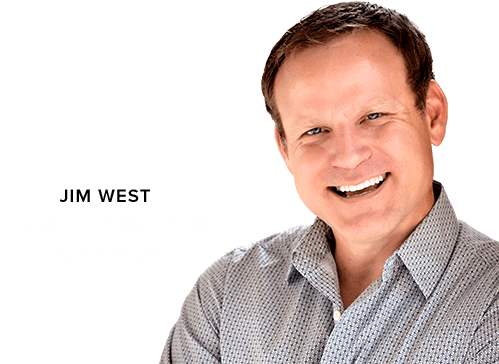
Discounted Rates and the president of Total Life Counseling Center Jim West does not want to turn people away and we have counselors at various levels of experience at a discounted rate that are trained by our next level counselors!
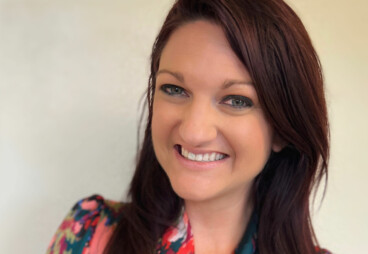
Katherine Waldheim
MS, Registered Mental Health Counseling Intern
Trauma, anxiety, couples counseling, and child & adolescent counseling services and more!

Audrey DeBruler
MS, LMHC, Licensed Mental Health Counselor
Children, Adolescents, Young Adults, Faith Based Counseling, Trauma Recovery, Anxiety and more!

What Is Obsessive-Compulsive Disorder (OCD)?
Obsessive-compulsive disorder (OCD) is an anxiety-related condition marked by unwanted, intrusive thoughts and repetitive behaviors or mental rituals that feel difficult or impossible to control. These experiences are not a choice, and they are not a reflection of who a person is.
People with OCD typically experience:
- Obsessions: intrusive, distressing thoughts, images, urges, or sensations that repeatedly enter the mind
- Compulsions: behaviors or mental acts performed to reduce anxiety or prevent a feared outcome
While compulsions may bring short-term relief, the anxiety quickly returns, often stronger than before. Many individuals with OCD recognize that their thoughts or behaviors don’t make logical sense, yet resisting them can intensify distress, creating a difficult and exhausting cycle.
OCD often begins in childhood or adolescence, with many individuals diagnosed in their late teens or early adulthood. With proper treatment and support, people with OCD can learn effective ways to manage symptoms, reduce anxiety, and regain control over their daily lives.

Find Practical Insights With the StressLess Podcast
Explore expert conversations covering ADHD, mental health, parenting, relationships, and everyday challenges. Get practical perspectives that can help you better understand what you’re experiencing and consider your next step.
Start Listening Today On:
.
Who Does OCD Affect and When to Seek Help?
Obsessive Compulsive Disorder can affect children, teens, and adults from all backgrounds. While symptoms often begin in childhood or adolescence, many people live with OCD for years before receiving proper support, believing they should be able to manage it on their own.
You may benefit from OCD therapy if:
• Obsessive thoughts feel intrusive, distressing, or hard to control
• Compulsive behaviors or mental rituals take up significant time
• Anxiety increases when you try to resist urges or seek reassurance
• Avoidance is limiting your work, school relationships, or daily routines
• You feel stuck in cycles of fear, doubt, or what-if thinking
Even when OCD symptoms do not seem severe, they can quietly drain emotional energy and reduce quality of life. Early specialized treatment can help interrupt these cycles and support lasting improvement.
Online Counseling Services
Choose from 3 Types of Remote Therapy
With Total Life online counseling, anyone can get therapy without traveling to an office. Start therapy now with one of three convenient options with a licensed therapist who can provide counseling for emotional, mental, physical and spiritual care including marriage, individual, family, substance abuse and more:

What Are the Common Symptoms and Patterns of OCD?
Obsessive Compulsive Disorder can present differently from person to person. Some individuals experience visible compulsive behaviors, while others struggle mainly with intrusive thoughts and mental rituals. Both forms can be equally distressing and disruptive.
- Fear of contamination, dirt, or germs
- Need for order, symmetry, or exactness
- Aggressive, violent, or horrific impulses
- Sexual images or unwanted sexual thoughts
- Religious or moral fears, including fear of offending God or doing something sinful
- Fear of harming oneself or others
- Intense doubt or fear of making the wrong decision
- Fear of being contaminated by shaking hands or touching objects others have touched
- Persistent doubts about locking doors, turning off appliances, or making mistakes
- Fear that you may have harmed someone without realizing it
- Intense distress when objects are not orderly, aligned, or symmetrical
- Intrusive images of hurting a loved one or child
- Urges to shout obscenities or say inappropriate things
- Avoidance of situations that trigger obsessions, such as public places or physical contact
- Replaying disturbing sexual or violent images in your mind
- Excessive concern with body sensations, health, or illness
- Needing reassurance from others to feel safe or certain
- Dermatitis or cracked skin due to frequent hand washing
- Skin lesions caused by compulsive skin picking
- Hair loss or bald spots due to hair-pulling
- Fatigue, headaches, or muscle tension related to chronic anxiety
- Difficulty concentrating or sleeping due to obsessive thinking
- Washing and cleaning
- Checking
- Counting
- Ordering or arranging items
- Repeating actions until they feel right
- Seeking reassurance
- Mental rituals are performed silently
- Avoidant behaviors are used to reduce anxiety
- Hand washing, showering, or cleaning until the skin becomes raw or irritated
- Repeatedly checking doors, locks, windows, or appliances
- Counting objects, steps, breaths, or numbers in specific patterns
- Arranging items to achieve symmetry or a specific order
- Repeating words, phrases, or prayers silently to prevent harm
- Asking others for reassurance to relieve doubt or fear
- Touching, tapping, or performing actions a specific number of times
- Avoiding places, people, or situations that trigger obsessive thoughts
- Restarting tasks if they do not feel done correctly.
We can help! Call us today.
Call For a Complimentary 15 Minute Phone Consultation. Se Habla Español: We have Portuguese and Spanish speaking counselors as well.
How Is OCD Diagnosed?
Obsessive-Compulsive Disorder is diagnosed through a comprehensive clinical evaluation conducted by a licensed mental health professional. There is no single medical test for OCD. Instead, diagnosis is based on symptoms, history, and how those symptoms affect daily functioning.
During the diagnostic process, a therapist will typically:
- Discuss your thoughts, behaviors, emotions, and daily routines
- Ask how often obsessions or compulsions occur and how much time they take
- Explore when symptoms began and how they have changed over time
- Assess how anxiety, avoidance, or rituals interfere with work, school, or relationships
- Rule out other conditions that may cause similar symptoms
Diagnosis is guided by established clinical criteria and focuses on identifying patterns of intrusive thoughts and compulsive behaviors rather than judging or labeling experiences. The goal is to gain clarity and ensure the most appropriate treatment approach.
A clear diagnosis helps create a targeted therapy plan and gives clients a better understanding of what they are experiencing and how treatment can help.
What Therapies Are Most Effective for OCD?
OCD responds best to evidence-based therapy approaches that address both obsessive thoughts and compulsive behaviors. At Total Life Counseling Center, treatment methods are selected based on each client’s symptoms, history, and comfort level, ensuring care is both effective and supportive.
The most commonly used therapies for OCD include:
Cognitive Behavioral Therapy helps individuals recognize how thoughts, emotions, and behaviors interact. In OCD treatment, CBT focuses on identifying unhelpful thinking patterns that increase anxiety and reinforce compulsions. Clients learn practical strategies to respond differently to intrusive thoughts rather than trying to suppress or eliminate them.
EMDR may be helpful when OCD symptoms are linked to past trauma, distressing memories, or intense emotional reactions. This approach helps the brain reprocess upsetting experiences so they no longer trigger overwhelming anxiety. EMDR is often used alongside other therapies when trauma plays a role in OCD.
EFT focuses on reducing emotional distress through guided techniques that support emotional regulation. For individuals with OCD, EFT may help lower anxiety levels, decrease emotional reactivity, and increase tolerance for distress. It is typically used as a complementary approach alongside evidence-based OCD therapies.
Lifestyle factors can influence anxiety and stress levels, which may affect OCD symptoms. As part of treatment, counselors may provide guidance on regular physical activity, healthy sleep habits, balanced nutrition, and stress management. These strategies support therapy and overall well-being but do not replace professional treatment.
In some cases, therapy may also include education around lifestyle factors such as stress management, sleep, and overall wellness, as these can influence anxiety levels and symptom severity.
How Is OCD Treated at Total Life Counseling?
OCD is highly treatable with the right therapeutic support. At Total Life Counseling, treatment begins with a comprehensive assessment to understand how obsessive thoughts and compulsive behaviors are affecting your daily life, relationships, and emotional well-being.
Therapy is personalized and collaborative. Your counselor works with you to identify triggers, patterns, and goals, then develops a treatment plan tailored to your specific symptoms and needs.
Treatment focuses on helping you:
- Reduce the intensity and frequency of obsessive thoughts
- Decrease reliance on compulsive behaviors and rituals
- Build healthier responses to anxiety and uncertainty
- Improve daily functioning at work, school, and home
- Regain confidence and a sense of control
When you search for OCD therapy near me, you should know it is not just about eliminating thoughts or forcing control. Instead, it helps you learn how to respond differently to intrusive thoughts so they no longer dominate your life.
Total Life In The News
Total Life Counseling Mental Health Experts Have Been Featured On Multiple TV Networks and News Stations:

Our subject matter experts have participated in over 200 national & local news interviews and they are here for you!
At Total Life Counseling Center, our therapists are experts for national and local TV, radio, and print media. We have an excellent reputation amongst graduate & private schools, attorneys, doctors, therapists, providers and corporations. We strive to ensure our therapists have diverse clinical backgrounds, to allow us to match each client to the therapist that will best meet his or her needs.
What Can I Expect From OCD Therapy?
Starting therapy for OCD can feel intimidating, especially if you’ve been managing symptoms on your own for a long time. At Total Life Counseling Center, the process is designed to feel supportive, structured, and respectful of your pace.
During OCD therapy, you can expect:
- An initial assessment to understand your symptoms, triggers, and treatment goals
- A personalized therapy plan based on your specific OCD patterns
- A collaborative approach where progress is discussed openly and adjusted as needed
- Practical tools to manage intrusive thoughts and reduce compulsive behaviors
- A safe, non-judgmental space to discuss thoughts or urges without shame
Therapy is not about forcing change or eliminating thoughts. Instead, it focuses on helping you respond differently to anxiety, tolerate uncertainty, and regain confidence in daily life.
Many people searching for the best OCD therapist near me are looking for this kind of steady, supportive progress, guided by a professional who understands how OCD works and how recovery unfolds over time.
We can help! Call us today.
Call For a Complimentary 15 Minute Phone Consultation. Se Habla Español: We have Portuguese and Spanish speaking counselors as well.
Testimonials
A Few Kind Words From Satisfied Clients


Frequently Asked Questions
What should I look for when choosing an OCD therapist nearby?
Look for licensed therapists with specific OCD training, experience using evidence-based approaches, and a collaborative style. Reading reviews and confirming availability for OCD counseling near me can also help ensure accessible, consistent care.
What steps should I take before my first appointment with OCD specialists near me?
Before your visit, note your main symptoms, triggers, and goals, gather insurance details, and prepare questions. Understanding what you want from therapy helps you and OCD counselors near me focus on effective treatment from the start.
What type of therapist is best for OCD?
The best clinicians for OCD specialize in anxiety disorders and other mental health conditions, with specific training in ERP and response prevention therapy. Experienced clinicians understand perfection, phobias, and compulsive disorder treatment beyond general counseling.
What is the best therapy for OCD?
ERP therapy is the gold standard treatment for OCD in the United States. ERP and response prevention help reduce compulsions, restore serotonin balance, and outperform support groups alone. SSRIs or higher doses of selective serotonin reuptake inhibitors may be added.
What is the 15-minute rule in OCD?
The 15-minute rule encourages delaying compulsions to practice response prevention. This hard work reduces anxiety, feelings of isolation, and reliance on rituals. It supports ERP for severe OCD and complements treatments like TMS or transcranial magnetic stimulation when needed.
How do you treat OCD?
OCD is treated with evidence-based therapy such as ERP, often combined with CBT. In some cases, medication may be recommended. Treatment focuses on reducing compulsions, managing anxiety, and improving daily functioning over time.
What happens if OCD is not treated?
Untreated OCD may worsen, increasing anxiety, avoidance, and time-consuming rituals. Symptoms can interfere with work, relationships, and overall quality of life, and may contribute to emotional distress or additional mental health challenges.
Is ERP therapy available from therapists near me?
Yes. Many licensed clinicians offer ERP therapy as part of compulsive disorder treatment. If you’re searching for therapists near you, local practices and tele-therapy providers often include ERP, the gold standard treatment for OCD, within broader anxiety disorder care.
Total Life Blog
OCD & Anxiety Tips From our TLC Therapists






Office Locations
Multiple Counseling Center Locations for Your Convenience
Orlando, Winter Park, MetroWest, Windermere, Dr Phillips, East Orlando, Lake Mary, Clermont, Florida and Dallas, TX.
Total Life Counseling Center provides counseling, therapy, coaching, camps and career services for all of Central Florida and Dallas, Fort Worth, Arlington MetroPlex. Our Central Florida offices serves: Orlando, Winter Park, College Park, Maitland, Dr. Phillips, Windermere, Conway, Winter Garden, Oviedo, Ocoee, Longwood, Casselberry, Altamonte Springs, Lake Mary, Deland, Sanford, De Bary, Daytona, Deltona, Cocoa, Titusville, New Smyrna, Merritt Island, St. Cloud, Kissimmee, Mt. Dora, Celebration, and the tri-cities of Tavares, the Villages, Leesburg, and Eustis.
Our counseling, therapy, camps, group, coaching and career services are conveniently located in:

Main Office:
Southwest Orlando FL | Metrowest,
Windermere, Winter Garden, FL 1507
S. Hiawassee Road #101,
Orlando, FL 32835



Satellite Office:
Winter Park, FL | Downtown Orlando, Maitland, Altamonte Springs, FL
1950 Lee Road #215
Winter Park, FL 32789

Satellite Office:
Lake Mary, FL | Longwood, Sanford, Oviedo, Winter Springs, FL
725 Primera Blvd
Primera Court One, Suite 135
Lake Mary, FL 32746