

Counseling vs Therapy: Which One Do You Need?

Key Highlights
- Counseling often focuses on short-term, specific issues like relationship issues or life changes, providing practical solutions.
- Therapy tends to be a longer-term process, exploring the root causes of emotional and psychological concerns for lasting change.
- A mental health professional’s title, whether professional counselor or licensed therapist, often reflects differences in clinical training and education.
- Counseling and therapy both use talk therapy, but the techniques and depth of exploration differ.
- Choosing the best option between counseling and therapy depends on your specific needs, goals, and mental health concerns.
- Both paths support mental wellness, and finding the right mental health care is a key step in your journey.
- Total Life Counseling provides compassionate, personalised support to help you manage burnout and regain emotional balance effectively.
When you’re facing emotional challenges, you might wonder whether you need counseling or therapy. Although people often use these terms interchangeably, they represent distinct approaches to supporting your mental health.
Understanding the differences between them is crucial for making an informed choice and finding the right mental health professional for your journey.
This guide will clarify what sets counseling and therapy apart, helping you decide which path is the best fit for achieving your mental wellness goals.
What is Counseling?
Counseling is a form of talk therapy that typically concentrates on specific, present-day issues over a shorter period. Think of it as a goal-oriented support system designed to help you navigate immediate challenges, such as relationship issues, career stress, or difficult life changes.
A professional counselor provides a structured space to develop practical strategies and solutions. The main difference between counseling and therapy is this focus; counseling is solution-focused and short-term, while therapy often goes deeper.
When working with a mental health counselor, sessions are often geared toward resolving a particular problem. This approach makes counseling an excellent option if you’re at a crossroads and need guidance to address a specific concern. A counselor uses active listening and provides advice to help you build coping skills.
What are the Core Concepts of Counseling?
Counseling psychology is centered on helping you address specific problems that affect your daily life. The core of this professional support lies in addressing current hurdles. Some common topics include:
- Managing relationship challenges and improving communication.
- Adjusting to major life transitions like a new job or parenthood.
- Learning conflict resolution strategies for personal or professional settings.
This approach uses techniques like active listening and guidance to equip you with the tools needed for the situation at hand. If you are facing a clear, definable issue and want practical mental health support to overcome it, counseling is often the most direct path forward.
Can couples therapy really improve relationships? Explore whether couples therapy works, how it strengthens communication, and what you should know before getting started.
What Are the Different Types of Counselling?
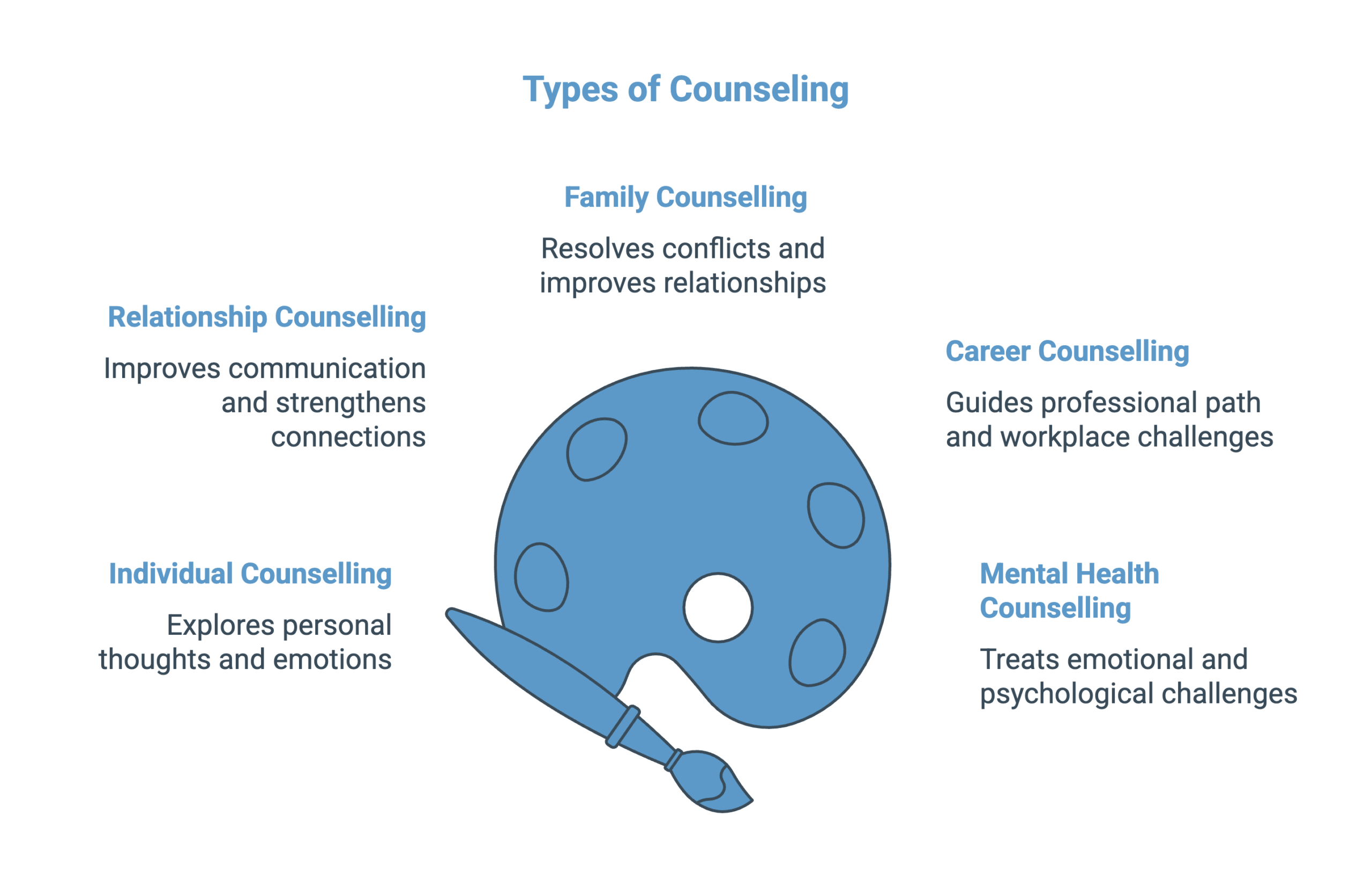
Counselling is not a one-size-fits-all approach, as different individuals require different types of support depending on their needs, challenges, and goals. Understanding the various types of counselling can help you choose the right approach and connect with a professional who aligns with your situation.
1. Individual Counselling
Individual counselling focuses on one-on-one sessions between a client and a therapist, creating a safe and confidential space to explore personal thoughts and emotions. It helps address issues such as anxiety, depression, stress, and personal growth while building coping strategies and emotional resilience.
2. Relationship and Couples Counselling
Relationship counselling supports couples in improving communication, resolving conflicts, and strengthening emotional connections. It is helpful for addressing trust issues, misunderstandings, and major life transitions. This type of counselling encourages healthy dialogue and helps partners better understand each other’s perspectives and needs.
3. Family Counselling
Family counselling involves multiple family members working together with a therapist to improve relationships and resolve conflicts. It focuses on communication patterns, behavioural concerns, and emotional dynamics within the family, helping create a more supportive and understanding environment for everyone involved.
4. Career Counselling
Career counselling helps individuals make informed decisions about their professional paths, whether choosing a career, changing jobs, or navigating workplace challenges. It provides guidance on skills, interests, and goals, helping individuals align their careers with their strengths and long-term aspirations.
5. Mental Health Counselling
Mental health counselling focuses on diagnosing and treating emotional and psychological challenges such as anxiety, depression, trauma, and stress-related conditions. It uses evidence-based approaches to support emotional well-being, improve coping mechanisms, and help individuals lead healthier, more balanced lives.
Understanding these different types of counselling can make it easier to identify the support you need. Choosing the right approach ensures a more effective and meaningful counselling experience.
Want to better understand trauma and its effects? Discover key insights from an Orlando trauma counselor, including important facts about how trauma shapes emotions, behaviour, and recovery.
What is Therapy?
Therapy, often called psychotherapy, is a more in-depth form of mental health treatment designed to foster lasting psychological change.
A licensed therapist, who could be one of many types of mental health professionals, like a clinical psychologist, guides you through a deeper exploration of your emotions, behaviors, and life experiences.
During therapy sessions, you’ll examine how past events, family dynamics, and long-held beliefs influence your present-day life. This process is less about finding a quick fix and more about understanding why certain patterns keep recurring.
A therapist with extensive clinical training helps you explore your inner world, making therapy a powerful tool for those seeking profound self-awareness and long-term emotional healing.
What Makes Therapy Unique?
Therapy is distinct from counseling primarily because it goes deeper into your psychological landscape. Yes, therapy sessions usually go deeper than counseling, as therapists are trained to explore the underlying “why” behind your feelings and behaviors.
This distinction is frequently discussed in comparisons of therapy vs counseling, especially when examining the level of clinical training and treatment scope. Key distinctions include:
- A focus on treating diagnosed mental health conditions and mental health disorders.
- The use of diverse, evidence-based therapeutic approaches to restructure ingrained patterns.
- A longer-term commitment to exploring past trauma and its impact on the present.
This comprehensive approach allows therapists to help you not only manage symptoms but also achieve fundamental, sustainable change in how you experience the world and relate to others.
What Are the Different Types of Therapy?
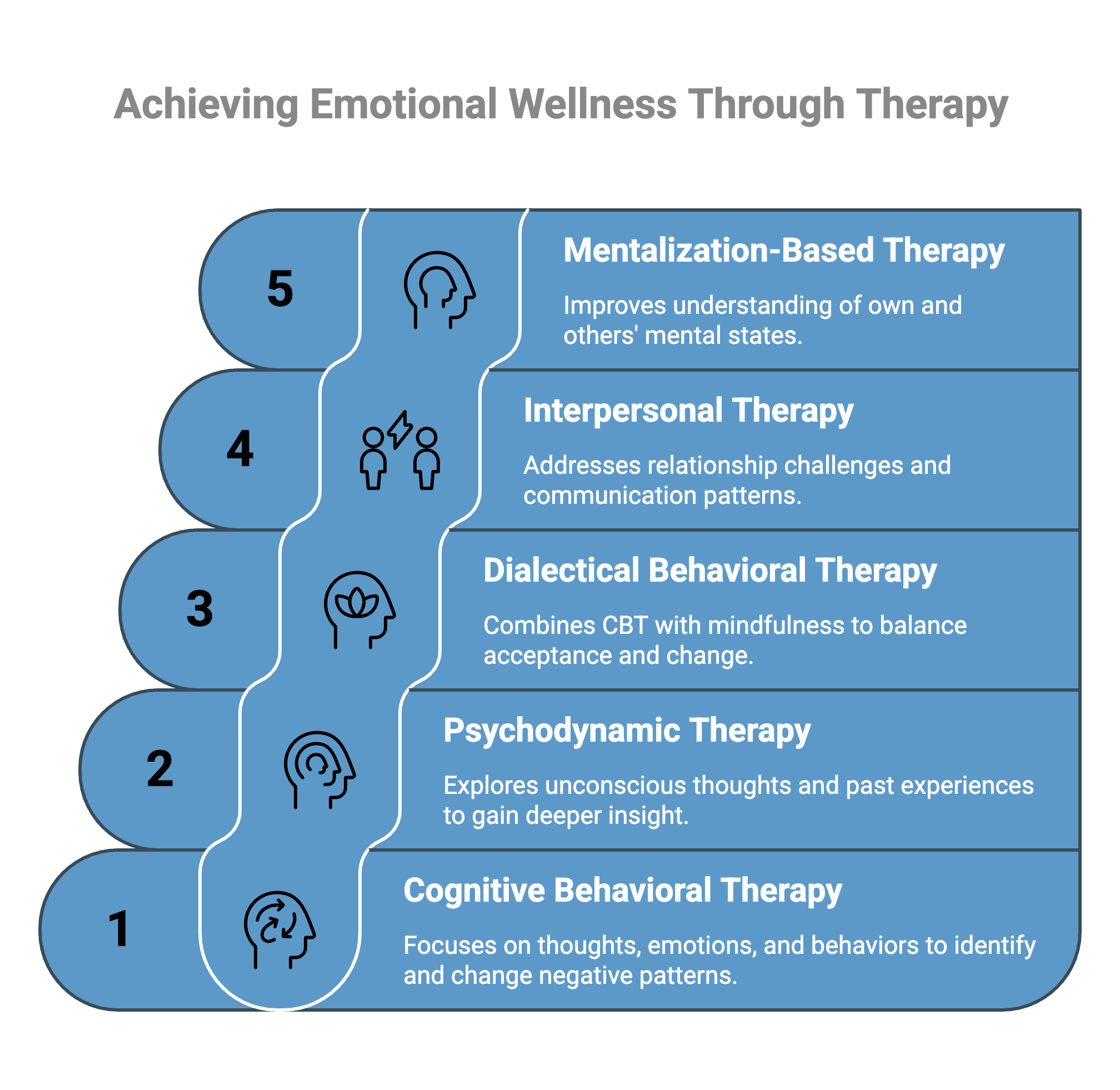
Therapy includes a variety of structured approaches designed to help individuals address emotional, behavioral, and psychological challenges.
Understanding the most common therapy types can help you know what to expect from treatment and how different therapeutic styles support emotional healing and mental wellness.
1. Cognitive Behavioral Therapy (CBT)
Cognitive Behavioral Therapy (CBT) is one of the most widely used and researched forms of talk therapy. It focuses on the connection between thoughts, emotions, and behaviors, helping individuals recognize patterns that may contribute to emotional distress or unhealthy coping strategies.
CBT is structured, goal-oriented, and focused on practical problem-solving. During sessions, individuals learn to identify negative thought patterns and replace them with healthier perspectives.
It is commonly used to support people dealing with anxiety, depression, and substance use challenges.
2. Psychodynamic Therapy
Psychodynamic therapy explores how unconscious thoughts, past experiences, and early relationships influence present emotions and behaviors. This therapeutic approach focuses on gaining deeper insight into the underlying causes of emotional difficulties and recurring behavioral patterns.
Through guided conversations with a therapist, individuals examine unresolved conflicts, past experiences, and relationship dynamics.
By understanding these influences, people can develop greater self-awareness and begin making meaningful changes in their emotional responses and life patterns.
3. Dialectical Behavioral Therapy (DBT)
Dialectical Behavioral Therapy (DBT) is a structured form of talk therapy that combines cognitive behavioral techniques with mindfulness practices. It focuses on helping individuals balance acceptance of their experiences while learning skills to create positive behavioral change.
DBT emphasizes emotional regulation, distress tolerance, interpersonal effectiveness, and mindfulness. Mental health professionals often use this approach to help individuals manage intense emotions, strengthen coping skills, and improve relationship stability and overall emotional resilience.
4. Interpersonal Therapy
Interpersonal Therapy (IPT) is a structured, time-limited therapeutic approach that focuses on improving relationships and communication patterns. It is based on the idea that mental health concerns can often be closely connected to interpersonal conflicts or changes in social roles.
During IPT sessions, individuals work with therapists to identify relationship challenges, resolve conflicts, and strengthen communication skills. This approach is commonly used to address concerns such as grief, major life transitions, relationship disputes, and depression linked to social stress.
5. Mentalization-Based Therapy
Mentalization-Based Therapy (MBT) focuses on improving a person’s ability to understand their own thoughts and emotions while also recognizing the mental states of others. This skill, known as mentalizing, helps individuals navigate relationships and social interactions more effectively.
Therapists guide individuals in developing awareness of emotional reactions and perspectives within relationships. Strengthening mentalizing abilities can reduce misunderstandings, improve emotional stability, and support healthier, more secure interpersonal connections over time.
Together, these therapy approaches highlight how mental health treatment can be tailored to different needs, helping individuals find a therapeutic path that supports personal insight, emotional healing, and long-term well-being.
Confused about trauma vs PTSD? Understand the key differences between trauma and PTSD, how they impact mental health, and when professional support may be needed.
What is the Main Difference Between Counseling and Therapy?
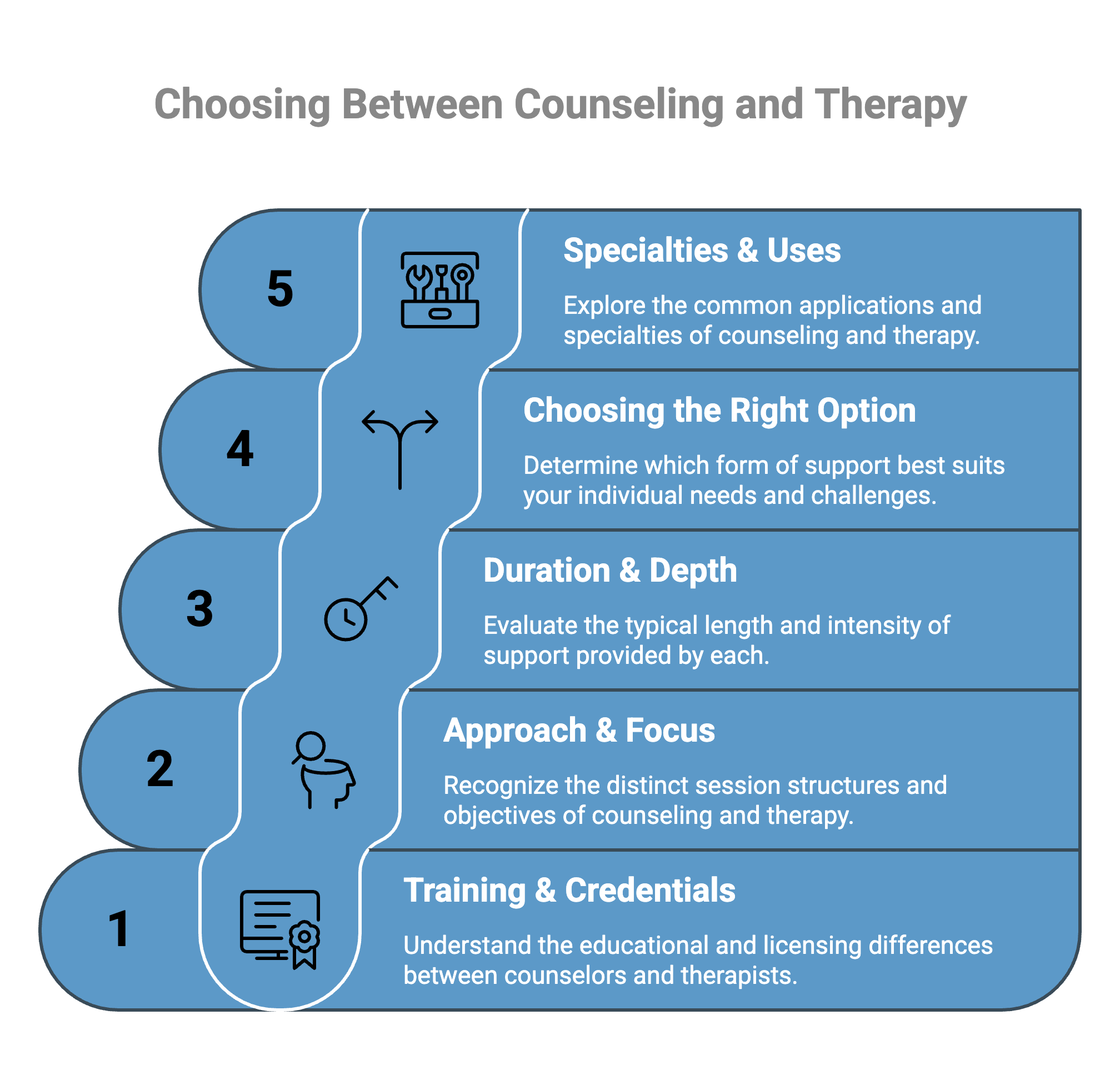
Although counseling and therapy are often used interchangeably, they serve slightly different purposes within mental health support.
To better understand these distinctions, it helps to look at several key factors that separate counseling and therapy in practice and how each form of support is typically used.
1. Training, Education, and Credentials
The professional qualifications of counselors and therapists can vary based on their education, specialization, and licensing requirements. These credentials often determine the type of support they provide and the scope of mental health issues they are trained to address.
Counselors typically hold degrees in counseling or a related field and are trained to provide guidance for life challenges such as stress, career decisions, or relationship concerns.
Therapists often complete broader clinical training and licensing that allows them to address complex emotional and psychological conditions.
2. Approach and Focus in Sessions
The overall structure and objectives of counseling and therapy sessions often differ depending on the nature of the support being provided and the goals individuals hope to achieve through the process.
Counseling sessions generally focus on present-day concerns and practical coping strategies that help individuals navigate specific challenges.
Therapy sessions usually involve deeper exploration of emotions, thought patterns, and behaviors to better understand underlying psychological factors affecting long-term well-being.
3. Duration and Depth of Support
Another key distinction between counseling and therapy lies in the duration and depth of the support provided. The length of engagement often reflects the complexity of the issues being addressed.
Counseling is often short-term and designed to help individuals work through specific life situations or temporary challenges.
Therapy may extend over a longer period and focus on deeper emotional patterns, past experiences, and ongoing mental health concerns that require sustained support.
4. Choosing the Right Option
Selecting between counseling and therapy often depends on the type of emotional support someone needs and the nature of the challenges they are facing in their daily life.
Counseling can be helpful for people seeking guidance through situational problems, stress management, or decision-making.
Therapy may be more suitable for individuals experiencing persistent emotional struggles, trauma, relationship patterns, or more complex mental health conditions.
5. Specialties and Common Uses
Counseling is commonly used for stress management, grief support, life transitions, and relationship guidance. When comparing grief counseling vs grief therapy, counseling often focuses on coping strategies and emotional support following loss.
Therapy is often sought for couples therapy, trauma recovery, anxiety or mood-related concerns, and deeper emotional issues that benefit from structured psychological treatment. In relationship support, people sometimes explore couples therapy vs counseling to understand the different approaches available.
Counselling vs Therapy: At a Glance
Understanding the difference between counselling and therapy can help you choose the right type of support based on your needs. While both aim to improve mental well-being, they differ in focus, depth, and approach. Here’s a simple comparison to guide your decision.
| Aspect | Counselling | Therapy |
|---|---|---|
| Training & Credentials | Typically trained in counselling with a focus on guidance and life challenges | Broader clinical training to address complex psychological conditions |
| Focus of Sessions | Present-day issues and practical coping strategies | Deep exploration of emotions, behaviours, and thought patterns |
| Duration | Short-term, goal-oriented support | Long-term support for deeper emotional and mental health concerns |
| Best For | Stress, life transitions, relationships, decision-making | Trauma, anxiety, depression, and persistent emotional challenges |
| Approach Depth | Surface-level problem solving and guidance | In-depth psychological healing and behavioural change |
| Common Use Cases | Grief support, career guidance, and everyday stress | Couples therapy, trauma recovery, mental health treatment |
Choosing between counselling and therapy depends on the level of support you need. Understanding these differences can help you take a more confident step towards the right kind of care.
How Can Total Life Counseling Support Your Mental Health Journey?
At Total Life Counseling, we believe that everyone deserves compassionate, accessible mental health support. Our experienced team is dedicated to helping individuals, couples, and families work through challenges while building healthier emotional foundations and stronger relationships.
We provide a wide range of services, including individual therapy, couples counseling, and family support, all tailored to your unique needs and goals. Our professionals bring diverse expertise and a shared commitment to guiding people through life’s challenges with understanding and care.
Taking the first step toward support can feel overwhelming, but you don’t have to face it alone. With the right guidance and a supportive environment, you can begin creating a healthier, more balanced future. Contact us today!
Conclusion
Understanding the distinctions between counseling and therapy is essential for seeking the right support. While both aim to improve mental well-being, they serve different purposes and employ unique techniques tailored to individual needs. By grasping these differences, you can make informed decisions about your mental health journey.
Whether you opt for counseling’s supportive guidance or the deeper exploration of therapy, prioritizing your mental health is a vital step toward personal growth and resilience. If you’re ready to take that step, reach out for a consultation today and find the best approach that suits you.
Frequently Asked Questions
How do I decide whether I need counseling or therapy for mental health support?
Deciding between counseling and therapy often depends on the depth of your concern. Counseling usually helps with short-term challenges like stress, life transitions, or decision-making. Therapy may focus on deeper emotional patterns, trauma, or long-standing mental health conditions requiring longer-term psychological support.
Are counselors and therapists trained differently?
Yes, counselors and therapists may have different educational backgrounds and training. Therapists often complete advanced clinical education focused on diagnosing and treating mental health conditions, while counselors typically specialize in guidance, coping strategies, and helping individuals manage specific life challenges.
Is counseling better for short-term issues compared to therapy?
Counseling is generally designed for short-term concerns such as stress, decision-making, or relationship conflicts. It focuses on practical solutions and coping strategies. Therapy, on the other hand, may be more suitable for long-term emotional patterns or deeper psychological issues that require ongoing exploration.
Does therapy usually go deeper than counseling sessions?
Yes, therapy often involves deeper psychological exploration. While counseling may focus on addressing specific problems and providing guidance, therapy typically examines underlying emotions, past experiences, and behavioral patterns that may influence mental health and relationships over time.
What are the 3 C’s in counseling?
The three C’s in counselling are commonly care, compassion, and communication. These principles help build trust between the counselor and client, encourage open emotional expression, and support a safe environment where individuals can discuss challenges and work toward personal growth.
What’s the difference between couples therapy and couples counseling?
Couples counseling typically focuses on practical relationship issues such as communication problems, conflict resolution, or specific disagreements. Couples therapy often explores deeper emotional patterns, relationship histories, and psychological dynamics that may influence how partners interact.
Counselor vs Therapist vs Psychotherapist: What’s the Difference?
A counselor usually helps individuals manage specific life challenges and short-term concerns. A therapist provides treatment for mental health conditions and emotional difficulties. A psychotherapist uses structured psychological techniques to explore deeper emotional patterns, trauma, and long-term behavioral change.
Filed in: Therapy
Share This Story, Choose Your Platform!
Total Life Counseling Center consists of Licensed Counselors, masters level therapists, Español counselors, Licensed Mental Health Counselors, business coaches, and image enhancement coaches who provide counseling for emotional, mental, physical and spiritual care including marriage, individual, family, substance abuse and more. TLC’s family, trauma and marriage experts have been interviewed on National and Local TV/Radio over 200 times for their expert advice on Fox News, OWN, WETV, ABC’s Medical Minute and more. Our skilled counselors are relational, approachable and specialists providing therapy services in the Central Florida area including: Orlando, Winter Park, MetroWest, Windermere, Dr. Phillips, East Orlando, Lake Mary, and Clermont, Boca Raton Florida, and Dallas, TX.
About the Author: SeoSurge

Related Posts