

Lake Mary Depression Counseling. We offer Adult Teen Depression Treatment Counseling Services Lake Mary – Therapists and Counselors give tools to deal with depression Orlando Lake Mary
As Seen on TV
Depression Therapy
Millions of Americans suffer from depression and do not even realize they are suffering from this disorder. This condition will often affect not only the person suffering from depression but the ones most close to them. Major depression can devastate a home, family or life of the one dealing with it. Our Depression Counselors in Lake Mary have experience and compassion in helping someone with mild to severe depression. We help our clients understand the signs and symptoms of depression and have a structured protocol for depression treatment. Our Lake Mary therapists can also help with teen depression.
The causes of depression are unique to each person but we do know how to help someone with depression. If you know someone or if you need help overcoming depression, call us so we can counsel you on how to cope with depression and how to cure depression.Depressed- Young- Couple
“Depressed Young Couple” by David Castillo Dominici “Image courtesy of [David Castillo Dominicil] / FreeDigitalPhotos.net”
Probably the worst thing about depression is that a lot of the torment and agony are needless. The majority of people suffering from this illness do not seek help and do not realize that their illness is treatable.
Definition of depression: According to dictionary.reference.com: This is a condition of general emotional dejection and withdrawal; sadness greater and more prolonged than that warranted by any objective reason. A depressive disorder effects the complete body not just the mind. It effects thoughts, mood emotions and how someone feels physically.
Types of Depression For a more detailed list, please visit Total Life Counseling Depression Services page.
Child or Teen Depression
Bipolar Depression
Dysthymia
Major Depression
TV Media Interviews our Depression Experts in the News
Call one of our Marriage Experts for a 15 Minutes Complimentary Phone Consultation – (407) 248-0030
Depression Facts
Depression Symptoms and Signs of Depression
Not everyone who is depressed experiences every symptom. Some people experience a few symptoms, some many. Also, severity of symptoms varies with individuals.
- Persistent sad, anxious, or “empty” mood
- Feelings of hopelessness, pessimism
- Feelings of guilt, worthlessness, helplessness
- Loss of interest or pleasure in hobbies and activities that were once enjoyed, including sex
- Insomnia, early-morning awakening, or oversleeping
- Appetite and/or weight loss or overeating and weight gain
- Decreased energy, fatigue, being “slowed down”
- Thoughts of death or suicide, suicide attempts
- Restlessness, irritability
- Difficulty concentrating, remembering, making decisions
- Persistent physical symptoms that do not respond to treatment, such as headaches, digestive disorders, and chronic pain
How to help someone with depression If you or someone you know have more than 4 of these symptoms, our Lake Mary therapist would be happy to talk to you and give you the help you need. 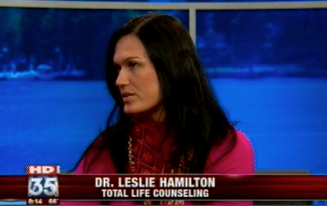
Finding the right counselor! We take the guesswork out of finding the right counselor! Total Life Counseling Center provides therapy for depression and support for depression in Lake Mary and Central Florida. We have several counselors and therapists who specialize in adult counseling for depression and teenager counseling for depression. Call us today to get the help you need.
Major depression is manifested by a combination of symptoms (see symptom list) that interfere with the ability to work, sleep, eat, and enjoy once pleasurable activities. These disabling episodes of depression can occur once, twice, or several times in a lifetime.
A less severe type of depression, dysthymia, involves long-term, chronic symptoms that do not disable, but keep you from functioning at “full steam” or from feeling good. Sometimes people with dysthymia also experience major depressive episodes.
Another type is bipolar disorder, formerly called manic-depressive illness. Not nearly as prevalent as other forms of depressive disorders, bipolar disorders involve cycles of depression and elation or mania. Sometimes the mood switches are dramatic and rapid,
but most often they are gradual. When in the depressed cycle, you can have any or all of the symptoms of a depressive disorder. Mania often affects thinking, judgment, and social behavior in ways that cause serious problems and embarrassment. For example, unwise business or financial decisions may be made when an individual is in a manic phase. Bipolar disorder is often a chronic recurring condition.
- Persistent sad, anxious, or “empty” mood
- Feelings of hopelessness, pessimism
- Feelings of guilt, worthlessness, helplessness
- Loss of interest or pleasure in hobbies and activities that were once enjoyed, including sex
- Insomnia, early-morning awakening, or oversleeping
- Appetite and/or weight loss or overeating and weight gain
- Decreased energy, fatigue, being “slowed down”
- Thoughts of death or suicide, suicide attempts
- Restlessness, irritability
- Difficulty concentrating, remembering, making decisions
- Persistent physical symptoms that do not respond to treatment, such as headaches, digestive disorders, and chronic pain
Getting Help
If you have a combination of at least four of the above symptoms, which have lasted for two or more weeks, you may be suffering from the illness of depression. There is effective help available for treating depression, please seek professional assistance before the condition worsens.
Suicide rate for girls climbs 76%, CDC says
Greg Bluestein | the Associated Press
September 7, 2007
ATLANTA – The suicide rate among preteen and young teen girls increased 76 percent, a disturbing sign that federal health officials say they can’t fully explain.
For all young people from 10 to 24, the suicide rate rose 8 percent from 2003 to 2004 — the biggest single-year increase in 15 years — in what one official called “a dramatic and huge increase.”
The report, based on the latest numbers available, was released Thursday by the Centers for Disease Control and Prevention and suggests a troubling reversal in recent trends. Suicide rates had fallen by 28.5 percent since 1990 among young people.
The biggest increase — about 76 percent — was in the suicide rate for 10- to 14-year-old girls. There were 94 suicides in that age group in 2004, compared with 56 in 2003. The rate is still low — fewer than one per 100,000 population.
Suicide rates among older teen girls, those 15 to 19, shot up 32 percent; rates for males in that age group rose 9 percent.
“In surveillance speak, this is a dramatic and huge increase,” Dr. Ileana Arias said of the overall picture. She is director of the CDC’s National Center for Injury Prevention and Control.
More research is needed to determine whether this is a trend or just a blip, said one child psychiatrist, Dr. Thomas Cummins of Children’s Memorial Hospital in Chicago. “We all need to keep our eye on this over time to see if this is a continuing trend.”
Overall, there were 4,599 suicides among young people in 2004, making it the third-leading cause of death, surpassed by car crashes and homicides, Arias said. Males committed suicide far more often than females, accounting for about three-quarters of suicides in this age group.
Total Life Counseling Center provides therapy for depression and support for depression in the Orlando, Winter Park, Lake Mary, and Clermont area. We have several counselors who specialize in adult counseling for depression and teenager counseling for depression. Total Life Care Counseling Center has therapists who treat depression in Orlando, Winter Park, Lake Mary, and Clermont Florida. Call us today if you need help.

Which Marriage and Family Therapists in Orlando Should You Consider?
Key Highlights Marriage and family therapy focuses on relationships, communication, and system dynamics. The Gottman Method is one of the most effective approaches for couples therapy. Local Orlando therapists provide more personalized and consistent [...]

Which Bipolar Disorder Therapists in Orlando Are Best?
Key Highlights Bipolar disorder therapy focuses on mood stability and emotional regulation. Cognitive Behavioral Therapy (CBT) is commonly used to manage bipolar symptoms. Local Orlando therapists provide more consistent and personalized care. Choosing the [...]

Addiction Therapists in Orlando: Who Are the Best?
Key Highlights Addiction therapy focuses on behavior patterns, triggers, and long-term recovery. CBT and trauma-informed therapy are commonly used in addiction treatment. Local Orlando therapists provide more personalized and consistent support. Many addiction challenges [...]

What Are 10 Simple Ways for a Mental Health Reset?
Key Highlights A mental health reset involves simple coping strategies you can use in your daily life. Quick activities like mindful walking or deep breathing can provide an instant mood boost. Taking a break from [...]

Prioritize Self-Care: Mental Health Awareness Month Tips
Introduction May is Mental Health Awareness Month, a national event dedicated to raising awareness about mental health and empowering individuals to prioritize their mental wellness. Since its inception in 1949, Mental Health Awareness Month [...]

How ADHD and Social Media Impact Focus and Behavior?
Key Highlights ADHD and social media are closely linked, especially among young adults with high digital media use. Social media triggers short-term reward loops, making focus and self-control harder for ADHD brains. It does [...]

Who Are the Top Orlando Therapists for Depression in 2026?
Key Highlights The article highlights top Orlando therapists for depression based on specialties, approach, and client fit Each therapist offers a different style of care, including structured, trauma-informed, and assessment-based support Choosing the right [...]
What Are the Latest Cyberbullying Statistics in 2026?
Key Highlights Cyberbullying affects children, teens, and adults, mostly through social media, messaging apps, and online gaming. Common types include threatening messages, rumors, embarrassing posts, impersonation, and exclusion. About 58% of students have experienced [...]

What Is Cyberbullying and How Can You Stop It?
Key Highlights Cyberbullying is repeated online harassment via messages, posts, or fake accounts It is 24/7, public, and hard to escape compared to offline bullying Common forms include harassment, impersonation, exclusion, and cyberstalking Victims [...]