

What are the Hidden Signs of PTSD from Medical Trauma?
Key Highlights
- Medical trauma can lead to PTSD when a person feels helpless, unsafe, or emotionally overwhelmed during a medical event, even if the procedure itself was routine.
- PTSD from medical trauma often shows up as fear of hospitals, emotional numbness, flashbacks, or anxiety triggered by sounds, smells, or settings linked to the experience.
- Symptoms can be subtle, including sleep problems, avoidance of care, emotional withdrawal, and physical pain with no clear medical cause.
- PTSD is different from normal recovery; while typical stress fades over time, PTSD symptoms persist, worsen, or interfere with daily life.
- Symptoms can last for months or years if left untreated, and may appear weeks or even months after the trauma has occurred.
- TLC in Tampa offers a safe, supportive space for healing, with trauma-informed therapy approaches such as ART.
Most people associate PTSD with combat or major accidents, but what happens when the trauma comes from the very place meant to heal you? Medical trauma is a lesser-known but deeply impactful experience where routine procedures, emergency surgeries, or prolonged hospital stays leave lasting emotional scars. According to a study, 1 in 4 patients suffering traumatic injuries end up with PTSD.
So, if you have been wondering, can medical trauma cause PTSD? The answer is yes. While the physical wounds may heal, the psychological ones often remain hidden, showing up in subtle and easily overlooked ways. In this blog, we uncover the hidden signs of PTSD from medical trauma, so you or someone you care about can begin to recognize the symptoms and start the path toward true healing.
What is PTSD due to Medical Trauma?
PTSD due to medical trauma is a psychological condition that develops after a person experiences a distressing or life-threatening medical event. This could involve a sudden emergency, invasive surgery, chronic illness, or even poor treatment experiences. Unlike general stress, this type of is rooted in the emotional impact of medical care itself, and the triggers are often linked to hospitals, procedures, or even specific sounds and smells from the experience.
Here are the key aspects of PTSD from medical trauma:
- Intense fear or panic triggered by medical environments or reminders
- Avoidance of healthcare settings, even when care is needed
- Intrusive memories or flashbacks of the medical event
- Emotional numbness or feeling disconnected from others
- Sleep disturbances and heightened anxiety or irritability
- Difficulty trusting medical professionals or following treatment plans
Why Do Some People Develop PTSD After Routine Medical Procedures?
Not every traumatic medical experience involves a life-threatening emergency. Sometimes, the experience becomes traumatic because of how powerless, frightened, or overwhelmed someone felt in the moment rather than the procedure itself.
Many people who develop PTSD from medical trauma describe feeling that events happened too quickly, risks were not fully explained, choices were limited, or there was little opportunity to ask questions before treatment began.
For others, the most difficult part was not the pain itself. It was waking up confused after surgery, not understanding what had happened, or feeling unable to communicate during moments of fear or distress.
This is one reason why two people can go through the same procedure and have very different emotional responses afterward. Medical trauma and PTSD are often shaped as much by fear and loss of control as by the medical event itself.
Can Feeling Dismissed by Healthcare Professionals Cause Medical Trauma?
For some people, the trauma was not only the illness, procedure, or emergency itself. It was the experience of feeling unheard during one of the most vulnerable moments of their lives.
Many cases of medical trauma and PTSD involve experiences such as:
- Feeling dismissed when raising concerns or describing symptoms
- Having symptoms questioned or not believed
- Experiencing delays in diagnosis despite repeated requests for help
- Being told that symptoms are “just anxiety” without further investigation
- Feeling that pain or discomfort was minimised or ignored
Over time, these experiences can affect a person’s trust in healthcare professionals and make future appointments feel stressful or unsafe. In some cases, PTSD from medical trauma develops not only because of what happened medically, but because of how alone, unheard, or unsupported someone felt while it was happening.
How Medical Trauma Can Lead to PTSD?
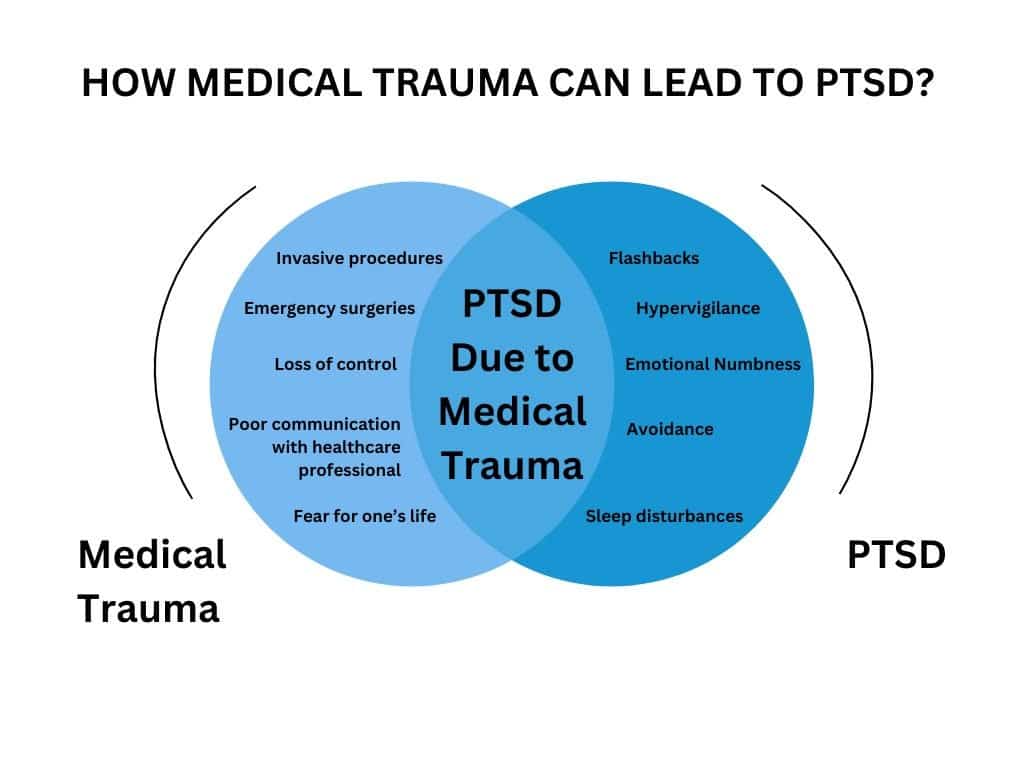
Medical trauma can quietly unravel a person’s sense of safety and trust, not just in the medical system or healthcare professionals like doctors or clinicians, but in their own body. When someone undergoes a frightening or invasive medical experience, especially without clear communication or emotional support, it can feel like their autonomy is stripped away. The sterile environment, unfamiliar procedures, and moments of pain or hopelessness can leave deep psychological wounds.
For some, it is not just in what happened, but in how alone, confused, or powerless they felt in the midst of it. These are not just bad memories; they are unresolved emotional injuries that can haunt the nervous system long after physical recovery. Over time, this internalized fear can harden into PTSD. Sometimes, experiencing multiple traumatic events can lead to a more complicated form of PTSD, which is called CPTSD.
A seemingly simple checkup might trigger racing heartbeats or panic. A hospital corridor might stir overwhelming dread. People may avoid medical care altogether, risking their health to escape the emotional toll. The body may have healed, but the mind remains on high alert, reliving moments that felt life-threatening or violating.
What are the Hidden Signs of PTSD After Medical Trauma?
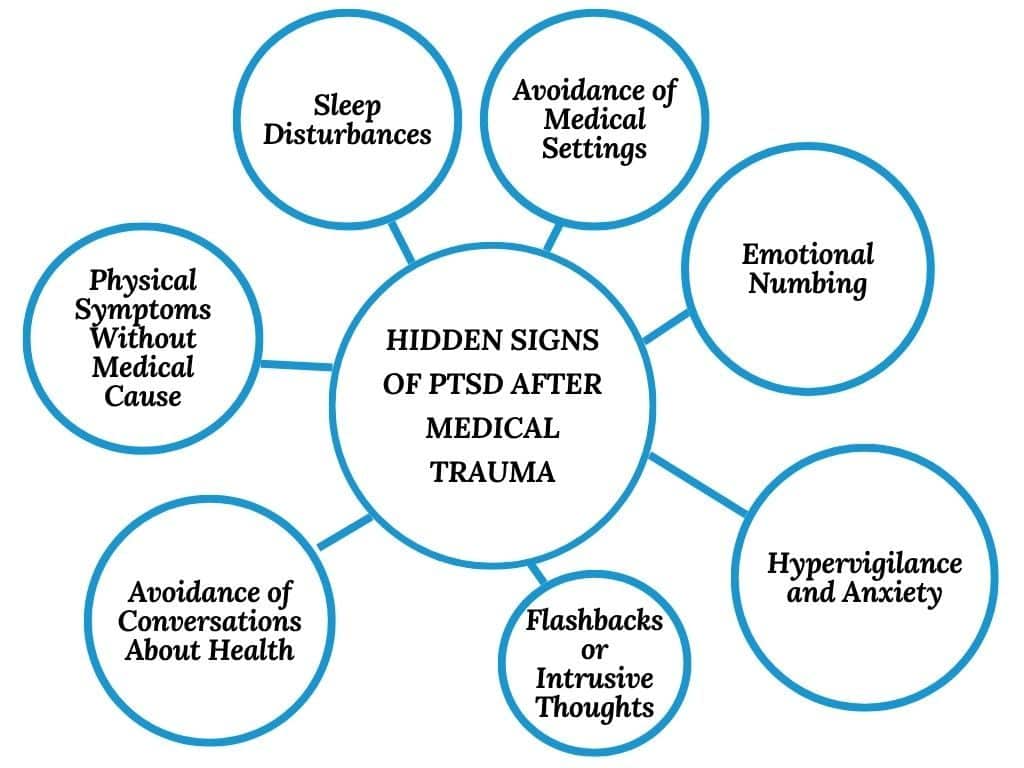
After a traumatic medical experience, the emotional impact often lingers long after the body has healed. PTSD after medical trauma can be especially difficult to recognize because the PTSD symptoms are not always obvious or dramatic. Instead, they may manifest in subtle, easily overlooked ways that gradually interfere with daily life. Here are some of the hidden signs to watch for:
1. Avoidance of Medical Settings
One of the most common yet unnoticed signs is a strong urge to avoid anything related to healthcare. This might include skipping doctor appointments, refusing necessary procedures, or even feeling physically ill at the thought of visiting a hospital. What appears to be procrastination or negligence is often a protective response to overwhelming fear.
2. Emotional Numbing
People who have experienced medical trauma may begin to shut down emotionally. They might seem distant, unresponsive, or uninterested in activities they once enjoyed. This emotional flatness is a coping mechanism; by dulling their feelings, they attempt to avoid the pain associated with the trauma.
3. Hypervigilance and Anxiety
A constant sense of being on edge, difficulty relaxing, or an exaggerated startle response can all indicate hypervigilance. This is the brain’s way of staying on high alert to avoid further threats, even when the danger has long passed. These symptoms are especially common in quiet moments, at night, or in environments that resemble a medical setting.
4. Sleep Disturbances
PTSD often disrupts sleep, but in medical trauma cases, the cause may not be obvious. Nightmares, insomnia, or waking up in a panic can all stem from subconscious fears tied to the traumatic experience. Over time, lack of rest can amplify other symptoms like irritability and fatigue.
5. Flashbacks or Intrusive Thoughts
Even if someone isn’t fully aware of them, flashbacks and intrusive memories can be a major part of medical PTSD. These might be triggered by sounds (like a beeping monitor), smells (such as antiseptics), or even certain types of lighting. The person may not always recognize the connection, but the body reacts as if the trauma is happening again.
6. Avoidance of Conversations About Health
Not wanting to talk about their past medical experience, or brushing it off with humor or silence, is another hidden indicator. This kind of emotional avoidance often stems from the fear that revisiting the event will bring back the same distress they once felt.
7. Physical Symptoms Without Medical Cause
Some individuals may report unexplained aches, pains, or gastrointestinal issues that have no clear medical explanation. These psychosomatic symptoms are the body’s way of expressing unresolved emotional trauma, and they can be just as disruptive as physical illness.
Our TLC Therapy in Tampa can be tailored specifically to support healing from medical trauma and its lingering emotional effects.
How Can Childhood Medical Trauma Affect Adults Years Later?
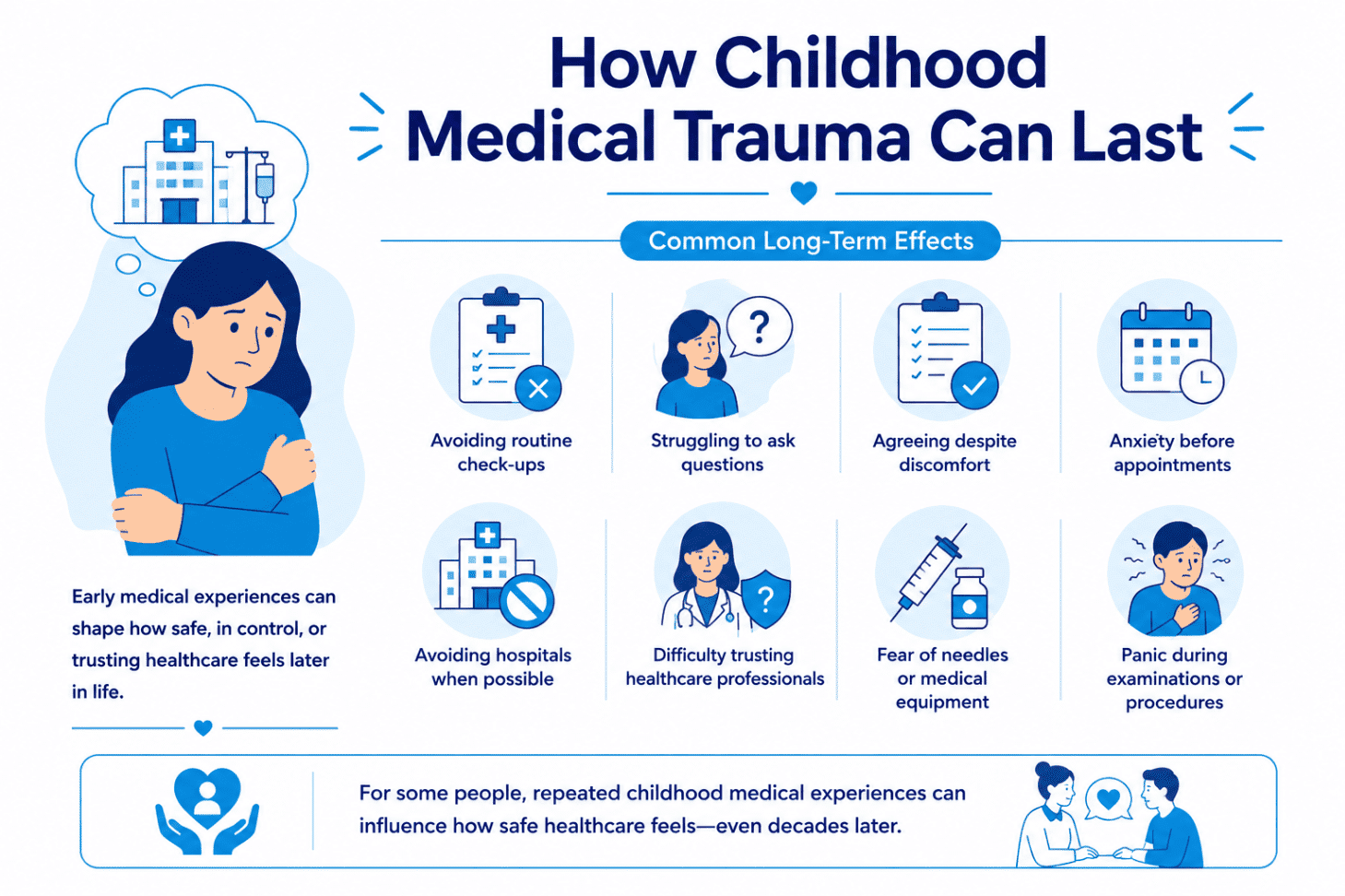
Some adults with PTSD from medical trauma discover that their fears began long before adulthood.
Repeated hospital stays, painful procedures, chronic illnesses, or medical treatments during childhood can affect how someone experiences safety, trust, and control around healthcare. Many children were too young to understand what was happening or why treatment was necessary.
Years later, childhood medical trauma and PTSD may show up as:
- Putting off routine check-ups or important tests.
- Feeling unable to ask questions or speak up during appointments.
- Agreeing to procedures despite feeling uncomfortable or overwhelmed.
- Becoming anxious days before medical appointments.
- Avoiding hospitals unless absolutely necessary.
- Struggling to trust healthcare professionals after past experiences.
- Feeling panic when faced with examinations, needles, or medical equipment.
For some people, these experiences are linked to complex PTSD, childhood medical trauma, where repeated medical experiences, rather than a single event, shaped how safe healthcare environments feel even decades later.
Can Repeated Medical Experiences Lead to Complex PTSD?
While PTSD often develops after a single traumatic event, repeated medical experiences can sometimes contribute to complex PTSD from medical trauma.
This can happen after years of surgeries, ongoing treatments, repeated hospital admissions, chronic illness management, or childhood medical experiences that took place over long periods of time.
Unlike trauma linked to one specific event, the distress may become tied to healthcare environments themselves. Hospitals, medical equipment, appointment reminders, or even routine check-ups can begin to trigger feelings of fear, helplessness, or loss of control.
Some people also describe feeling constantly on edge about future health problems, becoming hyper-aware of bodily symptoms, or avoiding medical care altogether to prevent reliving those experiences.
This can be particularly relevant for people with complex PTSD from childhood medical trauma, where repeated exposure rather than a single event shaped how safe medical settings feel long after treatment has ended.
Why Does Waiting for Results or Appointments Feel So Overwhelming?
For many people with PTSD from medical trauma, the hardest part is not always the procedure itself. Sometimes, it is the waiting.
Waiting for biopsy results, scans, surgery dates, follow-up appointments, or test outcomes can bring back the same fear and uncertainty they experienced during previous medical events. Even when there is no immediate danger, the mind and body may react as if another crisis is about to happen.
This can show up as:
- Constantly checking patient portals, emails, or phones for updates.
- Struggling to focus on work or daily routines while waiting for results.
- Replaying worst-case scenarios despite reassurance from doctors.
- Feeling unable to relax until an appointment or test is over.
- Experiencing sleep problems or increased irritability in the days leading up to appointments.
- Feeling relief after receiving results, only for anxiety to return before the next test or review.
This can be particularly common for people who have experienced cancer treatment, chronic illness, emergency hospitalizations, or previous medical complications, where waiting itself became associated with life-changing situations or difficult decisions.
For some people, it is not the appointment they fear most. It is the uncertainty that comes before it.
How to Distinguish PTSD from Normal Recovery Reactions?
After a difficult medical experience, it’s natural to feel shaken, emotional, or even fearful for a while. These are part of the body’s normal response to stress and usually fade with time. However, when those reactions persist, intensify, or interfere with daily life, it could be a sign of PTSD. Recognizing the difference between typical recovery and a trauma response is the first step toward getting the right support. Here’s a comparison to help distinguish between the two:
|
Normal Recovery Reactions |
PTSD From Medical Trauma |
|---|---|
|
Feeling upset or emotional for a few days or weeks |
Symptoms continue for more than a month |
|
Temporary anxiety before appointments |
Intense fear or panic around medical settings |
|
Occasional memories of the experience |
Intrusive memories, flashbacks, or nightmares |
|
Gradually feeling safer over time |
Symptoms stay the same or become stronger |
|
Able to attend follow-up care despite discomfort |
Avoiding doctors, hospitals, or medical treatment |
|
Stress decreases as physical recovery improves |
Emotional distress continues even after physical healing |
|
Daily routines return to normal |
Work, relationships, or daily life are affected |
If fear, avoidance, or distress continue long after physical recovery, it may be more than a normal reaction. Recognizing these patterns early can make it easier to seek support and begin healing.
Is Medical Trauma PTSD the Same as Health Anxiety?
Medical trauma PTSD and health anxiety can sometimes look similar, but they often come from very different experiences.
Medical trauma PTSD is usually connected to a past medical event that felt frightening, overwhelming, or unsafe. Health anxiety, on the other hand, is often driven by worries about future illness or the possibility of something being wrong.
|
Medical Trauma PTSD |
Health Anxiety |
|---|---|
|
Triggered by a past medical experience |
Triggered by fears about future illness |
|
Often linked to specific memories or events |
Often linked to uncertainty and “what if” thinking |
|
Medical settings or reminders may trigger distress |
Bodily sensations may trigger distress |
|
May involve flashbacks or intrusive memories |
Often involves frequent symptom checking |
|
Avoidance of hospitals, doctors, or treatment |
Reassurance seeking through appointments or tests |
|
Fear is often connected to what has already happened |
Fear is often connected to what might happen |
Some people may experience elements of both, especially after serious illness or difficult medical experiences. Understanding the difference can help ensure you receive the support that best fits your experience.
Call for a Complimentary 15 Minute Phone Consultation
Se Habla Español: We have Portuguese and Spanish speaking counselors as well.
The Timeline: How Long Do Symptoms Last?
The duration of PTSD symptoms after medical trauma can vary widely from person to person. Some may begin experiencing symptoms immediately after the event, while for others, the emotional impact may not surface until weeks or even months later.
In many cases, early symptoms like anxiety, hypervigilance, or emotional distress may fade naturally within a few weeks. This is considered part of a normal stress response. However, when symptoms persist beyond a month, intensify over time, or begin to interfere with daily life, it may indicate the development of PTSD.
Without proper recognition and support, PTSD symptoms can last for months or even years. Some individuals may experience chronic PTSD, which is a long-term mental health condition in which the symptoms remain consistently distressing, while others might go through waves of intense episodes triggered by reminders of their trauma. For those struggling with lasting fear and panic, TLC offers specialized anxiety therapy designed to address both the root trauma and the ongoing emotional challenges. Healing is possible at any stage, but the key lies in early intervention, trauma-informed care, and seeking professional help when emotional wounds don’t seem to heal alongside the physical ones.
Can Medical Trauma Affect Family Members and Loved Ones, Too?
Medical trauma and PTSD not only affect the person receiving treatment.
Parents of children with serious illnesses, partners who witness medical emergencies, and family members who spend weeks in hospitals can sometimes develop their own trauma responses. This can be particularly common after ICU admissions, emergency surgeries, life-threatening diagnoses, or prolonged hospital stays.
Some loved ones find themselves replaying conversations with doctors, staying alert for signs that something might be wrong again, or becoming highly anxious about future appointments and health concerns. Others may avoid hospitals altogether or struggle when returning to places connected to the experience.
For families, recovery often involves recognizing that the medical event may have affected everyone differently, even if only one person received treatment.
Why Do Some People Become Fiercely Independent After Medical Trauma?
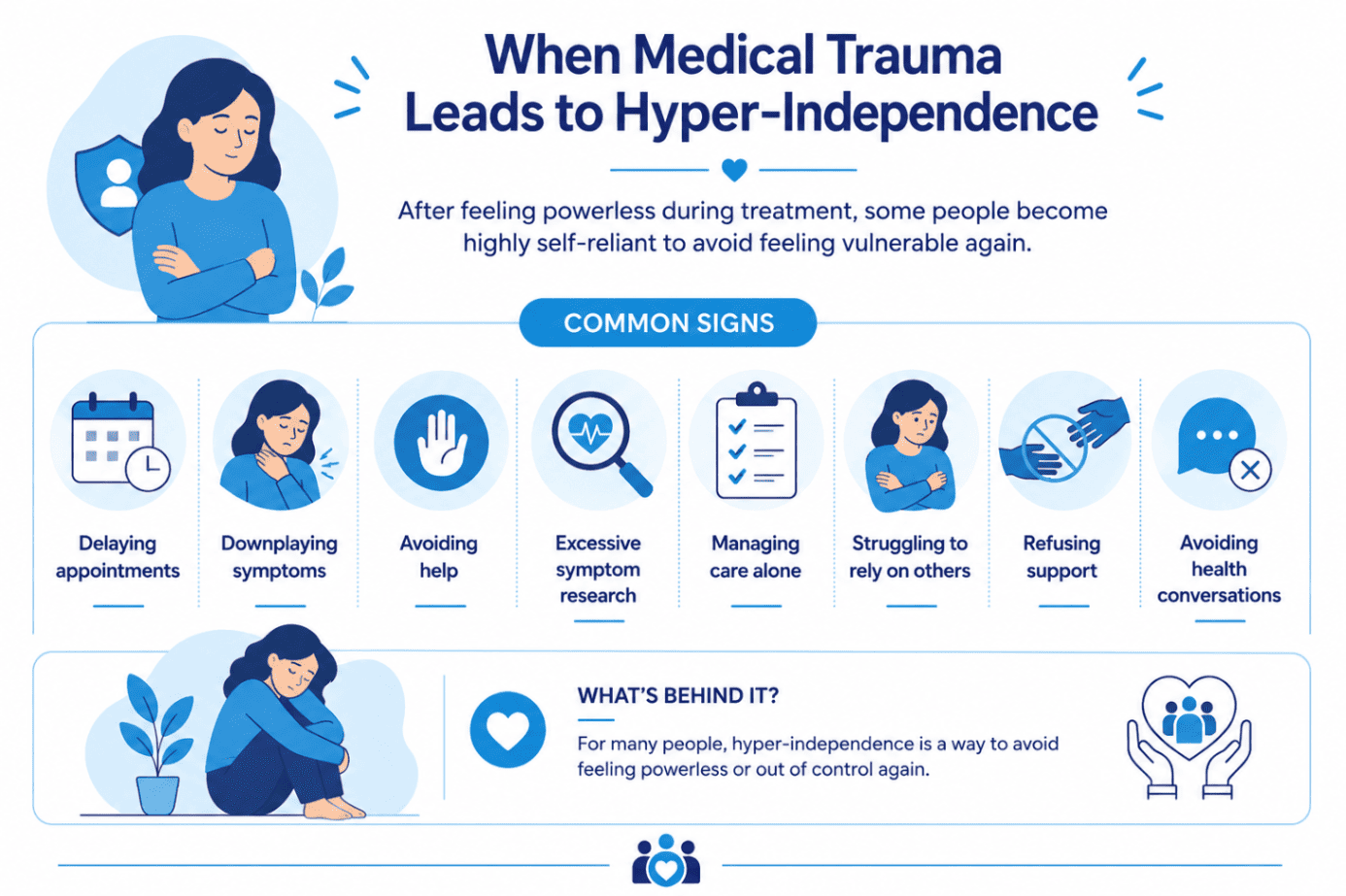
After feeling vulnerable, dependent, or powerless during treatment, some people respond by becoming extremely self-reliant.
For some, this becomes a way of avoiding situations where they might feel helpless or lose control again. Hyper-independence after medical trauma may show up as:
- Delaying medical appointments even when symptoms are worsening.
- Downplaying pain or symptoms to avoid further tests or treatment.
- Avoiding asking family members or friends for help during recovery.
- Researching symptoms obsessively rather than speaking to a healthcare professional.
- Insisting on managing appointments, treatments, or decisions alone.
- Feeling uncomfortable relying on others for care or support.
- Refusing assistance even when it would make recovery easier or safer.
- Avoiding conversations about health concerns altogether.
While these behaviors can feel protective, they can sometimes lead to delayed treatment, increased stress, and carrying health concerns alone for longer than necessary.
For some people with PTSD from medical trauma, hyper-independence is less about not needing support and more about trying to avoid experiencing that same vulnerability or loss of control again.
Why Can Positive Healthcare Experiences Still Feel Threatening?
Many people feel confused when they have a kind doctor or a supportive healthcare team, but still experience panic, fear, or emotional distress during appointments.
PTSD from medical trauma does not always respond to logic. Sometimes the body reacts to the environment before the mind has time to recognize that this experience is different from previous ones.
A routine examination, a medical gown, the sound of equipment, or being asked to lie still during a procedure can trigger the same feelings of vulnerability or loss of control associated with earlier experiences.
Feeling anxious during a positive healthcare experience does not mean you are overreacting or failing to move on. It may simply mean your nervous system is responding to reminders of past experiences rather than the safety of the present moment.
How Can You Make Future Medical Appointments Feel Safer?
Recovery does not always mean feeling comfortable in medical settings overnight. For many people, it starts with finding ways to regain a sense of predictability and control during appointments.
Some practical strategies that people with PTSD from medical trauma find helpful include:
- Bringing a trusted friend or family member for support and advocacy.
- Asking healthcare providers to explain each step before it happens.
- Requesting extra time for questions instead of feeling rushed into decisions.
- Telling staff about specific triggers or previous difficult experiences, if you feel comfortable doing so.
- Agreeing on a signal to pause if you become overwhelmed during a procedure.
- Scheduling appointments earlier in the day to reduce time spent anticipating them.
- Asking for options wherever possible, such as sitting up during an examination or choosing the order of procedures.
- Reading appointment information in advance so there are fewer surprises on the day.
Not every strategy will work for everyone, and rebuilding trust in healthcare can take time. However, even small changes that increase choice, communication, and predictability can help medical settings feel less overwhelming and more manageable.
Why TLC Is a Safe Place to Heal PTSD from Medical Trauma?
At Total Life Counseling (TLC) in Tampa, provides a deeply compassionate and evidence-informed setting where clients find the safety and empowerment necessary to heal from medical trauma. Licensed counselors like Gemima McMahon at the center specialize in PTSD and trauma care for women, teens, and families, using proven, drug‑free approaches like Accelerated Resolution Therapy (ART)
TLC’s therapeutic environment is intentionally structured to be accepting, non‑judgmental, and person‑centered, ensuring clients feel truly heard, supported, and respected. TLC offers a warm space where empathy and understanding guide the process of recovery. This approach creates a foundation for deep emotional healing, helping clients reconnect with themselves and feel secure in their path forward. Schedule a free 15-minute consultation to see how we can help you heal.
Conclusion
Recognizing the hidden signs of PTSD from medical trauma is a crucial step toward healing, both emotionally and physically. What may seem like anxiety, avoidance, or emotional numbness could be the mind’s way of protecting itself after a deeply distressing experience. By understanding these subtle symptoms, we can begin to validate the pain, seek appropriate support, and create a path forward that honors both the body’s and the mind’s recovery. Medical trauma may be invisible to others, but with the right care, its grip doesn’t have to last forever. Healing is not only possible; it’s your right.
Licensed Counselors & Therapists
Meet Our Team of Certified & Experienced Professionals
Total Life Counseling Center consists of Licensed Counselors, Masters Level Therapists, Espanol Counselors, Licensed Mental Health Counselors, Business Coaches, Image Enhancement Coaches who provide counseling for emotional, mental, physical and spiritual care including marriage, individual, family, substance abuse and more. Our team of certified and experienced professionals, dedicated to serving a comprehensive spectrum of mental health and relationship issues such as couples, women and men’s issues, children and teens with oppositional defiance, video game addiction, ADHD, ASD, anxiety, depression, and trauma survivors, is here to support and guide you through your journey towards healing and navigating life transitions. This approach not only enhances the effectiveness of the counseling provided but also builds trust within the community and among potential clients, who may be seeking support.
We offer next level counselors specialized in areas such as relationships, video game & drug/alcohol addictions, abuse, trauma, depression, and ADHD. Our Therapists are EMDR (eye movement desensitization) trauma therapy trained, cognitive behavioral therapy, specialize in ADHD and Oppositional Defiant Children, and are also professional Gottman method marriage couples counselors to give the best results to couples and to provide the best comprehensive spectrum of mental health and relationship care for our clients.
Struggling with Anger? We offer 8 hour anger management group therapy!
Discounted Rates and the president of Total Life Counseling Center Jim West does not want to turn people away and we have counselors at various levels of experience at a discounted rate that are trained by our next level counselors!
Jim West
MA, LICENSED MENTAL HEALTH COUNSELOR, national certified counselor
President, Counselor, Guest Speaker, Author, Social Skills, ADHD, ODD, ASD, children, teens, and more!

Dana West
MSW, Licensed clinical social worker
Vice President, Counselor, Guest Speaker, Addictions, Trauma, Couples, Abuse, and more!

Mathew Martin
MS, LICENSED MENTAL HEALTH COUNSELOR
Counselor, Coach, Guest Speaker, Marriage, Individual Males, Substance Abuse and more!
Brandon Feinberg
MS, LICENSED MENTAL HEALTH COUNSELOR
Male Counselor, Licensed Mental Health Counselor specializing in ADHD, Asperger Syndrome, Autism Spectrum Disorders, and more!
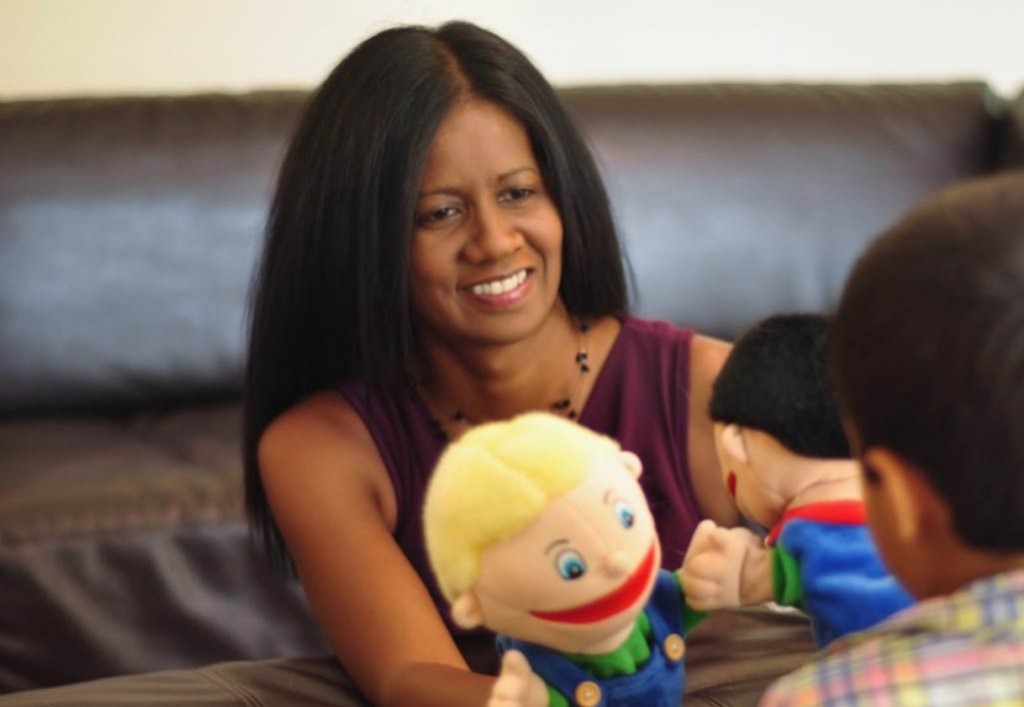
Lyris Steuber
MS, licesned marriage & family therapist
Counselor, Coach, Marriage & Family, Play Therapy, Divorce, Adolescent and more!

Valerie Ware
Licensed Psychologist and Behavioral Specialist
Psychological Evaluator, Autism, ADHD, Learning Disabilities, Anxiety, Gifted, Career Pathways, and emotional assessments.

Gemima McMahon
MA, LICENSED MENTAL HEALTH COUNSELOR
Licensed Mental Health Counselor specializing in Women’s issues, Trauma, Anxiety, Depression, Cutting, Couples, Children and Teenagers and more!

Audrey DeBruler
MS, LMHC, Licensed Mental Health Counselor
Children, Adolescents, Young Adults, Faith Based Counseling, Trauma Recovery, Anxiety and more!
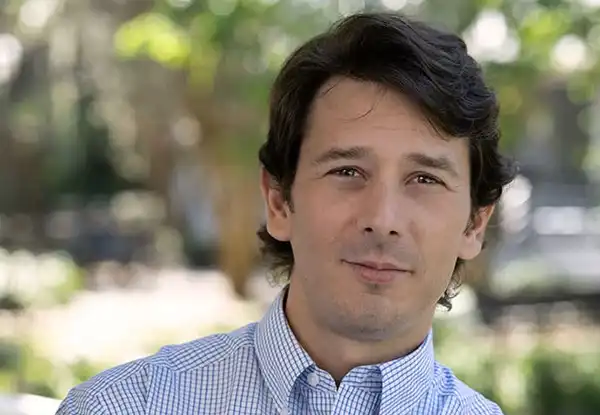
David Duany
MA, LICENSED MENTAL HEALTH COUNSELOR
Licensed Mental Health Counselor specializing in ADHD, Social Skills, and Anger Management counseling for children, young adults, and families.
Katherine Waldheim
MS, Registered Mental Health Counseling Intern
Trauma, anxiety, couples counseling, and child & adolescent counseling services and more!

Sarah Dornas Albuquerque
MS – Registered Mental Health Counselor Intern
EMDR, Anxiety, Depression, Children, Teens, Young Adults, English, Spanish and Portugues and Adult Counseling

Frequently Asked Questions
Can PTSD develop months or years after a medical event?
Yes, symptoms of medical trauma and PTSD can show up months or even years after going through a tough medical event. When people have repressed traumatic memories or ongoing anxiety from medical procedures, it can lead to what is called “medical PTSD.” Therapists and counselors are there to help. They can spot these delayed reactions and find ways to treat them.
What should I do if I think a loved one is showing hidden signs of PTSD?
If you think someone you care about has PTSD symptoms, try to get them to talk with a licensed counselor. Be there for them by keeping things open and honest when you talk. This basic support can make a good difference in their mental health journey.
How common is PTSD from medical trauma in the United States?
PTSD from medical trauma is more common than many people realise. Research suggests that around 20% of people who experience serious illness, injury, or intensive medical treatment develop symptoms of medical trauma and PTSD.
Can you recover from PTSD caused by medical trauma without professional help?
It is not likely that someone with severe PTSD will recover without help from a professional. It is important to have licensed mental health professionals and counselors to give complete care for those facing PTSD.
How is medical trauma diagnosed by mental health professionals?
Mental health professionals diagnose posttraumatic stress disorder using recognized diagnostic criteria from the Statistical Manual of Mental Disorders. They assess posttraumatic stress disorder symptoms, trauma exposure, symptom duration, and how they affect daily life, relationships, and quality of life.
What treatments are available for people with PTSD from medical trauma?
Treatment may include cognitive behavioral therapy, exposure therapy, eye movement desensitization, medication such as selective serotonin reuptake inhibitors, and other forms of mental health treatment or professional treatment tailored to an individual’s experiences and medical trauma PTSD symptoms.
Is there a connection between medical-related PTSD and physical health problems?
Yes. Medical traumatic stress can contribute to physiological responses such as changes in blood pressure and heart rate. Research also links untreated trauma with poorer physical health, chronic pain, and reduced overall quality of life.
Are there specific risk factors that make someone more likely to develop PTSD after a medical event?
Several risk factors may increase vulnerability, including previous types of trauma, existing anxiety disorders, a chronic condition, severe illness, frightening treatment experiences, memory problems, and a history of traumatic stress or posttraumatic stress.
What are some strategies for friends and family to support someone with medical trauma-related PTSD?
A helpful first step is listening without judgment and respecting boundaries. Encourage health care follow-up when needed, avoid dismissing fears as severe anxiety, and support access to a trusted health care provider for an accurate diagnosis if symptoms persist.
Can children experience PTSD from medical trauma, and how are their symptoms different from adults?
Yes. Medical trauma PTSD children can involve nightmares, behavioural changes, separation anxiety, regression, or fear of healthcare settings. Unlike adults, children may struggle to explain their feelings and instead show distress through play, mood changes, or physical complaints.
Filed in: Blog, Gemima McMahon, Updates
Share This Story, Choose Your Platform!
Total Life Counseling Center consists of Licensed Counselors, masters level therapists, Español counselors, Licensed Mental Health Counselors, business coaches, and image enhancement coaches who provide counseling for emotional, mental, physical and spiritual care including marriage, individual, family, substance abuse and more. TLC’s family, trauma and marriage experts have been interviewed on National and Local TV/Radio over 200 times for their expert advice on Fox News, OWN, WETV, ABC’s Medical Minute and more. Our skilled counselors are relational, approachable and specialists providing therapy services in the Central Florida area including: Orlando, Winter Park, MetroWest, Windermere, Dr. Phillips, East Orlando, Lake Mary, and Clermont, Boca Raton Florida, and Dallas, TX.
About the Author: Gemima McMahon