

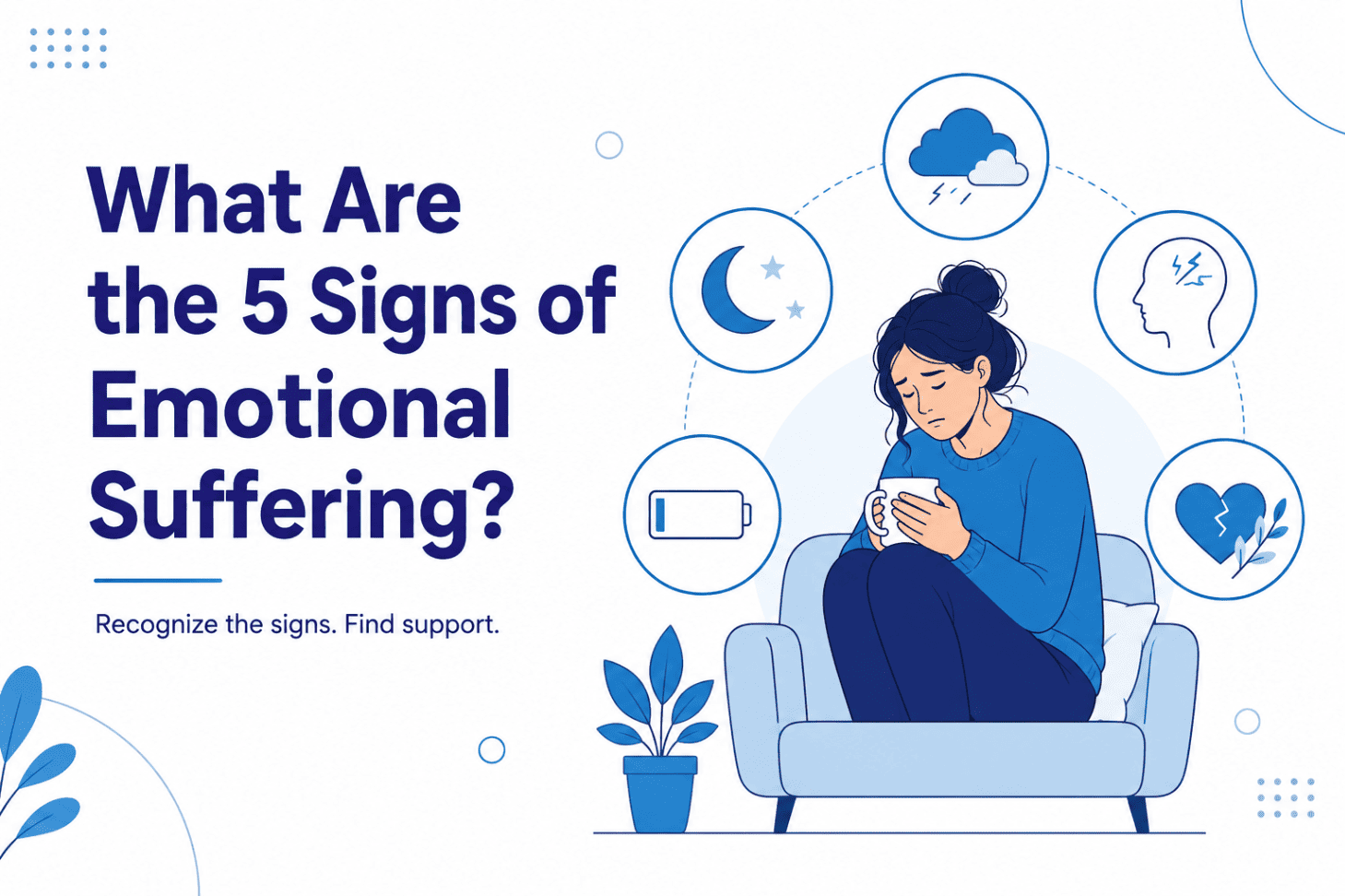
What Are the 5 Signs of Emotional Suffering?
Key Highlights
- Emotional suffering can affect your thoughts, emotions, behavior, and physical well-being.
- The five warning signs include withdrawal, personality change, agitation, poor self-care, and hopelessness.
- Recognizing these signs early can help you or a loved one seek support before emotional struggles worsen.
- Emotional suffering may also be accompanied by physical symptoms such as fatigue, headaches, sleep changes, and appetite changes.
- Seeking professional help is a sign of strength, and early support can make a meaningful difference.
Emotional suffering isn’t always loud or obvious. It often begins with small changes that are easy to dismiss, such as a loved one who suddenly pulls away, a friend who seems unusually irritable, or a family member who no longer takes an interest in things they once enjoyed. These changes may seem temporary, but they can sometimes point to a deeper emotional struggle.
One of the biggest challenges is that emotional suffering doesn’t look the same for everyone. Some people openly express their feelings, while others hide them behind a smile or continue with their daily routines. Without recognizing the warning signs, it’s easy to mistake emotional distress for stress, tiredness, or simply having a bad day.
Learning to recognize these signs is an important step toward breaking the stigma surrounding mental health. Whether you’re concerned about someone close to you or wondering about your own emotional well-being, understanding the five signs of emotional suffering can help you respond with greater awareness, compassion, and confidence.
Why Mental Health Deserves Greater Attention?
I believe that the mind makes us who we are as individuals, and the body keeps us going. Yes, the mind is what it is due to neurological components, brain chemistry, and many other things scientists don’t even understand yet, but nonetheless, it is the mind that makes each individual unique. For this reason, among many others, mental health and resilience are extremely important. Unfortunately, attention and proper care are lacking in this country.
Michelle Obama Takes a Stand for Mental Health
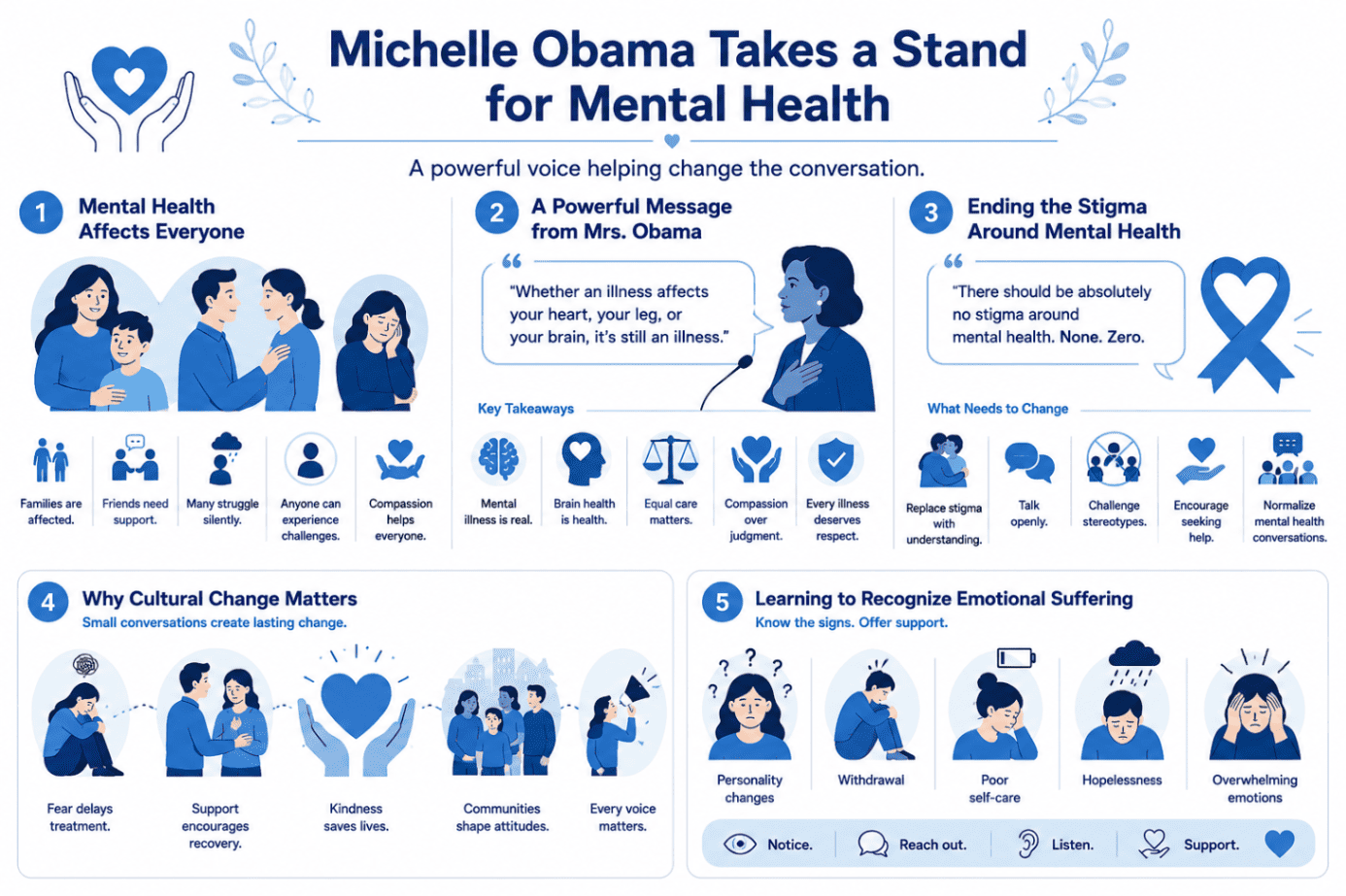
Finally, a prominent and powerful figure has taken a stance and decided to make an important difference in society on this matter: First Lady Obama has initiated new efforts to improve mental health among Americans.
1. Mental Health Affects Everyone
As a committed activist, I’ve said it many times before, and I will say it again: mental health affects us all in one way or another. Whether a family member suffers from an illness, you know a friend going through a difficult time, you personally struggle in silence with things going on internally that you don’t understand, or even just hearing about the tragic stories of suicide and mass shootings, we can all relate to the health topic and benefit from better mental health care.
2. A Powerful Message from Mrs. Obama
At the launch of the Campaign to Change Direction, Mrs. Obama said,
“Whether an illness affects your heart, your leg, or your brain, it’s still an illness. It shouldn’t be treated differently.”
I absolutely couldn’t have said it any better. That’s the way it should be, but society doesn’t treat illnesses of the mind the same way as heart disease or kidney failure. Think about it; would your friends react the same way to a diagnosis of cancer as if you told them you were diagnosed with schizophrenia? Probably not, though both diseases are serious and scary to live with.
3. Ending the Stigma Around Mental Health
“There should be absolutely no stigma around mental health. None. Zero.”
The First Lady is correct. That should be reality, but it is not right now. So what are we as a culture, as a people devoted to living healthy and happy lives, going to do to change that?
The process is going to be long and challenging, but the First Lady is making a huge impact just by speaking out. I commend her for using her popularity and position of power to show everyone that having a psychological disorder is not a matter of “crazy” people, or something that anyone should be ashamed of. She has started the process of normalizing mental illness simply by talking about it.
4. Why Cultural Change Matters
That’s the first step of the cultural shift that needs to happen. So many live in anguish with their illness because they’re afraid to seek help, due to the way society views the mentally ill. Death is often a resort for those who do not receive any kind of help. Can we really live without guilt, knowing that our stereotyping and negative views are ultimately leading to suicides?
5. Learning to Recognize Emotional Suffering
The campaign Mrs. Obama is backing stresses the importance of everyone learning and spreading awareness of the five signs of emotional suffering, which can indicate a person needing help. I encourage all individuals to take heed of the following information!
What Is Emotional Suffering?
Emotional suffering is more than feeling stressed after a difficult day or disappointed by a setback. It refers to emotional pain that begins affecting how you think, feel, behave, or connect with others. Cognitive Behavioral Therapy (CBT) can be an effective approach to address this emotional pain. It can develop gradually, making it easy to overlook until the signs of emotional suffering start interfering with daily life. Recognizing these changes early can make it easier to seek support and begin healing before things become more overwhelming.
Why Do People Experience Emotional Suffering?
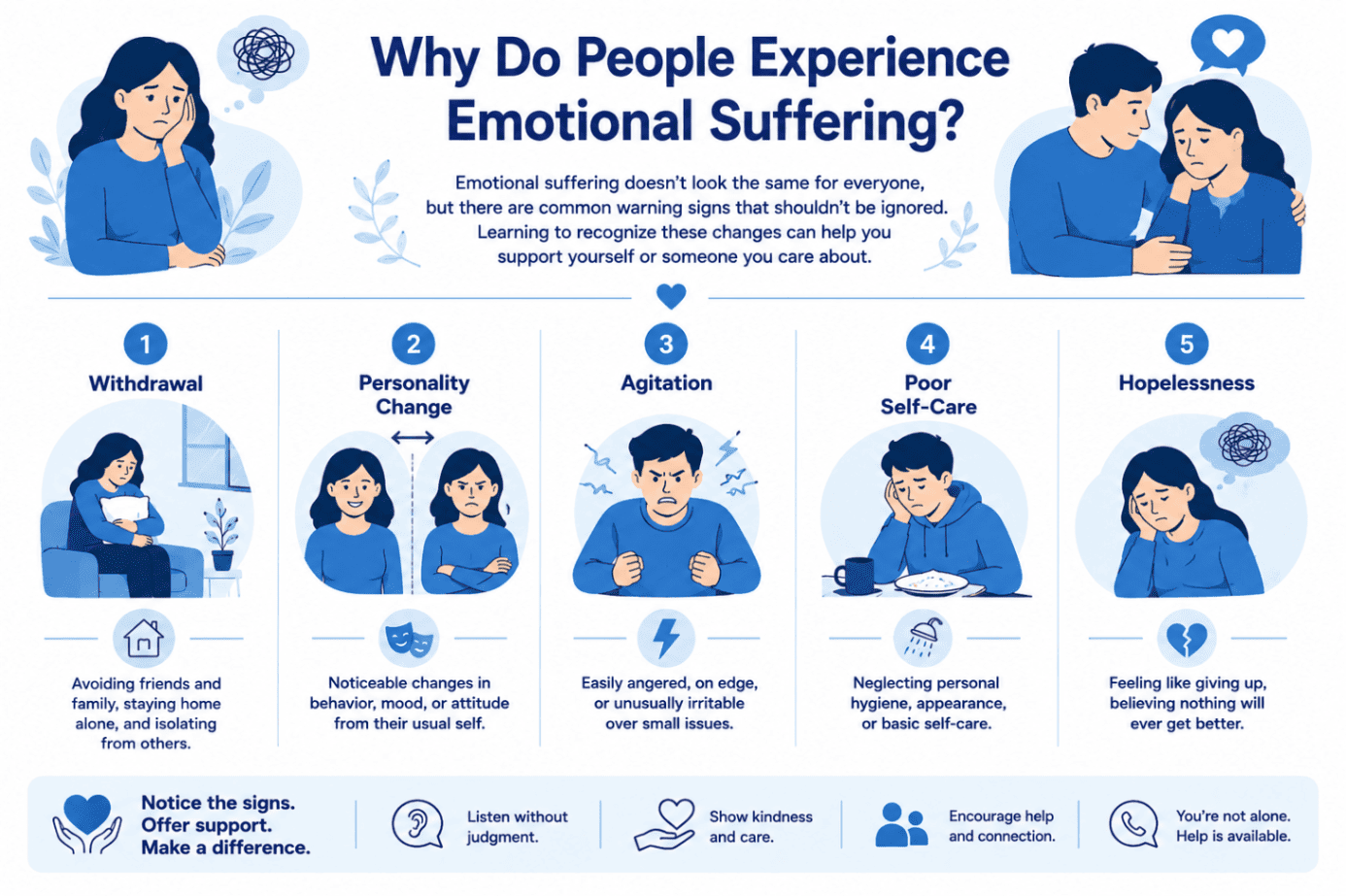
Emotional suffering doesn’t look the same for everyone, but there are common warning signs that shouldn’t be ignored. Learning to recognize these changes in emotional state can help you support someone who may be struggling or encourage you to seek help if you notice them in yourself.
- Withdrawal: No longer spending time with friends, staying at home alone most of the time, or not talking to family members are all expressions of this symptom.
- Personality Change: One of the most noticeable signs of emotional suffering is a change in someone’s usual behavior or attitude. A person who is normally outgoing may become withdrawn, while someone who is typically calm may become unusually irritable or anxious.
- Agitation: This sign can manifest as becoming angry over small issues that one normally wouldn’t react to or always seeming to be on edge. Persistent irritability may indicate that someone is struggling emotionally.
- Poor Self-Care: This can be characterized by an individual no longer caring about their appearance, letting days go by without showering, or showing an unusual disregard for personal hygiene.
- Hopelessness: Expressing thoughts of giving up on a job, a goal, or even life itself should always be taken seriously. Feelings that nothing matters or that things will never improve can be warning signs of emotional suffering.
When Should These Signs Concern You?
Everyone experiences stress, sadness, or frustration from time to time. However, if several of these signs of emotional suffering last for weeks, become more intense, or begin affecting daily life, relationships, work, or school, it’s important to take them seriously. Engaging in hobbies or reaching out for support early can make a meaningful difference and help prevent emotional struggles from becoming more difficult to manage.
42.5 million Americans, 1 in 5 adults, live with a diagnosable mental disorder every year (NIMH). Think about that the next time someone says that mental health “isn’t a thing” or isn’t a big deal. Such a widespread problem of mental health and physical health should be treated as an epidemic. That’s what we have on our hands, but such illnesses are of the invisible kind, striking potently and dangerously in ways that go unnoticed by others, only causing more distress for the victims.
In the words of our courageous and change-instigating First Lady, “Getting help is not a sign of weakness. It’s a sign of strength.” If you would like to get help for yourself or someone you know, consider Dallas Anxiety Counseling Services.
How Can You Support Someone Showing These Signs?
If you notice these signs in someone you care about, don’t ignore them or assume they’ll simply go away. Start by checking in with compassion, being a good listener, and letting them know they don’t have to face their struggles alone. Encourage them to seek professional help if their symptoms persist or worsen. Sometimes, a simple conversation and the reassurance that someone cares can be the first step toward healing.
Could Physical Symptoms Also Signal Emotional Suffering?
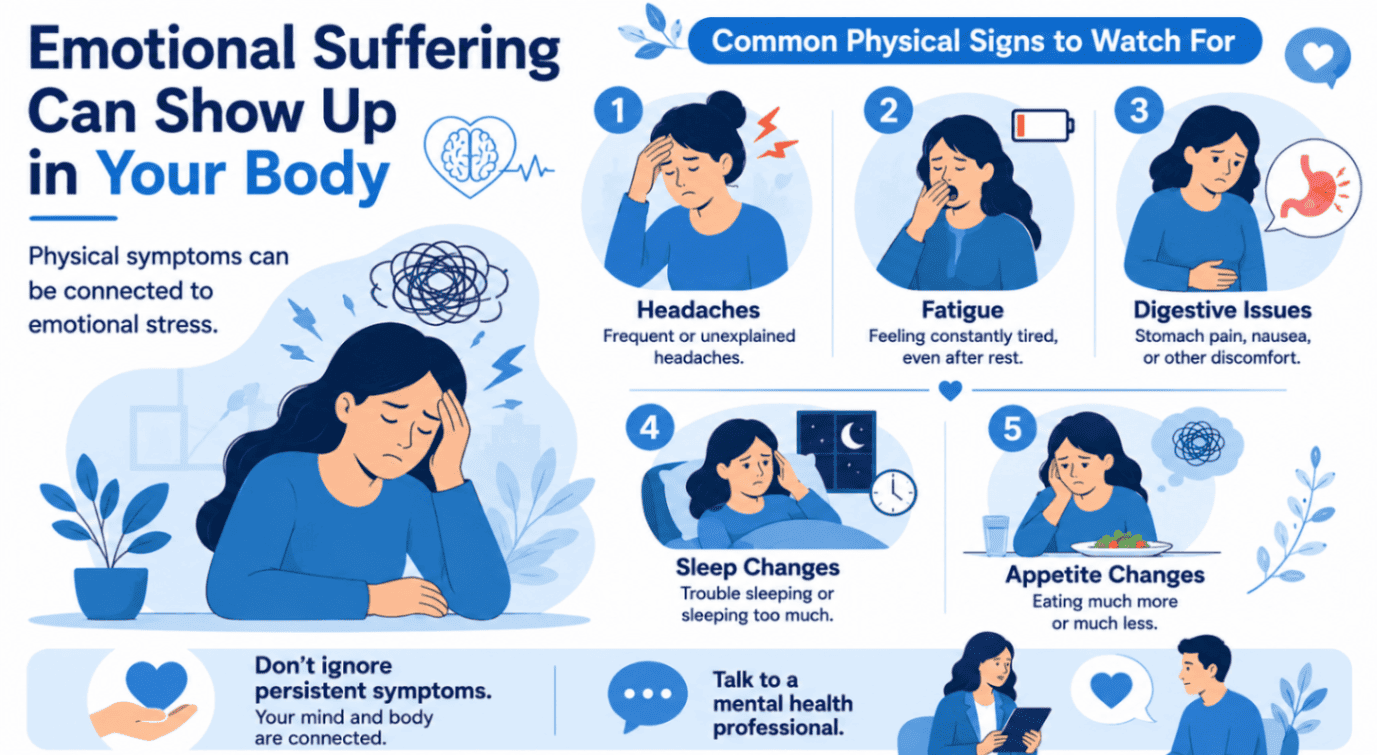
Emotional suffering doesn’t only affect your thoughts and feelings; it can also show up through physical symptoms. While these signs can have many causes, experiencing them alongside emotional distress may indicate that it’s time to pay closer attention to your mental well-being.
- Headaches: Frequent or unexplained headaches may be linked to ongoing emotional stress.
- Fatigue: Feeling constantly tired, even after adequate rest, can be a sign of emotional exhaustion.
- Digestive Issues: Stress and emotional distress may contribute to stomach pain, nausea, or other digestive discomfort.
- Sleep Changes: Trouble falling asleep, staying asleep, or sleeping much more than usual can signal emotional struggles.
- Appetite Changes: A noticeable increase or decrease in appetite may occur during periods of emotional suffering.
If these physical symptoms persist or occur alongside the five signs of emotional suffering, consider speaking with a mental health professional.
How Is Emotional Suffering Different From Stress or Burnout?
Everyone experiences stress, and many people go through periods of burnout or emotional exhaustion. These feelings often improve once the source of stress is reduced or resolved. Emotional suffering, however, is usually more persistent and can affect your thoughts, relationships, and daily life.
While emotional stress symptoms and emotional fatigue symptoms may include feeling overwhelmed or mentally drained, emotional suffering is more likely to involve ongoing withdrawal, personality changes, poor self-care, agitation, or hopelessness. If these symptoms continue despite rest or lifestyle changes, seeking professional support can help you understand what’s contributing to your emotional well-being.
What Should You Do If You Recognize These Signs in Yourself?
If you’ve noticed several of these signs in yourself, remember that you’re not alone and help is available. Taking small, positive steps early can make a meaningful difference in your emotional well-being.
- Talk to someone you trust: Share how you’re feeling with a friend, family member, or someone you feel comfortable with.
- Maintain healthy routines: Prioritize regular sleep, balanced meals, physical activity, and relaxation.
- Seek professional support: A licensed mental health professional can help you understand your feelings and develop healthy coping strategies.
- Avoid isolating yourself: Staying connected with supportive people can help reduce feelings of loneliness and hopelessness.
- Get immediate help in a crisis: If you’re having thoughts of harming yourself or feel you’re in immediate danger, contact your local emergency services or a crisis support service right away.
Recognizing these signs is the first step, but reaching out for support can be the beginning of healing and a healthier future.
Call for a Complimentary 15 Minute Phone Consultation
Se Habla Español: We have Portuguese and Spanish speaking counselors as well.

When Should You Seek Professional Support?
If emotional suffering has lasted for several weeks, is becoming more intense, or is affecting your relationships, work, school, or daily responsibilities, it may be time to speak with a mental health professional. You don’t have to wait until things feel unbearable to ask for help, early support can make it easier to understand what you’re experiencing and develop healthier ways to cope.
How Total Life Counseling Can Help
At Total Life Counseling, our licensed therapists provide compassionate, evidence-based care for individuals experiencing emotional distress, anxiety, depression, trauma, relationship challenges, and other mental health concerns. We work with you to understand the root of your struggles, build practical coping strategies, and create a personalized treatment plan that supports your long-term emotional well-being.
Whether you’re noticing these signs in yourself or are concerned about someone you care about, seeking professional guidance can be an important step toward feeling better. Contact Total Life Counseling to connect with a therapist who can help you move forward with confidence and support.
NOTE: Freely redistribute this resource, electronically or in print, provided you leave the authors’ names, credentials, and contact information below intact and include a link to this article. Additionally, remember that this article addresses various stressors affecting individuals today.
AUTHOR: Jada Jackson, MS, LMHC – Communicator, Coach & Licensed Mental Health Counselor working with couples, teens, young adults, and women empowerment issues in Dallas, Texas! If you are struggling with depression or anxiety, consider Dallas Anxiety Counseling Services. You can contact Jada Jackson for Dallas Anxiety Therapy Services at (469) 757-5215.
AUTHOR: Emily Simpson (Intern)
References: First Lady Speaks Up
Licensed Counselors & Therapists
Meet Our Team of Certified & Experienced Professionals
Total Life Counseling Center consists of Licensed Counselors, Masters Level Therapists, Espanol Counselors, Licensed Mental Health Counselors, Business Coaches, Image Enhancement Coaches who provide counseling for emotional, mental, physical and spiritual care including marriage, individual, family, substance abuse and more. Our team of certified and experienced professionals, dedicated to serving a comprehensive spectrum of mental health and relationship issues such as couples, women and men’s issues, children and teens with oppositional defiance, video game addiction, ADHD, ASD, anxiety, depression, and trauma survivors, is here to support and guide you through your journey towards healing and navigating life transitions. This approach not only enhances the effectiveness of the counseling provided but also builds trust within the community and among potential clients, who may be seeking support.
We offer next level counselors specialized in areas such as relationships, video game & drug/alcohol addictions, abuse, trauma, depression, and ADHD. Our Therapists are EMDR (eye movement desensitization) trauma therapy trained, cognitive behavioral therapy, specialize in ADHD and Oppositional Defiant Children, and are also professional Gottman method marriage couples counselors to give the best results to couples and to provide the best comprehensive spectrum of mental health and relationship care for our clients.
Struggling with Anger? We offer 8 hour anger management group therapy!
Discounted Rates and the president of Total Life Counseling Center Jim West does not want to turn people away and we have counselors at various levels of experience at a discounted rate that are trained by our next level counselors!
Jim West
MA, LICENSED MENTAL HEALTH COUNSELOR, national certified counselor
President, Counselor, Guest Speaker, Author, Social Skills, ADHD, ODD, ASD, children, teens, and more!

Dana West
MSW, Licensed clinical social worker
Vice President, Counselor, Guest Speaker, Addictions, Trauma, Couples, Abuse, and more!

Mathew Martin
MS, LICENSED MENTAL HEALTH COUNSELOR
Counselor, Coach, Guest Speaker, Marriage, Individual Males, Substance Abuse and more!
Brandon Feinberg
MS, LICENSED MENTAL HEALTH COUNSELOR
Male Counselor, Licensed Mental Health Counselor specializing in ADHD, Asperger Syndrome, Autism Spectrum Disorders, and more!

Lyris Steuber
MS, licesned marriage & family therapist
Counselor, Coach, Marriage & Family, Play Therapy, Divorce, Adolescent and more!

Valerie Ware
Licensed Psychologist and Behavioral Specialist
Psychological Evaluator, Autism, ADHD, Learning Disabilities, Anxiety, Gifted, Career Pathways, and emotional assessments.

Gemima McMahon
MA, LICENSED MENTAL HEALTH COUNSELOR
Licensed Mental Health Counselor specializing in Women’s issues, Trauma, Anxiety, Depression, Cutting, Couples, Children and Teenagers and more!

Audrey DeBruler
MS, LMHC, Licensed Mental Health Counselor
Children, Adolescents, Young Adults, Faith Based Counseling, Trauma Recovery, Anxiety and more!

David Duany
MA, LICENSED MENTAL HEALTH COUNSELOR
Licensed Mental Health Counselor specializing in ADHD, Social Skills, and Anger Management counseling for children, young adults, and families.

Katherine Waldheim
MS, Registered Mental Health Counseling Intern
Trauma, anxiety, couples counseling, and child & adolescent counseling services and more!

Sarah Dornas Albuquerque
MS – Registered Mental Health Counselor Intern
EMDR, Anxiety, Depression, Children, Teens, Young Adults, English, Spanish and Portugues and Adult Counseling

Frequently Asked Questions
How are emotional suffering and emotional exhaustion related?
Emotional exhaustion can be both a cause and a symptom of emotional suffering. When stress becomes overwhelming and persists over time, it may contribute to emotional suffering and many of its warning signs, leading some to consider treatments such as antidepressants.
What Are Emotional Fatigue Symptoms?
Emotional fatigue symptoms often include feeling mentally drained, lacking motivation, becoming easily frustrated, and struggling to enjoy activities you once found meaningful.
Are the Five Signs of Emotional Suffering the Same for Adults and Children?
The five signs of chronic stress can appear in both adults and children, but they may look different. Children are more likely to express emotional suffering through changes in behavior, mood, school performance, or social interactions rather than clearly talking about how they feel.
What Are Emotional Stress Symptoms?
Emotional stress symptoms can include irritability, anxiety, difficulty sleeping, trouble concentrating, and feeling overwhelmed. Long-term stress may affect both emotional and physical well-being.
What Resources Are Available for Learning More About the Signs of Emotional Distress?
Trusted organizations such as the National Institute of Mental Health (NIMH), Mental Health America (MHA), and the 988 Suicide & Crisis Lifeline offer reliable information about the signs of emotional distress, mental health conditions, and where to find support, including a helpline for yourself or someone you care about.
What Are the 5 Signs of Emotional Suffering?
The five signs are withdrawal, personality change, agitation, poor self-care, and hopelessness. Recognizing these warning signs early can help someone get the support they need.
What Are the Signs You Are Suffering From Emotional Exhaustion?
Common signs include constant fatigue, feeling overwhelmed, difficulty concentrating, irritability, and losing motivation. If these feelings persist, consider speaking with a mental health professional.
What Are Common Emotional Breakdown Symptoms?
Emotional breakdown symptoms may include intense sadness, anxiety, emotional outbursts, difficulty coping with daily life, or feeling unable to function. Professional support can help you recover.
What Are Emotional Tension Symptoms?
Emotional tension symptoms may include restlessness, muscle tightness, irritability, racing thoughts, and difficulty relaxing. Managing stress early can help prevent these symptoms from worsening.
Filed in: Adults, Blog, Dallas Texas Counseling, Depression, Grief, Jada Jackson, Mentally Disabled, Updates, Womens Issues
Share This Story, Choose Your Platform!
Total Life Counseling Center consists of Licensed Counselors, masters level therapists, Español counselors, Licensed Mental Health Counselors, business coaches, and image enhancement coaches who provide counseling for emotional, mental, physical and spiritual care including marriage, individual, family, substance abuse and more. TLC’s family, trauma and marriage experts have been interviewed on National and Local TV/Radio over 200 times for their expert advice on Fox News, OWN, WETV, ABC’s Medical Minute and more. Our skilled counselors are relational, approachable and specialists providing therapy services in the Central Florida area including: Orlando, Winter Park, MetroWest, Windermere, Dr. Phillips, East Orlando, Lake Mary, and Clermont, Boca Raton Florida, and Dallas, TX.
About the Author: Jada Jackson